Media Matters
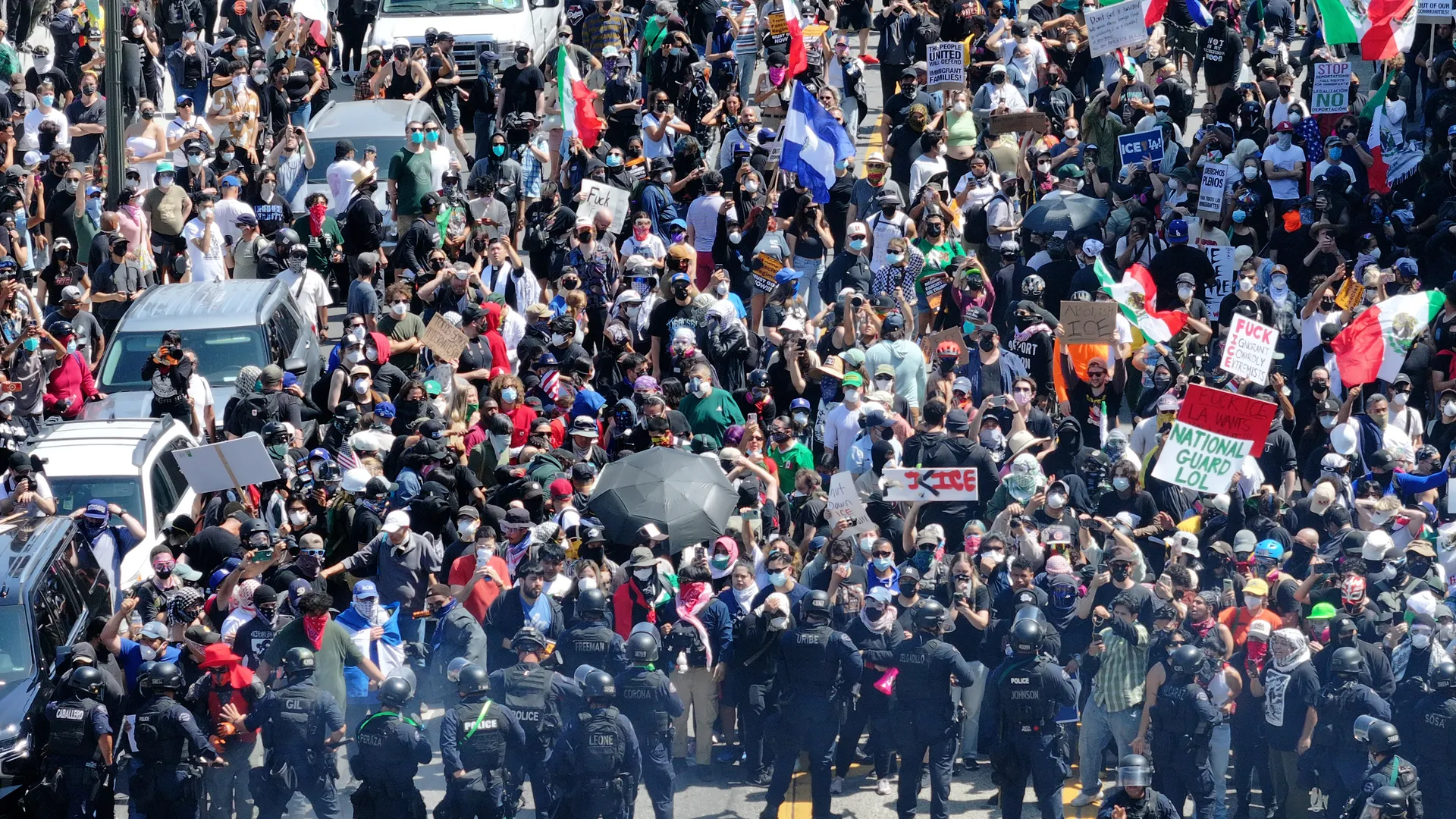
With the rise of social media in addition to the fact that almost everyone is carrying a camera device in the pocket (cell phone) the question arises: What impact is social media having on the world of policing?
As your course book points out, some people argue that the increased scrutiny of police officers is a positive development. And one, quite frankly, that is long overdue. In many respects, the result is better law enforcement and support for civil rights, as officers are now more accountable to the public for their behavior.
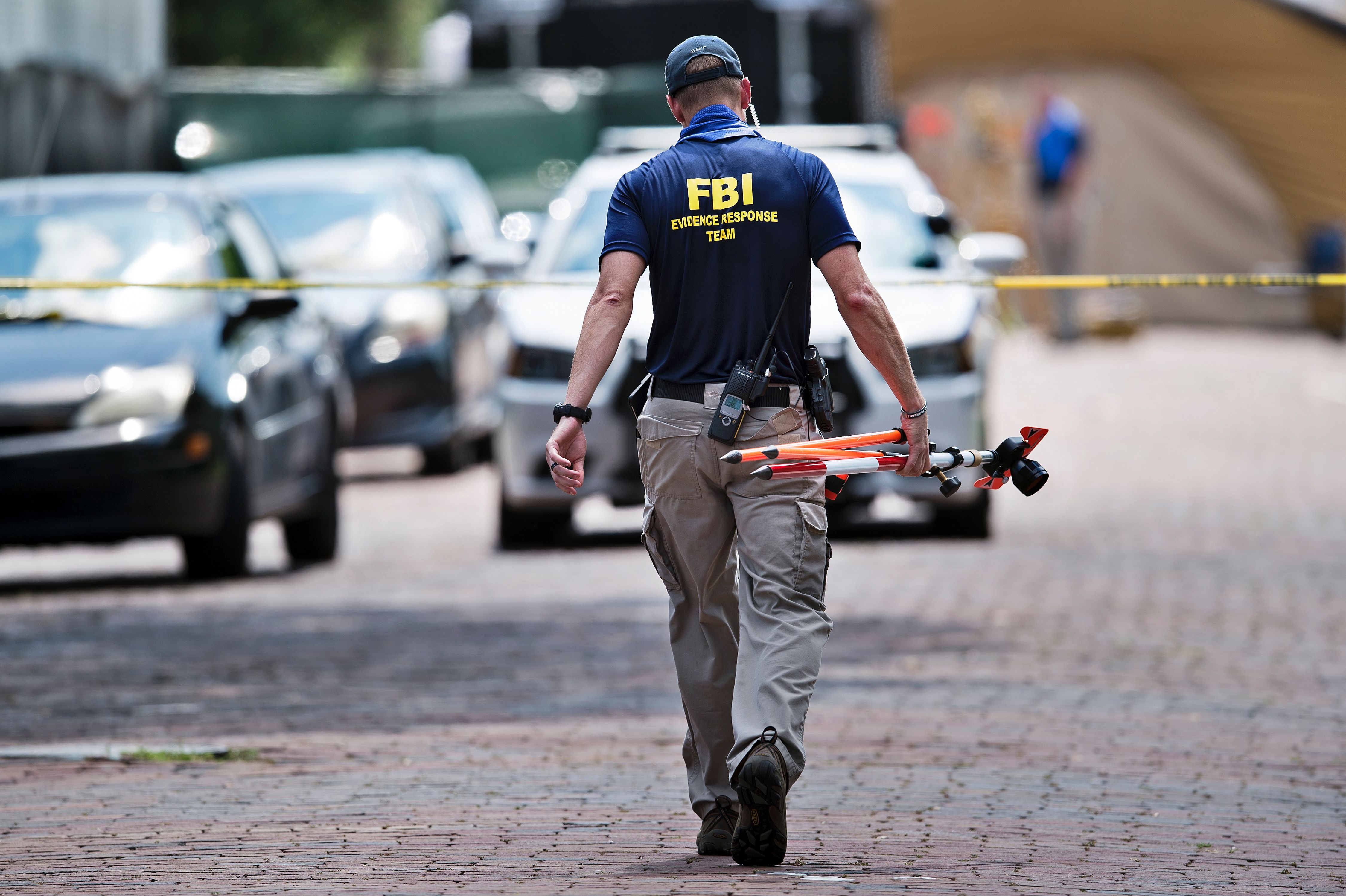
Others argue, like the former FBI Director, James Comey, that this scrutiny is potentially having the effect of increasing crime. Officers are worried about being filmed and thus avoid confrontations with the public. This, he says, sends the wrong message to criminals. When the police retreat, crime steps in to fill the void.
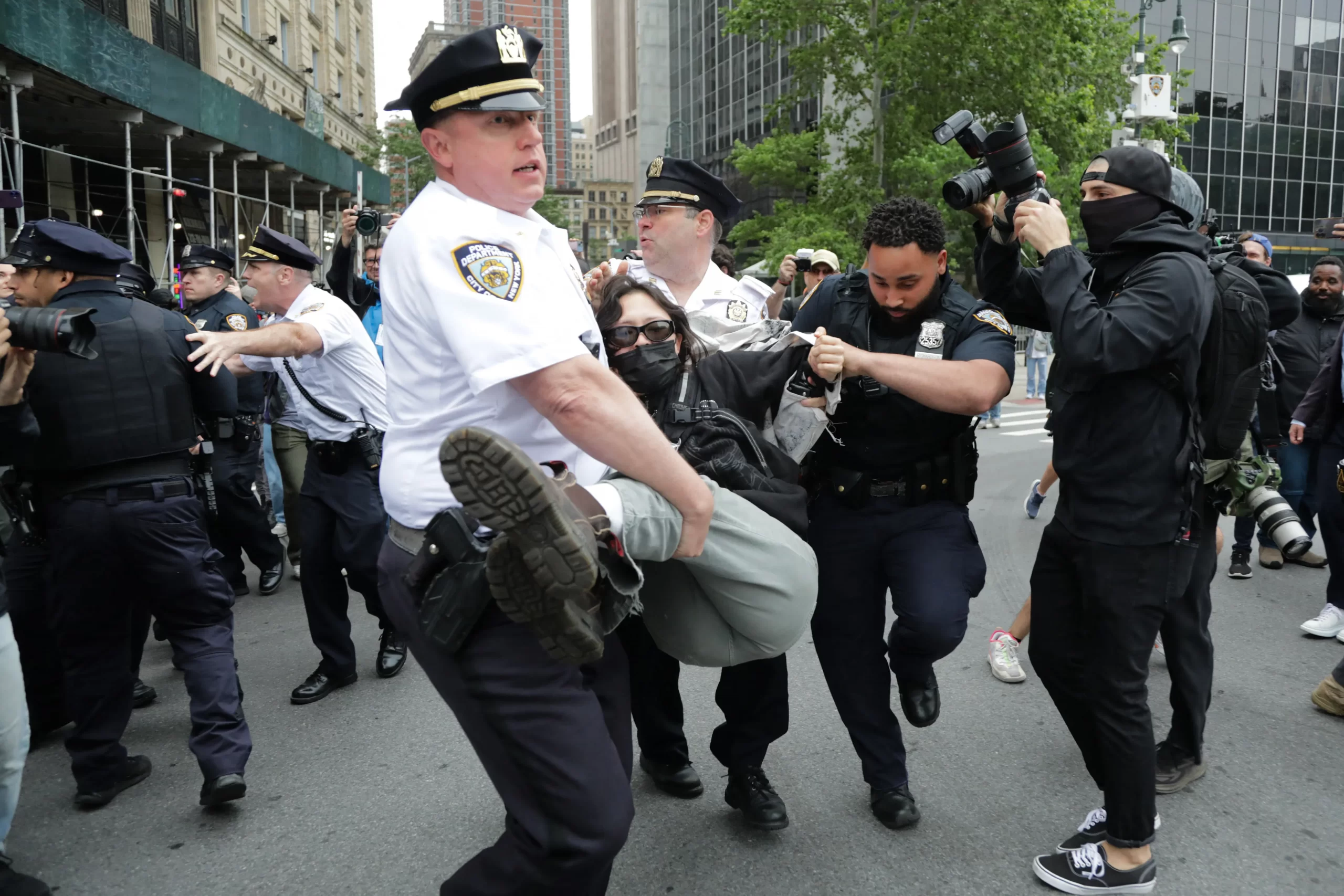
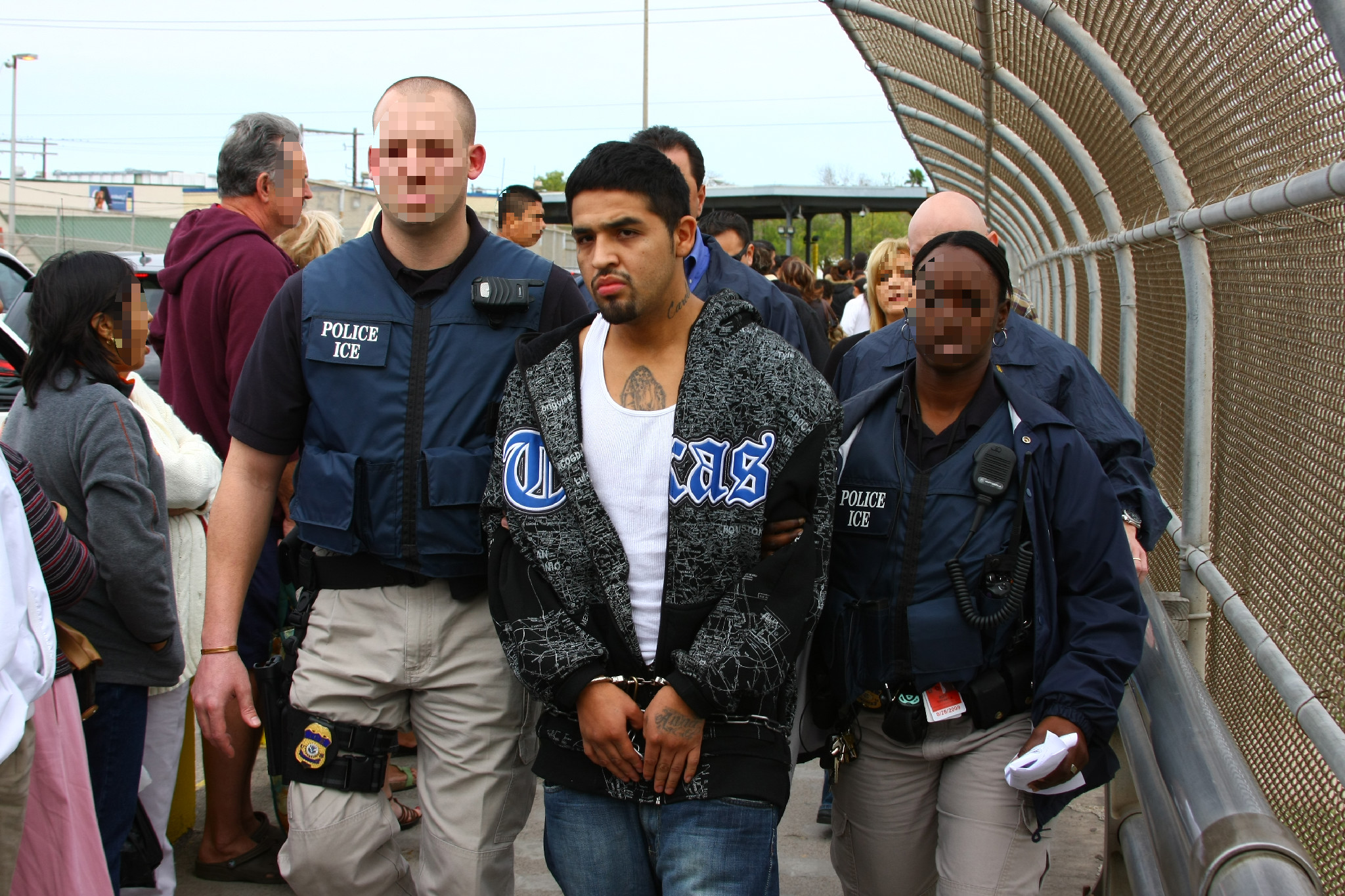
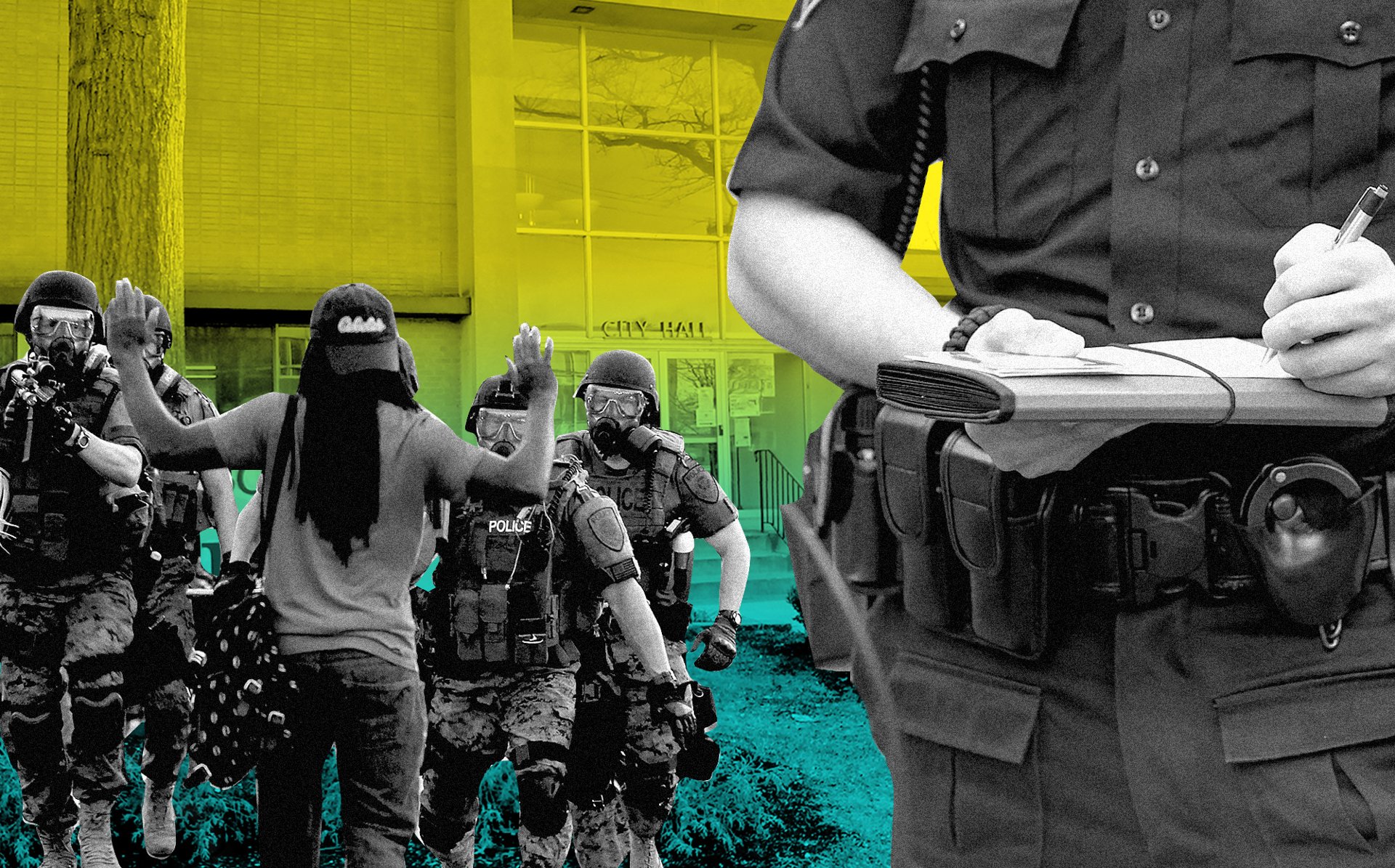
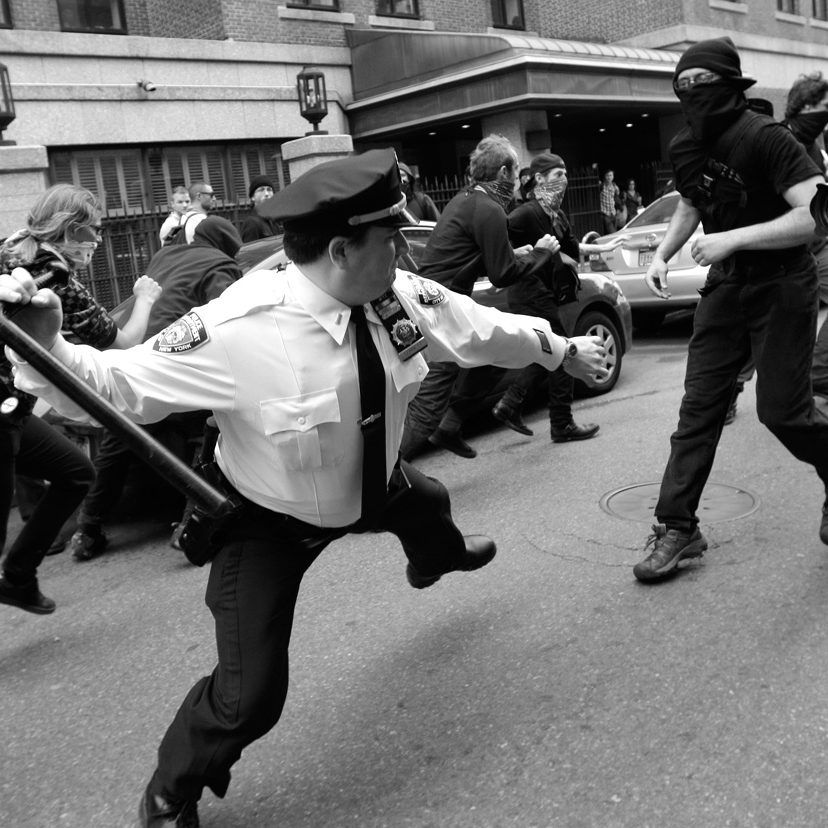
A protester is arrested during an “ICE Out of NYC” protest in New York City on June 9. Photo: Leonardo Munoz/AFP via Getty Images
Social Media as a Tool to Build Relationships
When the FBI Director takes such an oppositional stance to the developing media landscape, opportunities to fight crime can be missed. More recently, there are calls to moderate this view, as social media can be understood to be a tool that law enforcement agencies might leverage to reach more people than ever before.
Customarily, the mission of the police is stated as one focused on “to serve and protect.” Police departments are further required to have a deep understanding of their community — one that includes the “digital town square,” which encompasses platforms like X (formerly Twitter), Facebook, and Instagram. Given this, there may be new opportunities for agencies to connect with wider audiences and forge strong relationships with the public through messaging and education. The question is though, how can law enforcement find ways to get beyond screen names and anonymity to connect in ways that will resonate? How can they improve communication and, in the process, become better crime fighters?
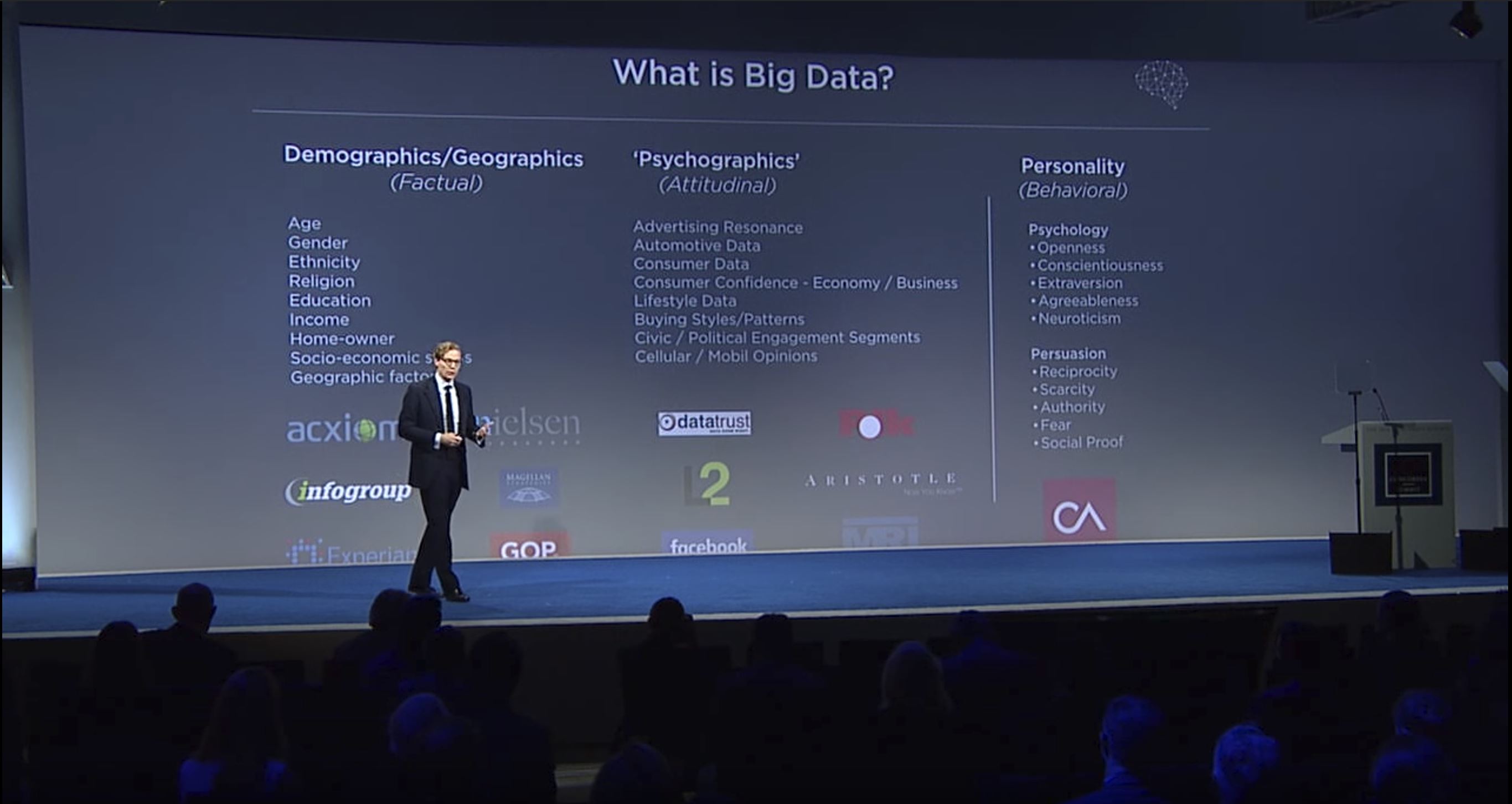
Implementing techniques like researching an audience’s demographic and psychographic characteristics can help agency communicators craft higher impact messages that can fundamentally shift the reception of a post from “listening to someone shout into a crowd with a megaphone” to “information meant just for me.” (Mendoza, 2024). Ultimately, learning how to target an audience to develop insights to create better messaging is a skill that should be cultivated, as this can transform the social media landscape from a simple tool used to share announcements, post cat pictures, and other memes, to one that is a critical asset that be used to build and strengthen community relationships.
Reflection & Discussion
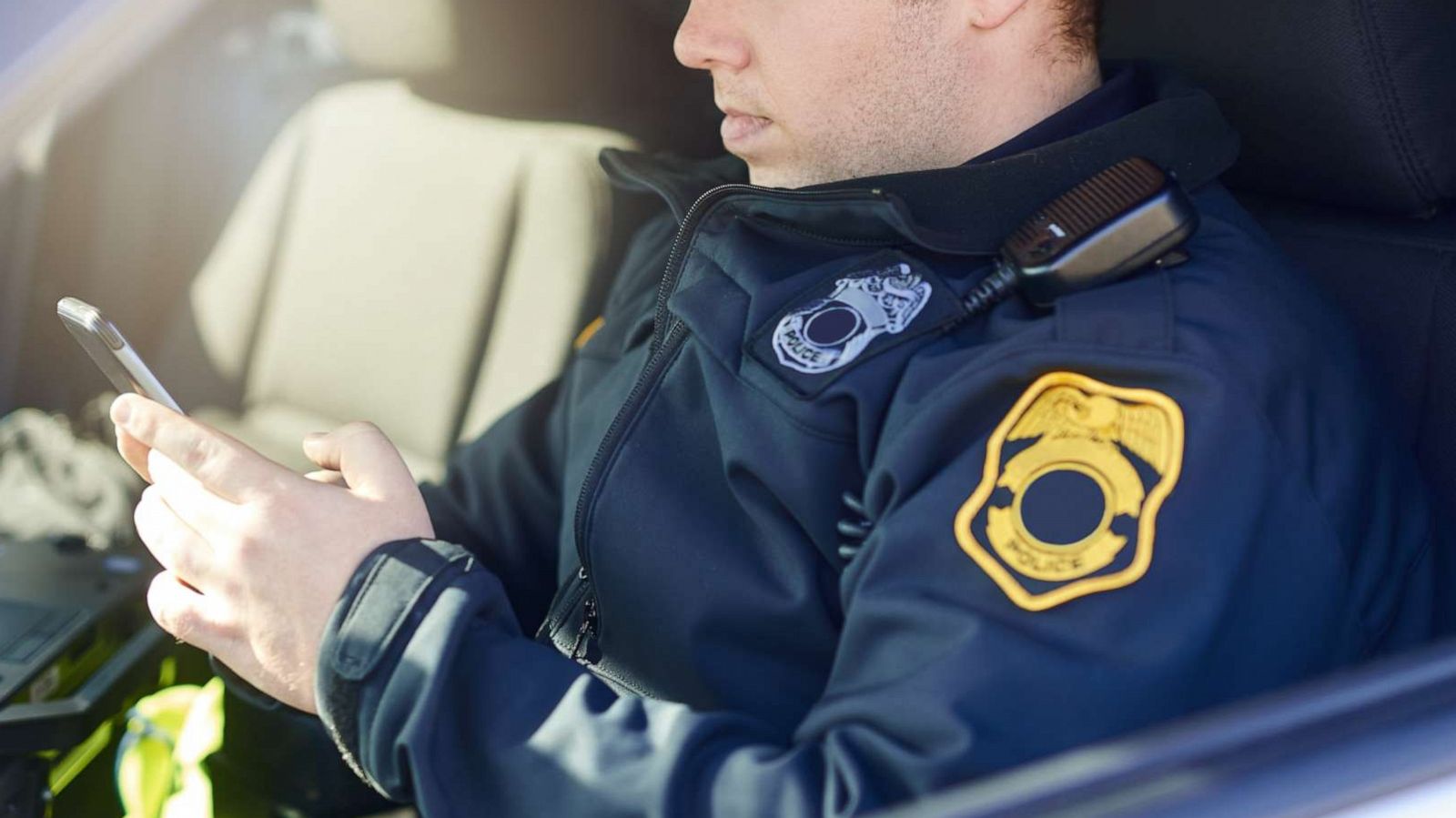
What do you think about these developments? Do you think social media helps or harms the police? Does it make them more accountable to the public? Or does it increase crime?
Sources
Social Media Spotlight: A Tool for Relationship Building, by Marin Rulas Mendoza, 2024