Dr. Sandra Trappen

  • Home
  • Curriculum Vitae
  • Publications
  • Current Research
  • Talks & Paper Presentations
  • Contact
  • Policing
  • Juvenile Justice
  • Current Social Theory
  • Organized Crime
  • Criminology
  • Race & Ethnicity
  • Race, Crime & Justice
  • PSU Study Abroad
    • PSU Study Abroad

Organized Crime

Course Description:  Organized Crime - what is it? How do we distinguish organized crime from other types of crime? If it's not street crime, terrorism, or white collar crime, what is it? This course examines the relationship between criminological and justice theories regarding organized crime. In addition to this, we will examine how organized crime is portrayed in American culture, as evidenced through film and popular media. The course follows two simultaneous threads of inquiry: an examination of historical and theoretical models of organized crime in the United States and the state and federal laws that address them; and an analysis of how such models are depicted in American film and popular media.

Organized Crime: What Is It?

Comment

Defining Organized Crime

There’s a great deal of discussion about what organized crime is and isn’t. A quick review of the literature, however, reveals that determining what it is precisely is more difficult than one might imagine. How ever you decide to label it, one thing is certain: the fictionalized Hollywood fantasy of organized crime is far from the truth. The reality is far more complex.

Organizations are increasingly fluid and they cooperate across borders, national as well as international. Illegal goods and services constitute a major area of focus for criminal activity, however, criminal organizations will move in and operate wherever there is money to be made. The bottom line is that these increasingly elusive organizations are making billions and perhaps trillions of dollars every year.

Every year, countless lives are lost as a result of organized crime. Drug-related health problems and violence, firearm deaths, and the unscrupulous methods and motives of human traffickers, credit card fraudsters, and migrant smugglers are all a part of this.

Basic Characteristics of Organized Crime

Devoid of Political Goals

Hierarchical

Limited/Exclusive Membership

Unique Subculture

Perpetuates Itself

Willing to Use Illegal Violence

Monopolistic

Governed by Explicit Rules and Regulations
Transnational Organized Crime

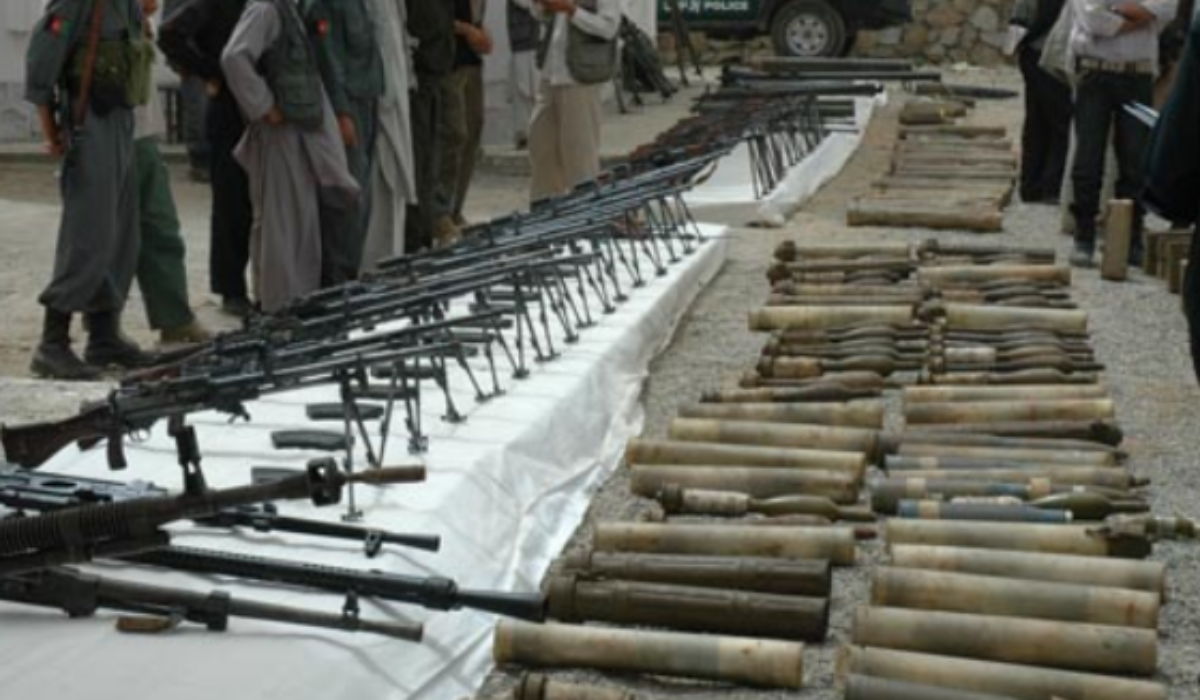
Transnational organized crime is a widespread global security problem. That fact that it operates so deep in the shadows means that it is often overlooked. As our world continues to become increasingly more globalized, opportunities for transnational organized crime have increased and have become more integrated into the global political economy.

Transnational criminal organizations are defined as groups of individuals who wish to achieve gains in power, influence, or money through illegal means. Advancements in technology, travel, international trade and finance, among others have allowed criminal organizations to become more active, more extensive, and more diverse, both within states and across international borders. Transnational organized crime creates detrimental security problems affecting public safety, health, democratic institutions, economic stability, and exacerbating violent conflict. In the summaries below, a few of the most significant activities of transnational organized crime are divided into three areas: drug trafficking, human trafficking, and money laundering. 

Drug Trafficking

Drug cartels have become serious transnational criminal organizations that have been responsible for increases in drug trafficking never seen before. According to the United Nations Office on Drugs and Crime (UNODC), drug trafficking is defined as the global illicit trade involving the cultivation, manufacture, distribution, and sale of illegal drugs such as heroin, cocaine, opium, ecstasy, etc. Drug trafficking has been shown to be correlated with overdose deaths, weak border security, community faults, and distrust between states and their allies. Therefore, organizations like the UNODC, the RAND Corporation, and the Bureau of International Narcotics and Law Enforcement Affairs (INL) have analyzed data and compiled various publications regarding drug trafficking trends in order to find the roots of these drug trades and combat these illicit drug challenges.

Human Trafficking

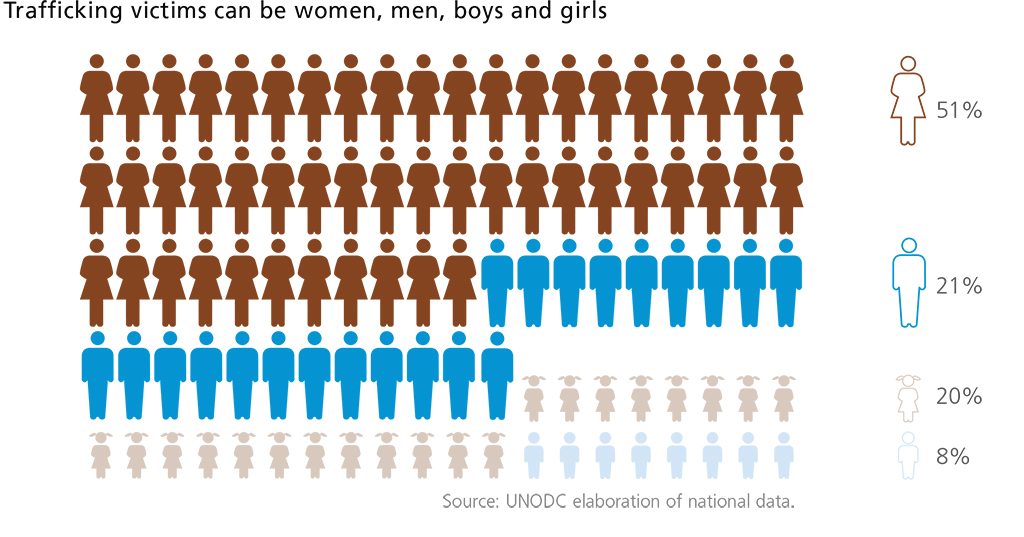
Human trafficking is the transnational organized crime of trading and exploiting human beings for profit, whether it be for sex, entertainment, forced labor, or worse. Victims of human trafficking can range from any age, any gender, and can come from any part of the world. The UNODC’s 2020 Global Report on Trafficking in Persons reported that in 2018, around 50,000 victims of human trafficking were detected within 148 countries. Additionally, human traffickers typically tend to use the threat of force, deception, or coercion to trick their victims into being trafficked. Through spreading awareness and providing education, the UNODC, The Counter Trafficking Data Collaborative (CTDC), and the Office to Monitor and Combat Trafficking in Persons (TIP Office) have created various tools and resources to fight against the threat of human trafficking. 
Money Laundering

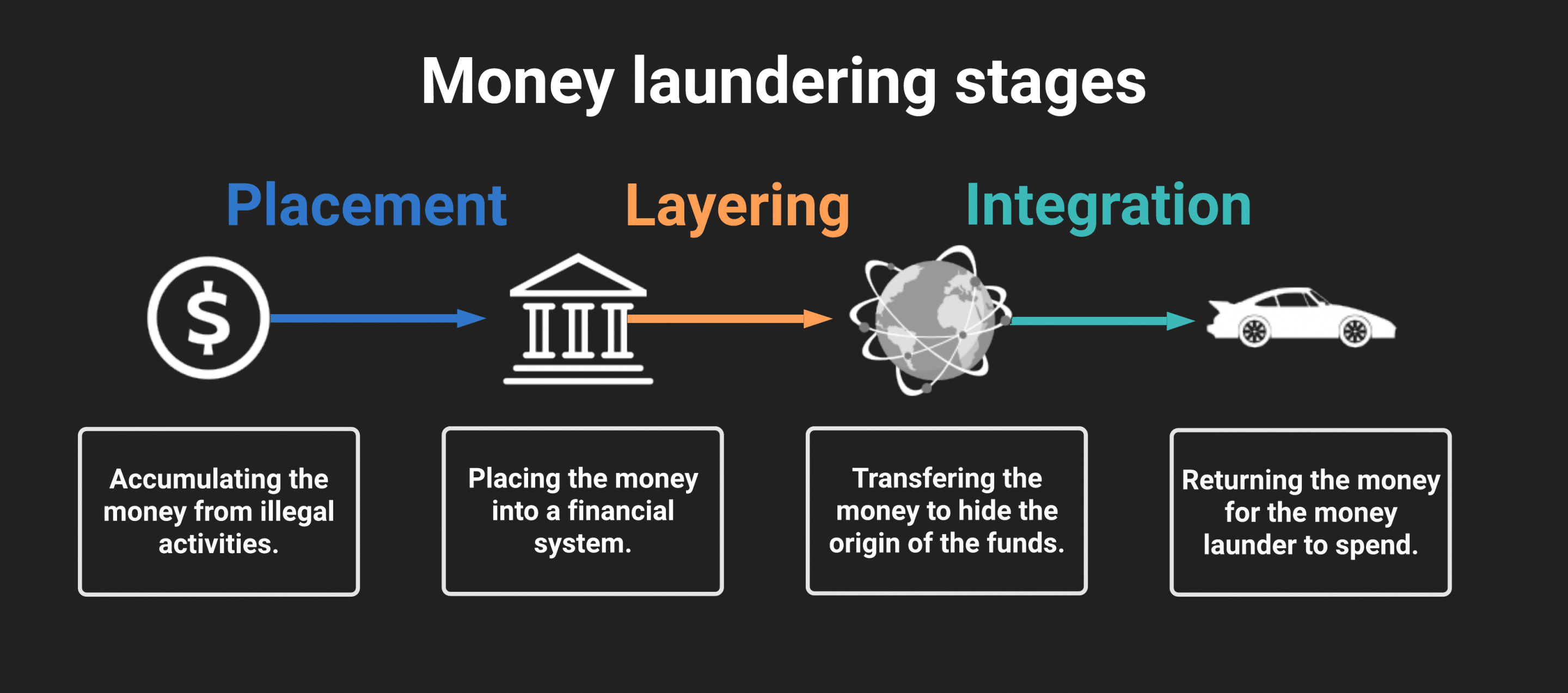
Money laundering is another form of transnational organized crime that has yet to be resolved. Transnational criminal organizations frequently use money laundering to cover up their illicit proceeds by making it appear as if their money was legally obtained. By doing so, transnational criminal groups can enjoy their profits and expand their organizations while remaining undetected from authorities. The UNODC estimates that approximately $2 trillion dollars of these proceeds are laundered every year, many of which are frequently used to fund terrorist organizations. In order to stop funding these transnational criminal organizations, countries need to enforce stricter policies on anti-money laundering, improve their methods in monitoring illicit money trades, raise public awareness, and much more.

For more on this, refer to the United Nations Office on Drugs and Crime (UNODC), RAND Corporation, the Organized Crime and Corruption Reporting Project (OCCRP), the Office to Monitor and Combat Trafficking in Persons (TIP), the Global Initiative against Transnational Organized Crime (GI-TOC), and the Counter-Trafficking Data Collaborative (CTDC), as they have all published information that provide more detail on these illicit finances.  
Course: Organized Crime

The Mafia in New York

1 Comment

The Italian Mafia – Early History

Mafia operations in New York during the 1920s were controlled by Giuseppe “Joe the boss” Masseria. His group of gangsters mainly came from Sicily as well as from the Calabria and Campania regions of Southern Italy. Famous members of this faction included Charles “Lucky” Luciano, Albert (Mad Hatter) Anastasia, Vito Genovese, Alfred Mineo, and Frank Costello.

Late in the 1920’s, a powerful Sicilian mob boss, Don Vito Cascio Ferro, who hailed from Castellammare del Golfo, decided he wanted to take over control of all mafia operations. He sent a representative to New York, Salvatore Maranzano, to launch his takeover bid. Among the New York operatives that he recruited to assist were Joe “Joe Bananas” Bonnano, Stefano “The Undertaker” Magaddino, Joseph Profaci, and Joe Aiello.

Over time, a conflict developed between the “old guard Sicilians” (sometimes called Mustache Petes) and the younger members of the groups (the Young Turks) who were more forward-thinking in terms of how they saw their business developing. This group was led by Lucky Luciano, who wanted to resolve Masseria’s war so that his people could get on with doing business. Put another way, Luciano wanted to eliminate what he felt were unnecessary unorthodox norms in order to modernize the mafia. To do this, a decision was made in early 1931 to take out Masseria. Once Masseria was gone, Maranzano reorganized the Italian American gangs in New York City into the Five Families.

The “Commission” and the Five Families

Over the course of time, Maranzano came to recognize Luciano was a threat. To deal with him, he hired Vincent “Mad Dog” Coll (an Irish gangster) to kill him. Luciano, however, was tipped off to the plan. Consequently, when Maranzano ordered Luciano, Genovese, and Costello to come to a meeting at his office in late 1931, Luciano got into action. To avoid certain death, he sent four unknown Jewish gangsters to the meeting. This help was provided to him by two of his old Jewish mobster friends, Meyer Lansky and Bugsy Siegel. The assassination of Maranzano that day is now referred to as the “Night of the Sicilian Vespers.”

After Maranzano’s murder in 1931, Lucky Luciano organized a meeting in Chicago. Rather than setting himself up as the “capo” of the new organization, he established “the Commission,” which operated like a board of directors, made up of five families, who would oversee Mafia activities in the U.S. They also helped to mediate conflicts between the families.

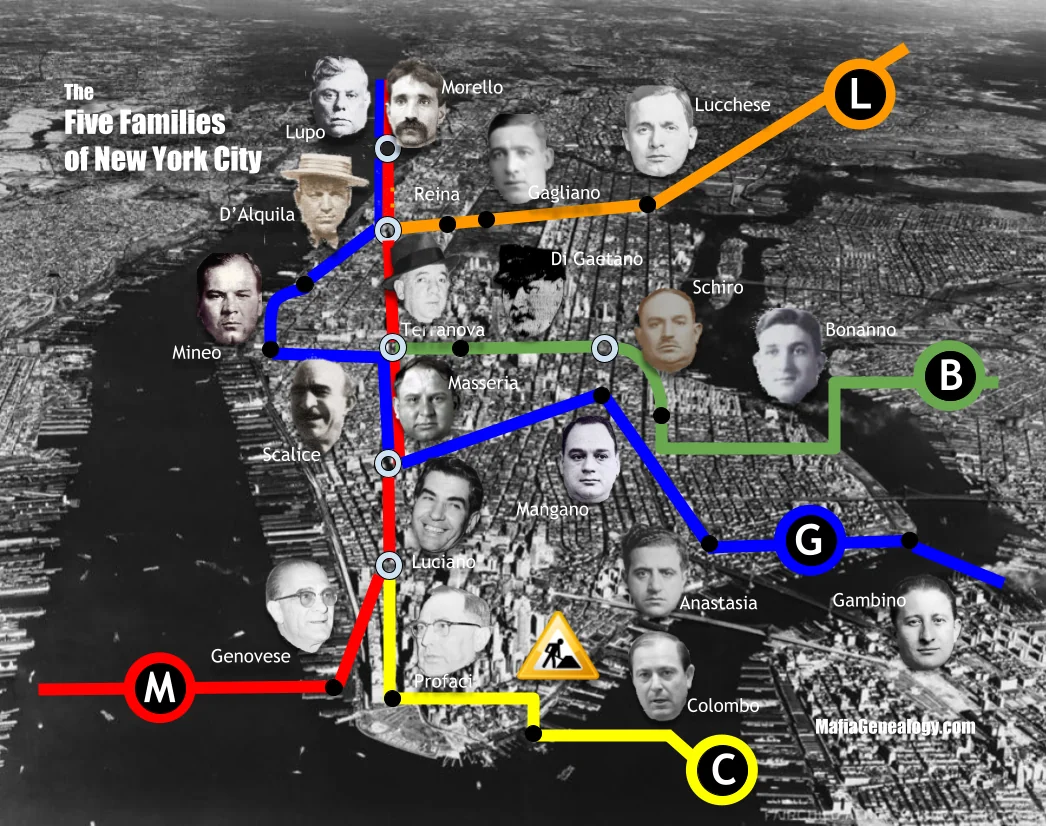
The five families, as they came to be designated, included the Mangano, Maranzano, Luciano, Profaci, and Gagliano families; they later came to be known as the Bonnano, Colombo, Genovese, Lucchese, and Gambino crime families.

The New York families operate in geographically defined territories. All are ruled by a structured hierarchy (the organization) to whom different designated leaders and “made men” report. At the top of the organization is the capo dei capi (boss of bosses).

Territories

The five families have traditionally operated in New York City;, however, their influence spread to other areas and states. Different factions operate across the counties of Long Island (Nassau and Suffolk) and include points north in Westchester, Rockland, and Albany, New York. There is also a strong presence that is maintained in the state of New Jersey. Outside of the Northeast, they operate in South Florida, Las Vegas, Connecticut, and Massachusetts.

Bonanno Family

Operates mainly in Brooklyn, Queens, Staten Island, and Long Island, but also points north that include the Bronx, Westchester County, New Jersey, California, Atlanta, and Florida. The “Bath Avenue” crew operated in Bensonhurst, Brooklyn.

Colombo Family

The Colombo family also mainly operates, in Brooklyn, Queens, and Long Island. Again, they have operations in other areas that include Staten Island, Manhattan, The Bronx, New Jersey, Georgia, and Florida.

Gambino Family

The Gambino family operates primarily in Brooklyn, Queens, Manhattan, Staten Island, and Long Island. The family also maintains influence in The Bronx, New Jersey, Westchester County, Connecticut, Florida, and Los Angeles. Their crew, the “Ozone Park Boys” operate in Queens and Long Island. The Staten Island Boys operate in Staten Island.

Genovese Family

The Genovese family operates mainly in Manhattan, The Bronx, Brooklyn, and New Jersey. The family is further influential in Queens, Staten Island, Long Island, Westchester County, Rockland County, Connecticut, and Massachusets.

Lucchese Family

The Lucchese family operates mainly in The Bronx, Manhattan, Brooklyn, and New Jersey. The family also maintains influence in Queens, Long Island, Staten Island, Westchester County, and Florida. They also operate a faction that works throughout New Jersey.

Little Italy

The Mexican Mafia

Course: Organized Crime

Tweets by @SandraTrappen