
What was the Kerner Commission?
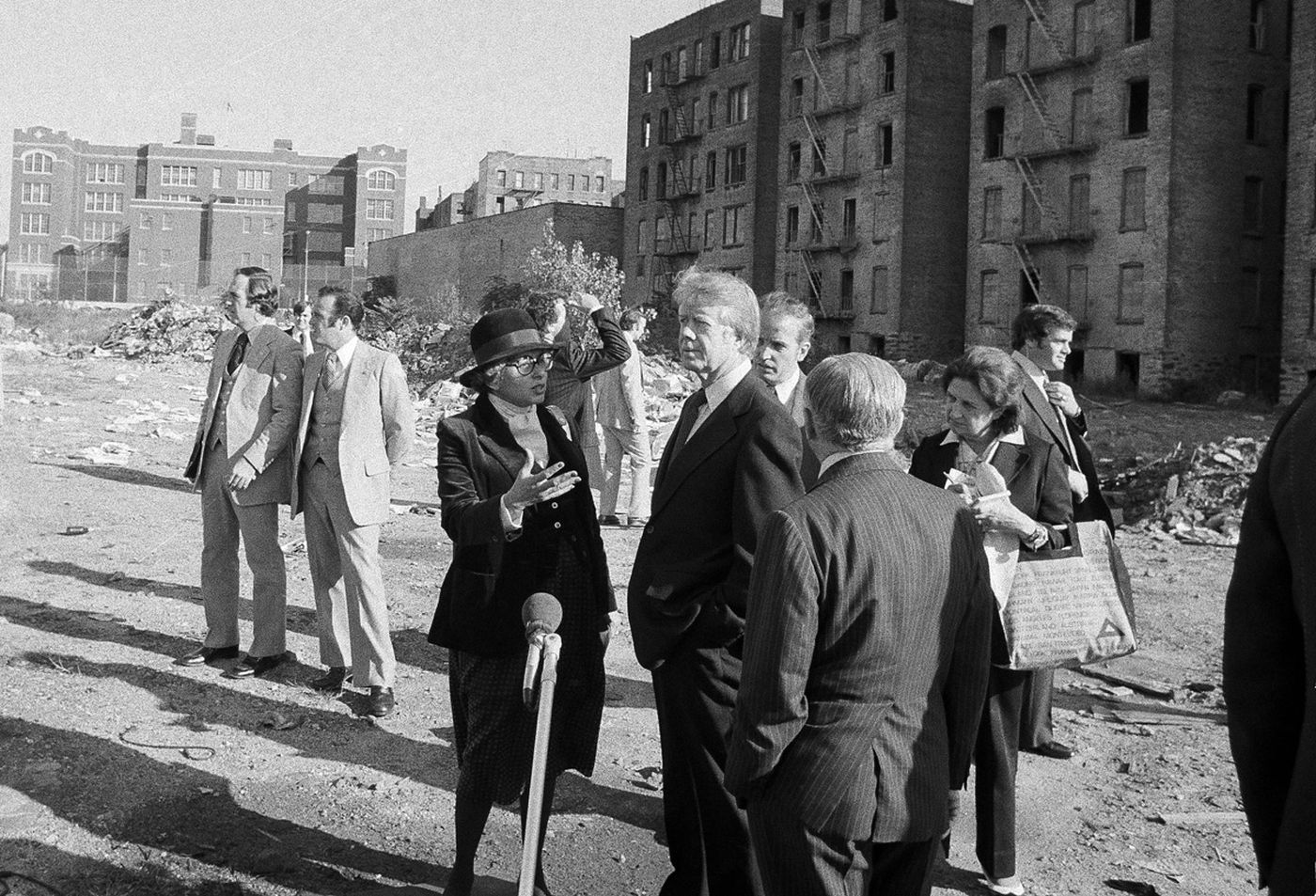
The Kerner Commission (an 11-member panel officially known as the National Advisory Commission on Civil Disorders) was a presidential commission established by President Lyndon B. Johnson in 1967. The aim of the commission, chaired by Illinois Gov. Otto Kerner, was to investigate the causes of the urban race riots that occurred during the summer that year and to recommend solutions. The final report, published in 1968, concluded that racism and social inequality were the primary causes of the civil unrest.
To this end, the commission famously warned that the nation was moving toward “two societies, one black, one white—separate and unequal.”
The Long Hot Summer
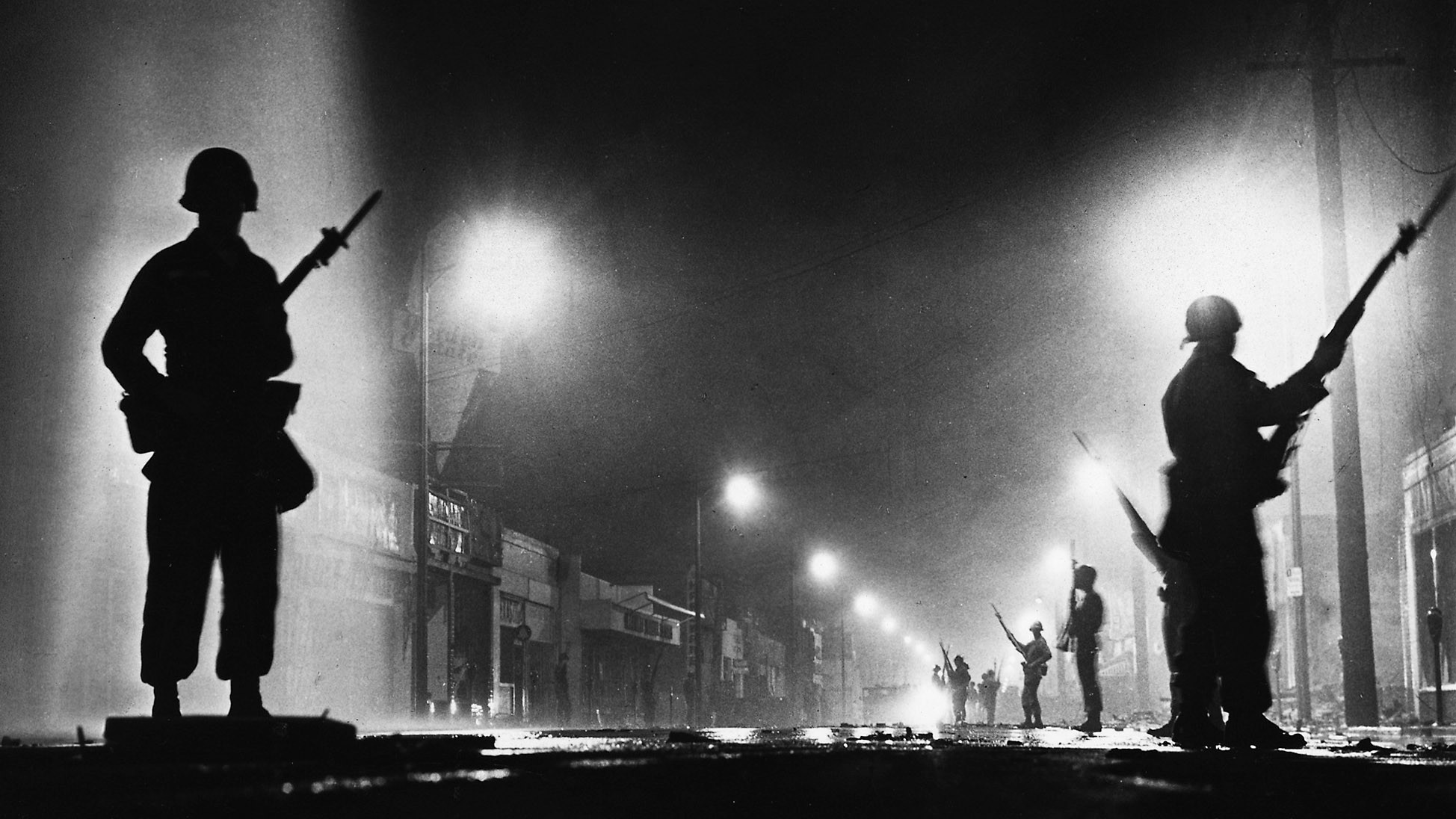
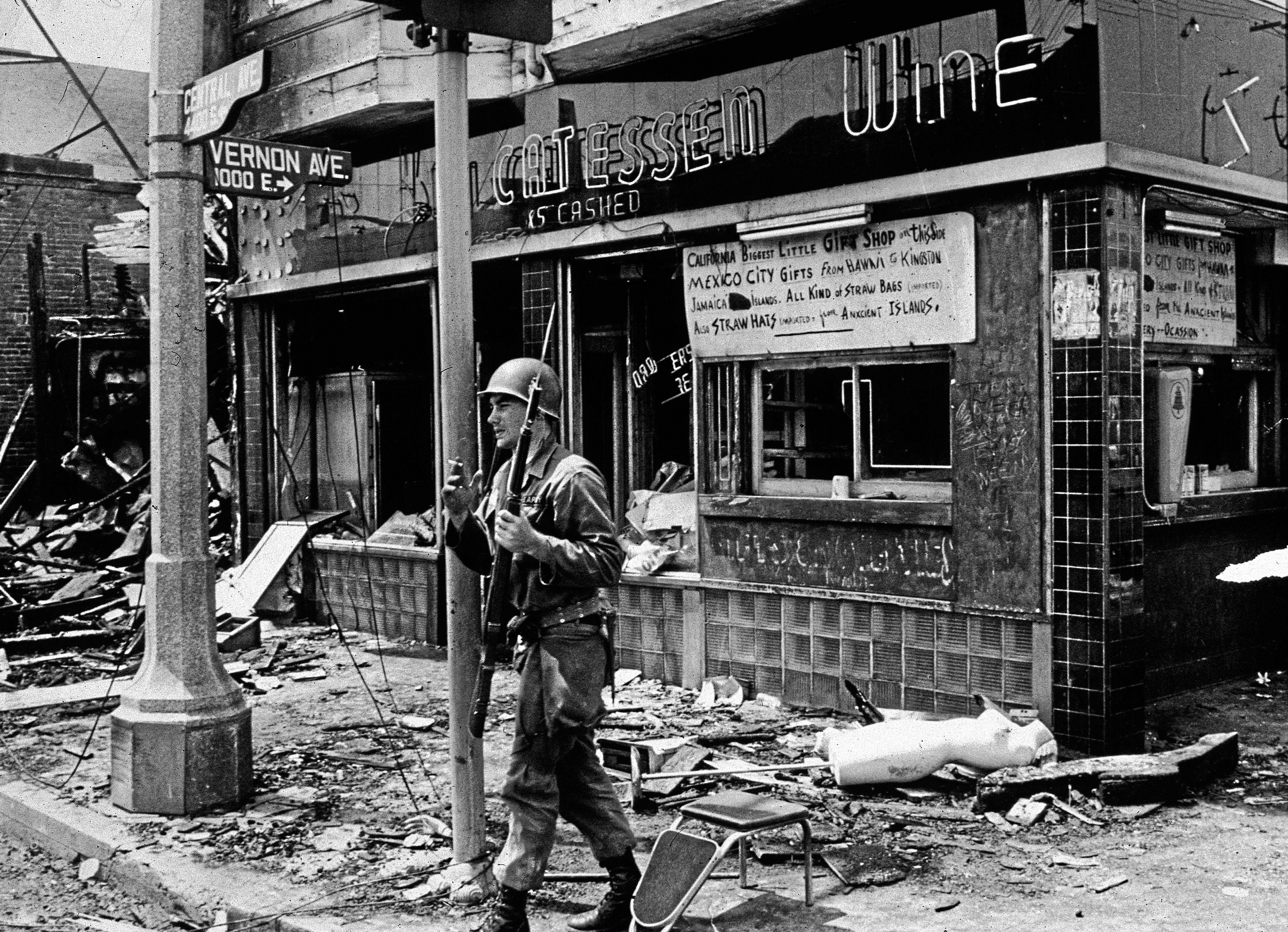
What caused civil unrest in 1967? During a period of 9 months, culminating in the summer, more than 150 riots occurred across the U.S., most notably in the cities of Detroit, MI and Newark, NJ.
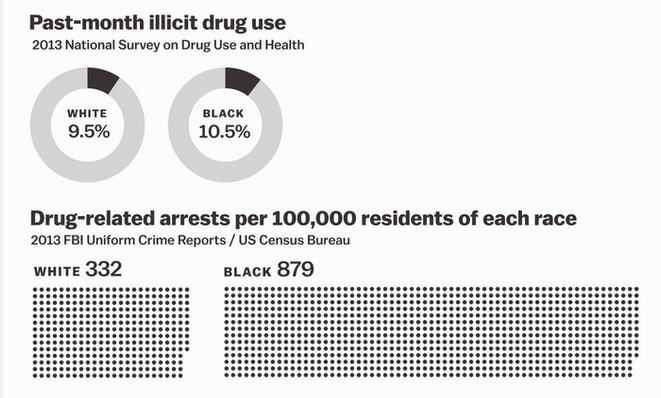
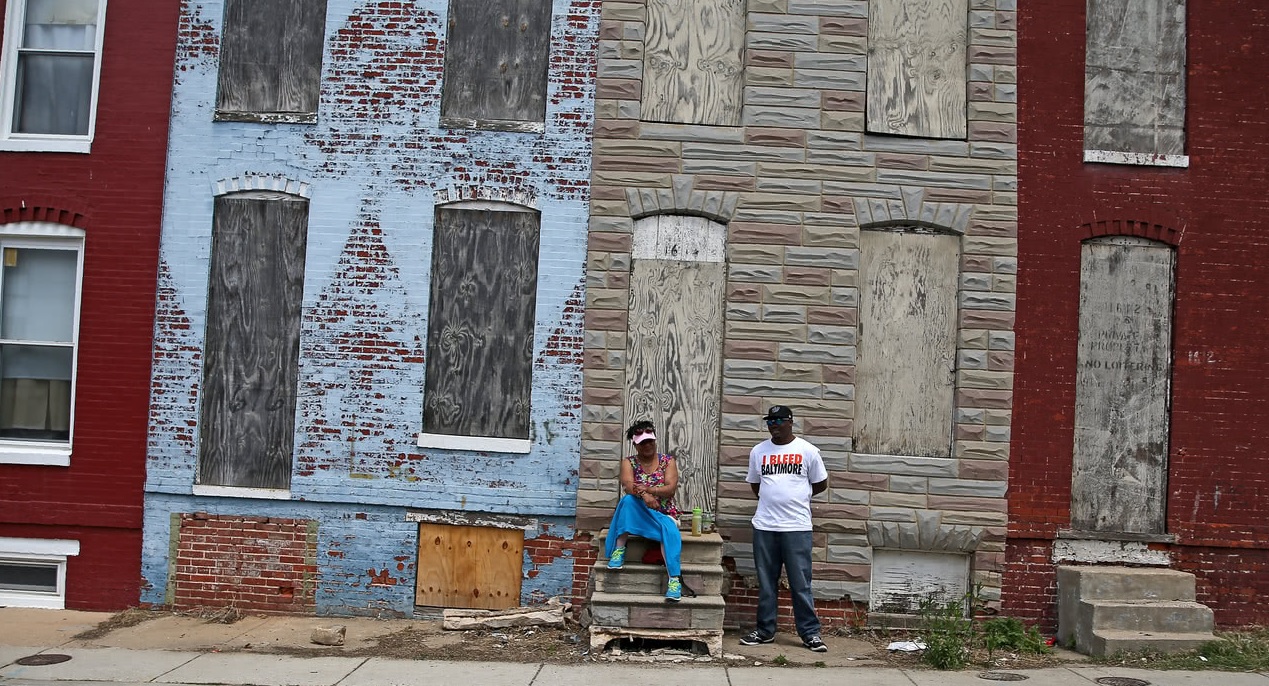
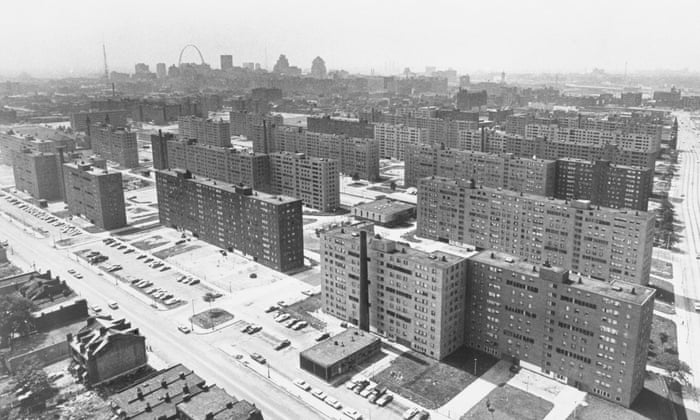
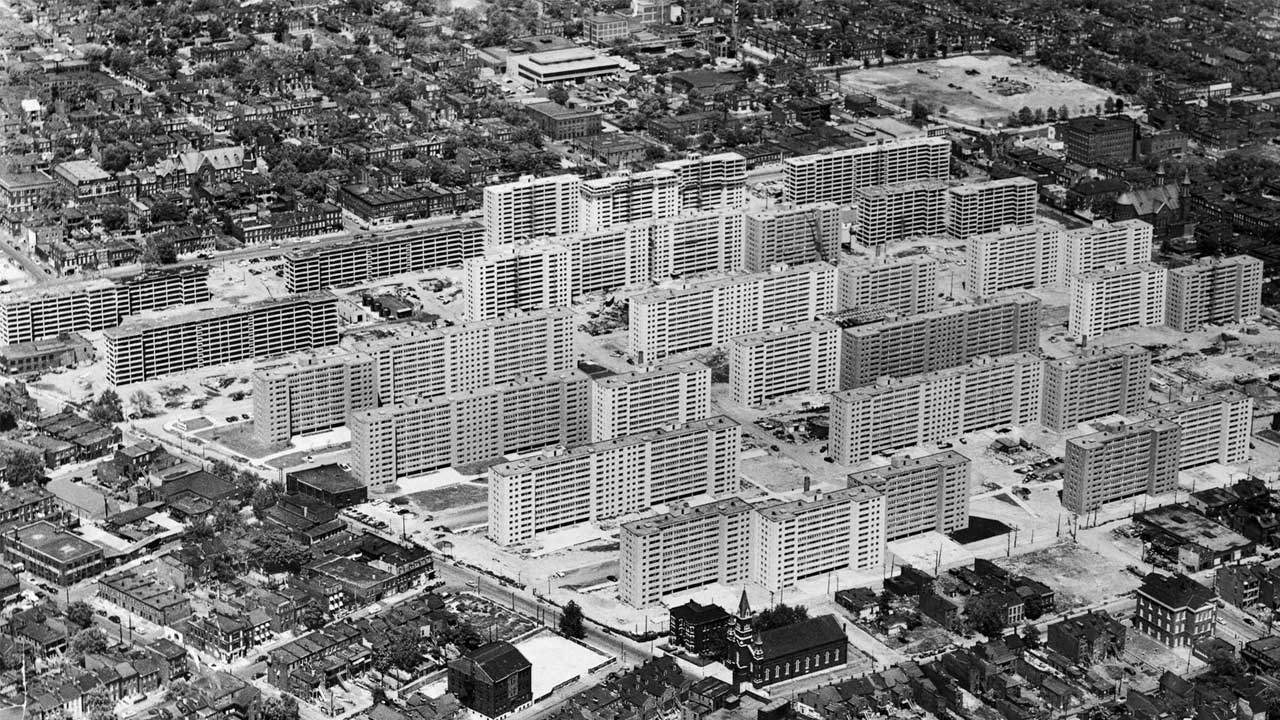
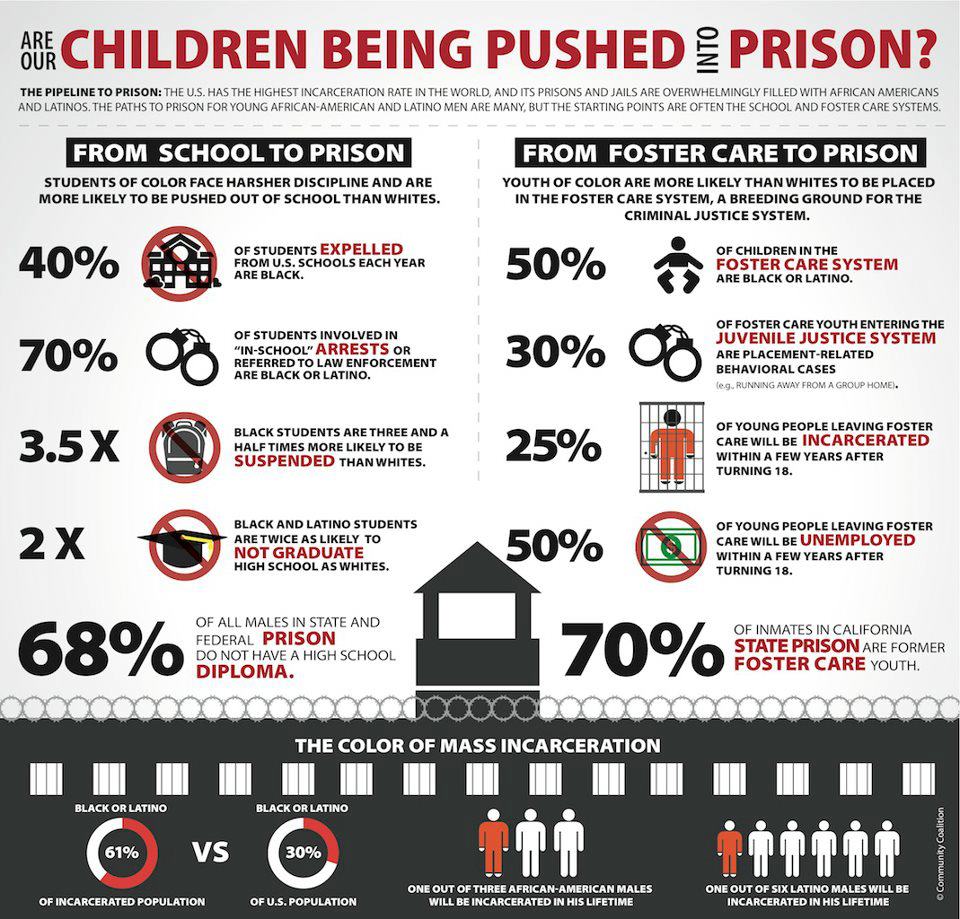
The report cited there were numerous grievance “triggers.” Among them were wide-spread racial discrimination and segregation, police brutality, discriminatory practices in the criminal justice system, unfair consumer credit practices, inadequate housing and public assistance programs, poverty, and high unemployment. All of them worked together in ways that effectively led to the systematic exclusion of communities of color from the democratic process.
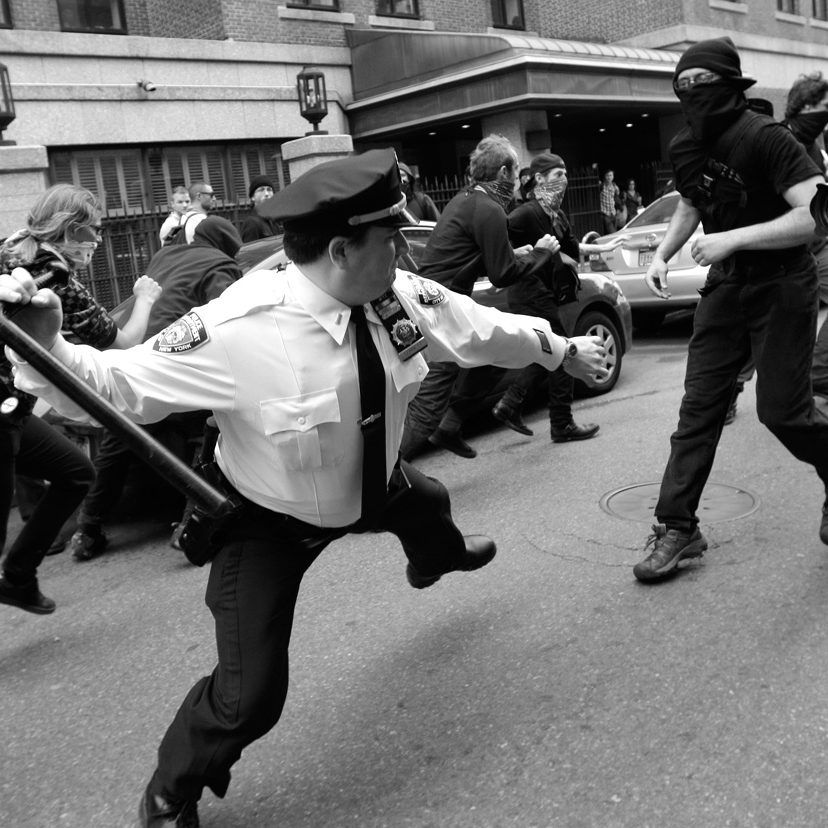
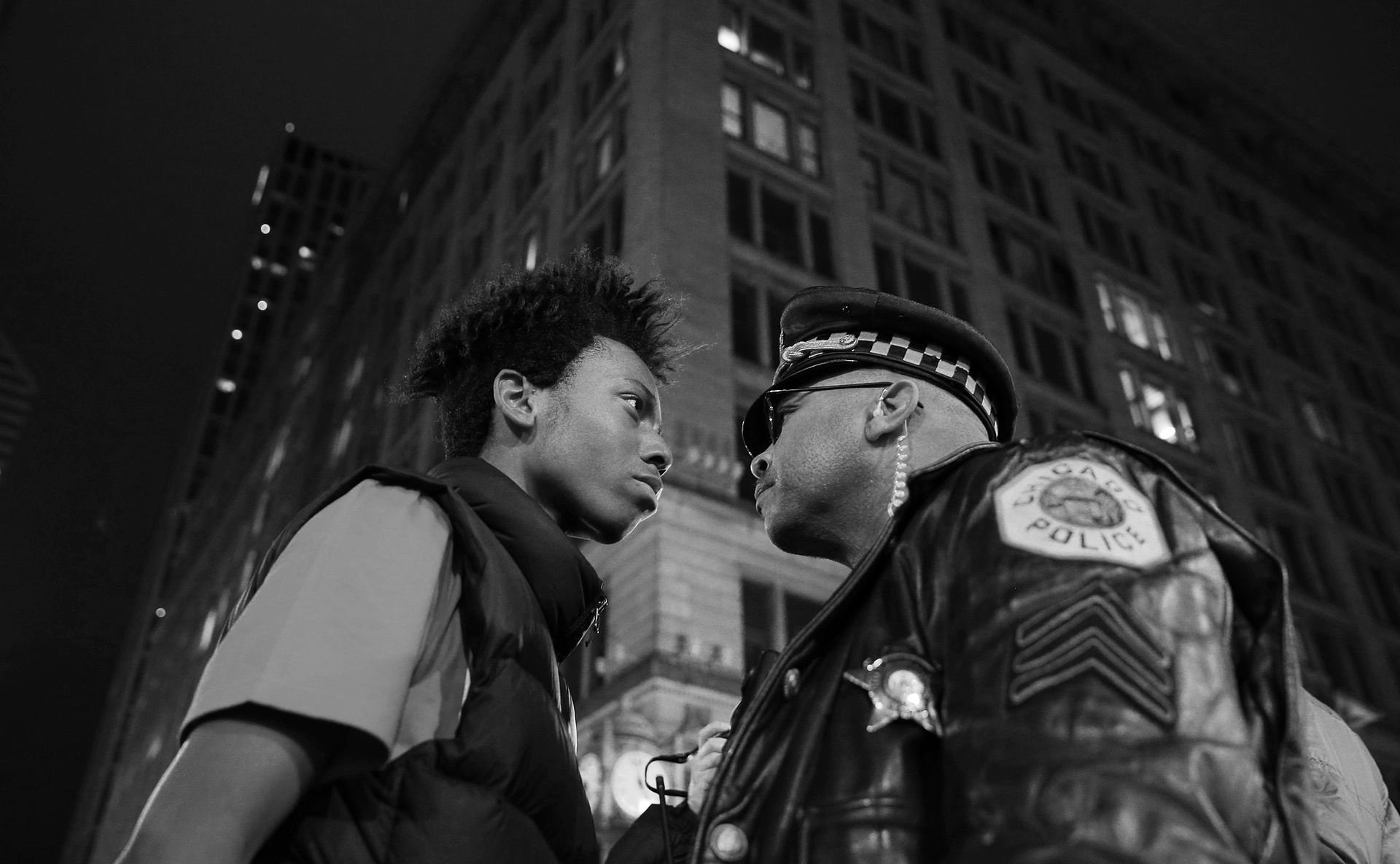
The most common triggering event was a dispute between Black citizens and white police officers that escalated to violence.

Conflicts with the Police
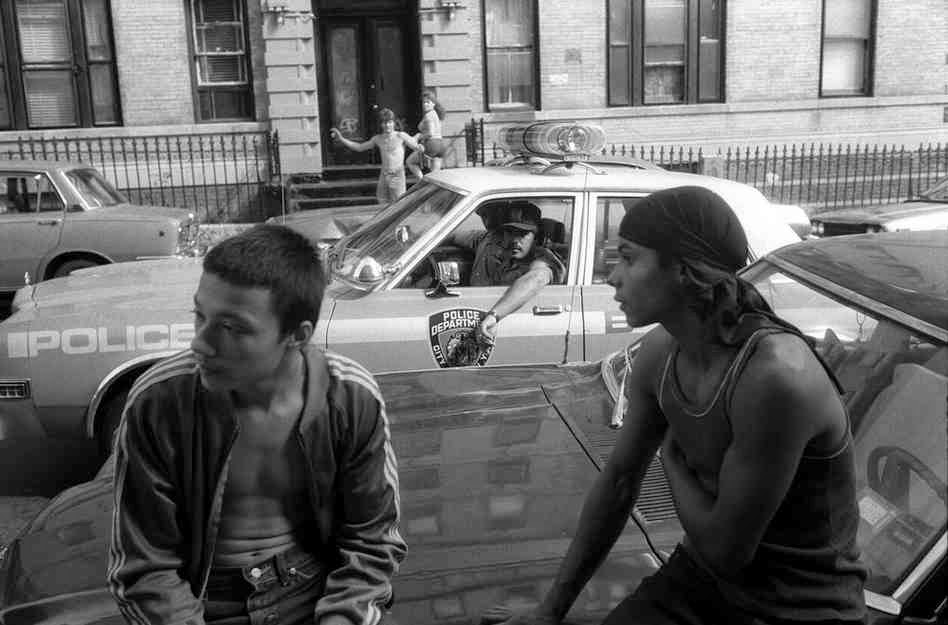
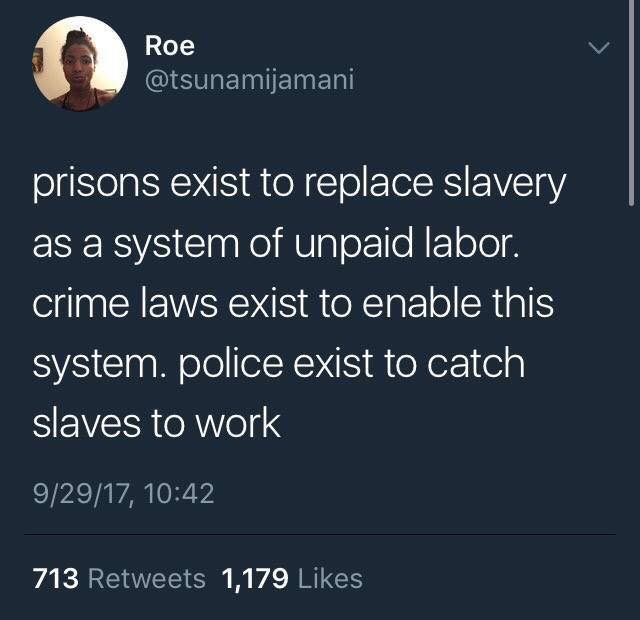
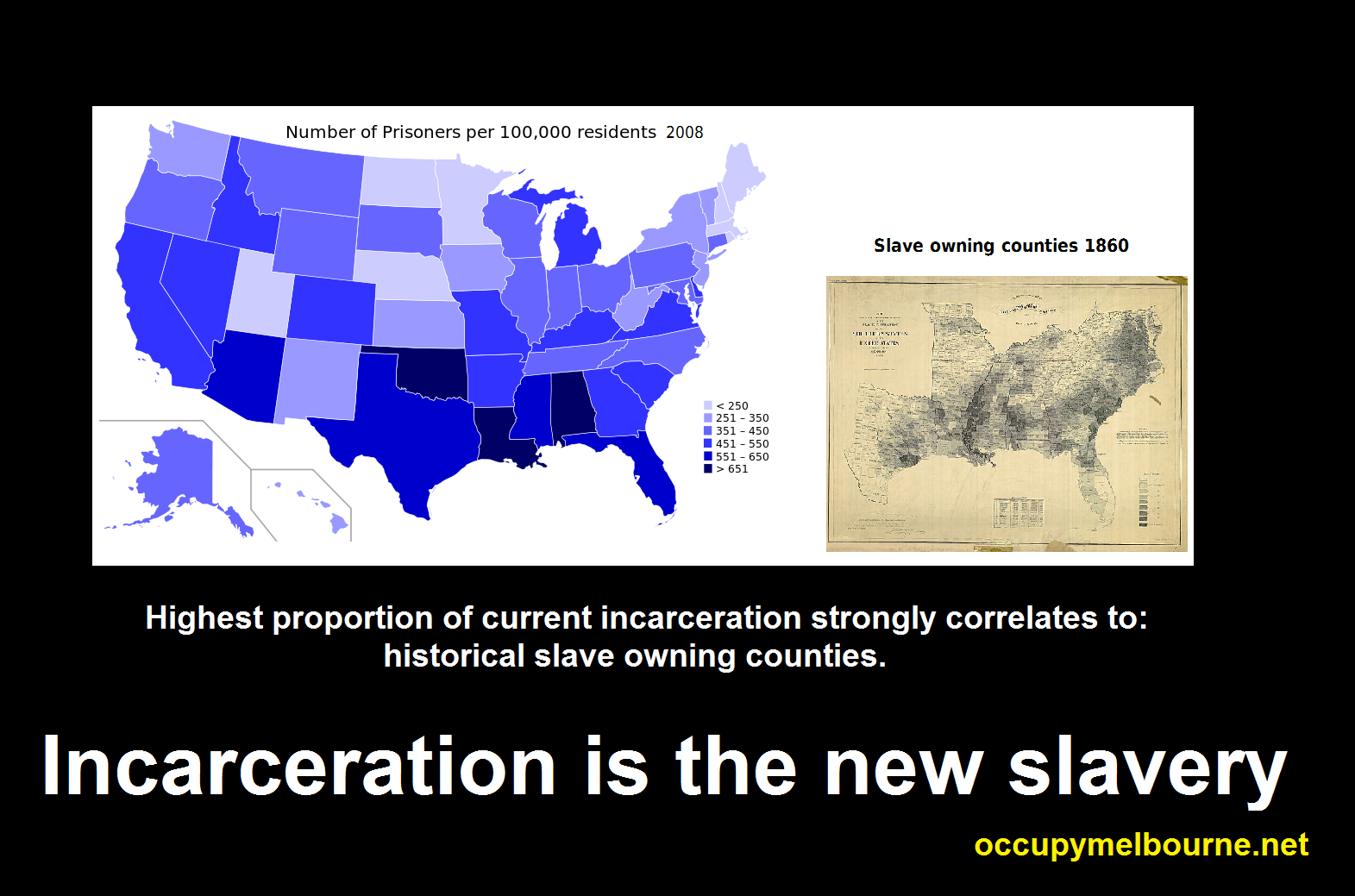
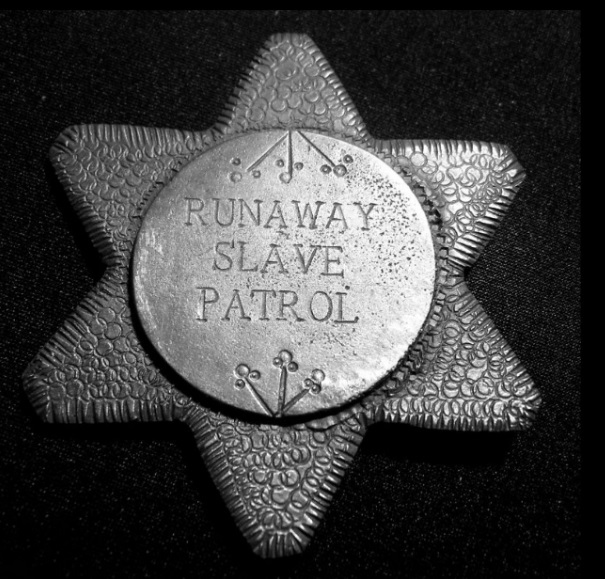
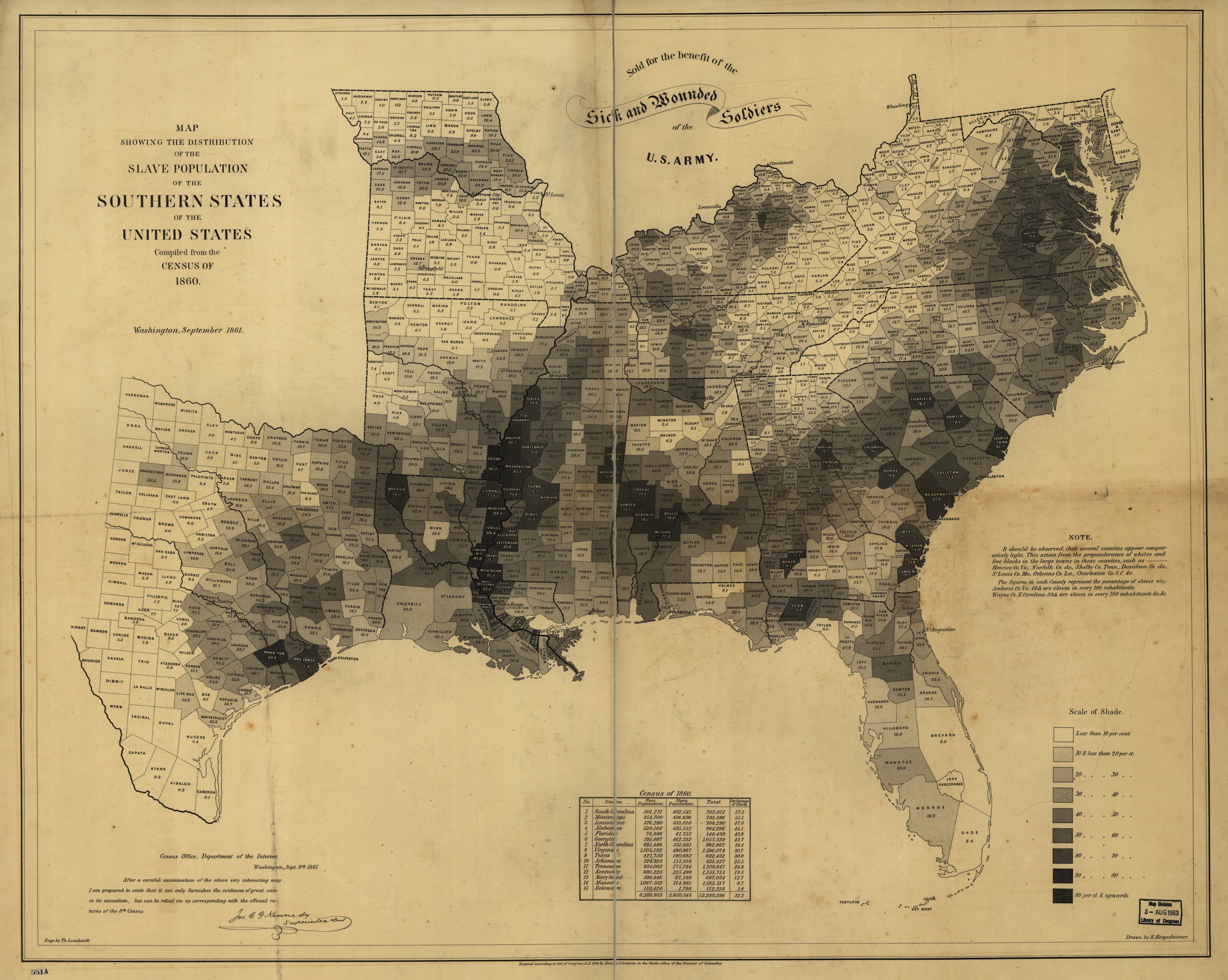
The poor treatment of residents of black communities in particular proved to be highly consequential during this time period. Such treatment, of course, finds its roots in American history, beginning with the 19th-century slave patrols and culminating in the Jim Crow era ” Black Codes,” the enforcement of which was purposefully designed to facilitate the arrest of Black people so that white “owners” could continue to profit from their free labor. This, in turn, often gave way to police-involved lynchings.
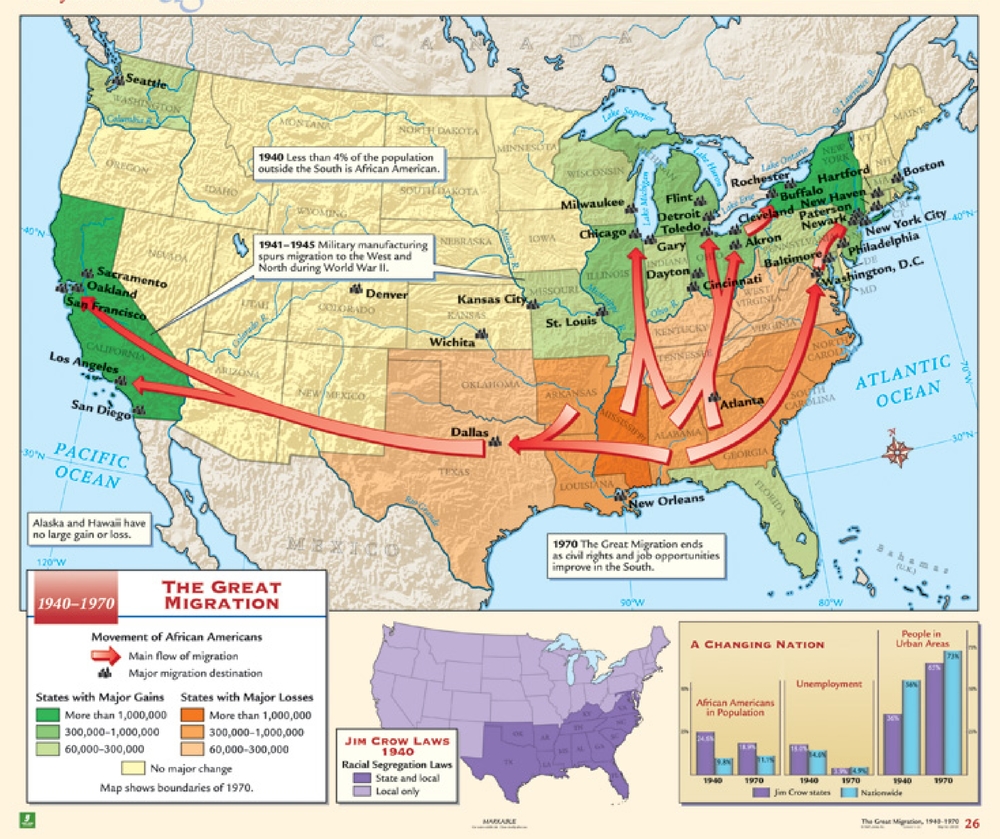
Fast forward to the 1960’s, when it was widely reported that residents of cities in places like Detroit and Newark felt threatened by the “Black invasion” to their neighborhoods. New York University historian Thomas Sugrue, author of The Origins of the Urban Crisis, documented this in his book. With that, decades of racial conflict and economic inequality boiled over and set off the 1967 riots; though to be clear, it was police action that provided the triggering spark. (Evans, 2021).
The Newark uprising began on July 12 when a Black cab driver was beaten by two white police officers for a minor traffic offense. The five days of rioting and looting that followed produced 26 deaths, 700 injuries, and more than 1,400 arrests. Ultimately, the National Guard and state troopers were called in to restore order (Evans, 2021)
To quote the Kerner report, “White racism is essentially responsible for the explosive mixture which has been accumulating in our cities since the end of World War II.” According to Nathaniel Jones, the Assistant General Counsel for the Commission, “white society created it, perpetuates it, and sustains it.” Not surprisingly, many white politicians and members of the news media voiced strong disapproval for that finding.
The commission, likewise, attributed the uprisings to a combination of complex social, psychological problems, and poverty worked together to create feelings of despair among people. This created further problems with trust, as many felt they could no longer place their trust in the police and authority figures. And as it turns out, it was only three months prior to the beginning of the unrest in Newark and Detroit, that Dr. Martin Luther King, Jr. warned of coming the violence, even as he was encouraging nonviolent direct action: “All of our cities are potentially powder kegs,” said the 1964 Nobel Peace Prize winner in a speech at Stanford University entitled “The Other America.”

Why Were the Commission’s Findings Ignored?
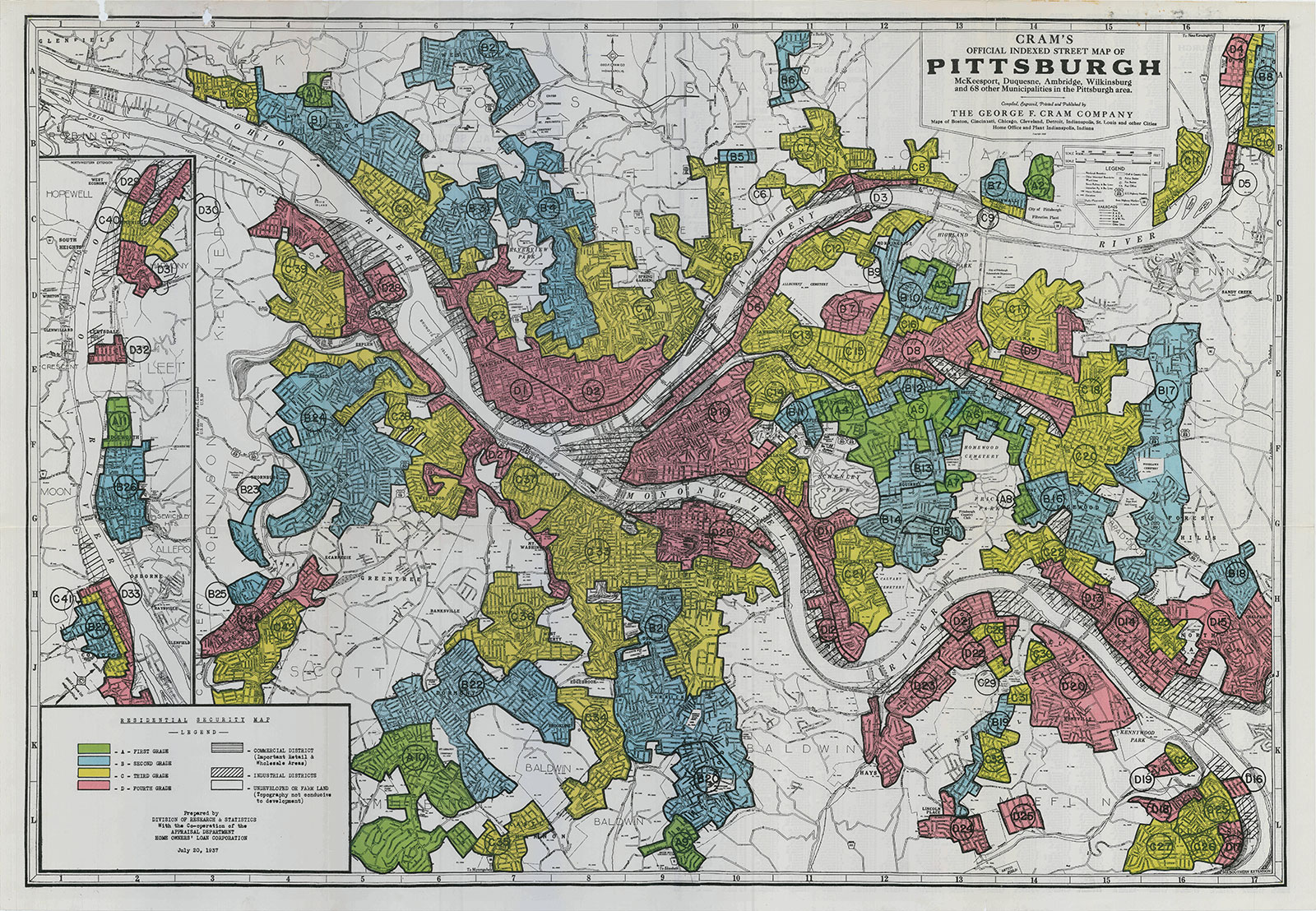
Now, nearly five decades later, the Kerner Commission’s report is considered to be one of the more insightful documents on race relations and solutions for discrimination that was ever be published by the U.S. government. In the view of one scholar, Michigan State University Professor Joe T. Darden, the cost of ignoring the Kerner Report has meant further decades of less opportunity for African-Americans. Had the commissions findings been implemented, it “would have eliminated this separation we have: central city/suburb, white suburb/black central city, white affluent/black poverty.
So, what got in the way?
Political conservatives disliked the fact that blame was placed on white institutions and society; they believed that black rioters were “let off the hook” for violent behavior.
Significantly, President Johnson, who had previously pushed through the Civil Rights Act and the Voting Rights Act, famously rejected the Commission’s report. Many believed he disliked it for a variety of reasons, chief among them was a belief that the report did not adequately acknowledge the previous accomplishments of his administration.
To make matters worse, the funding that would have been required to implement the report’s recommendations was also viewed to be an obstacle, given how Johnson’s policies exploded the budget to support the U.S. escalation of the war in Vietnam. According to Darden, this likely caused President Johnson to worry that supporting implementation of the commission’s findings could damage the Democrat party’s chance to keep the White House in the next election. Increasing spending was thus deemed to be impractical, despite it being necessary.
Conclusion
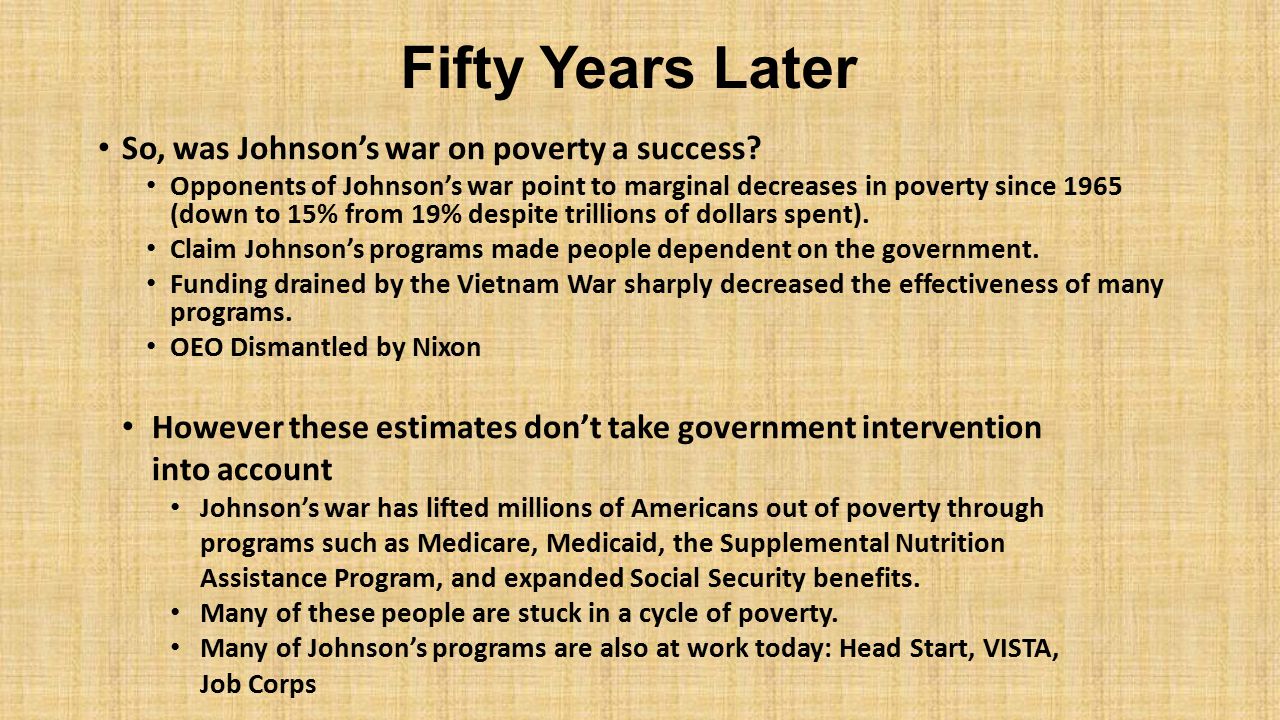
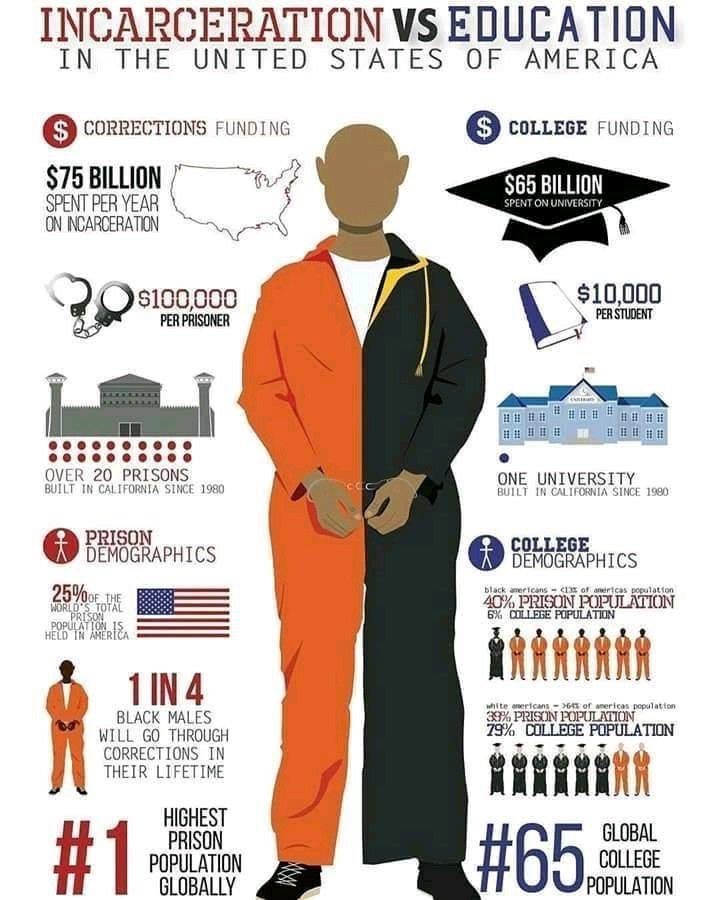
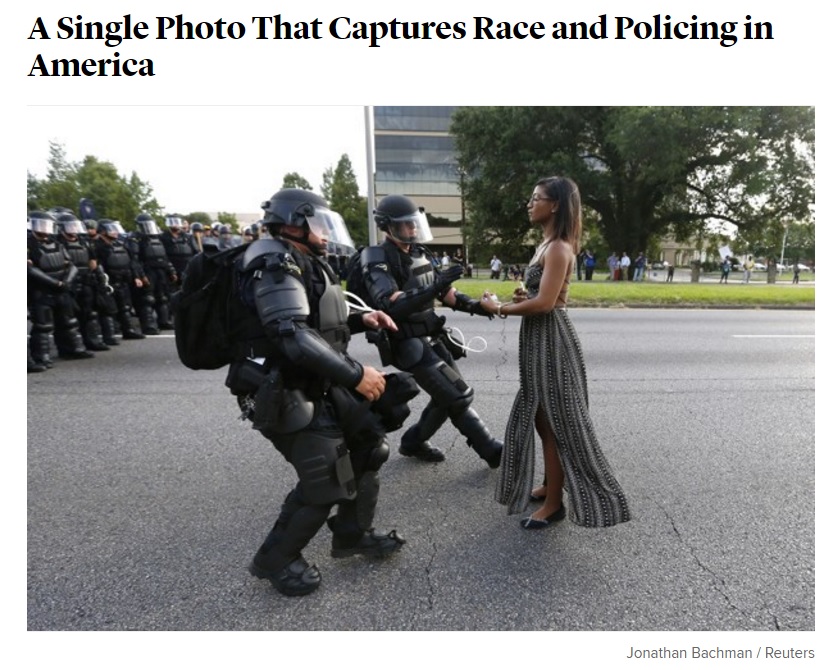
As the report predicted, incidents of police brutality continued to spark riots and protest marches even after the 1960s had ended; many of its recommendations have still not been yet been enacted as of 2024. Head Start, for example, an early education program for youth, was never fully funded at the level that the Commission desired nor were the Commission’s major welfare and job training recommendations adopted.
Alternatively, congress did manage to pass the Fair Housing Act about one month after the report’s completion, and within a few years, it allocated funding for the nation’s two largest urban aid programs (Model Cities and urban renewal), and increased federal aid for education. Congress also passed the Community Development Act to build on the Fair Housing Act towards helping housing equality.
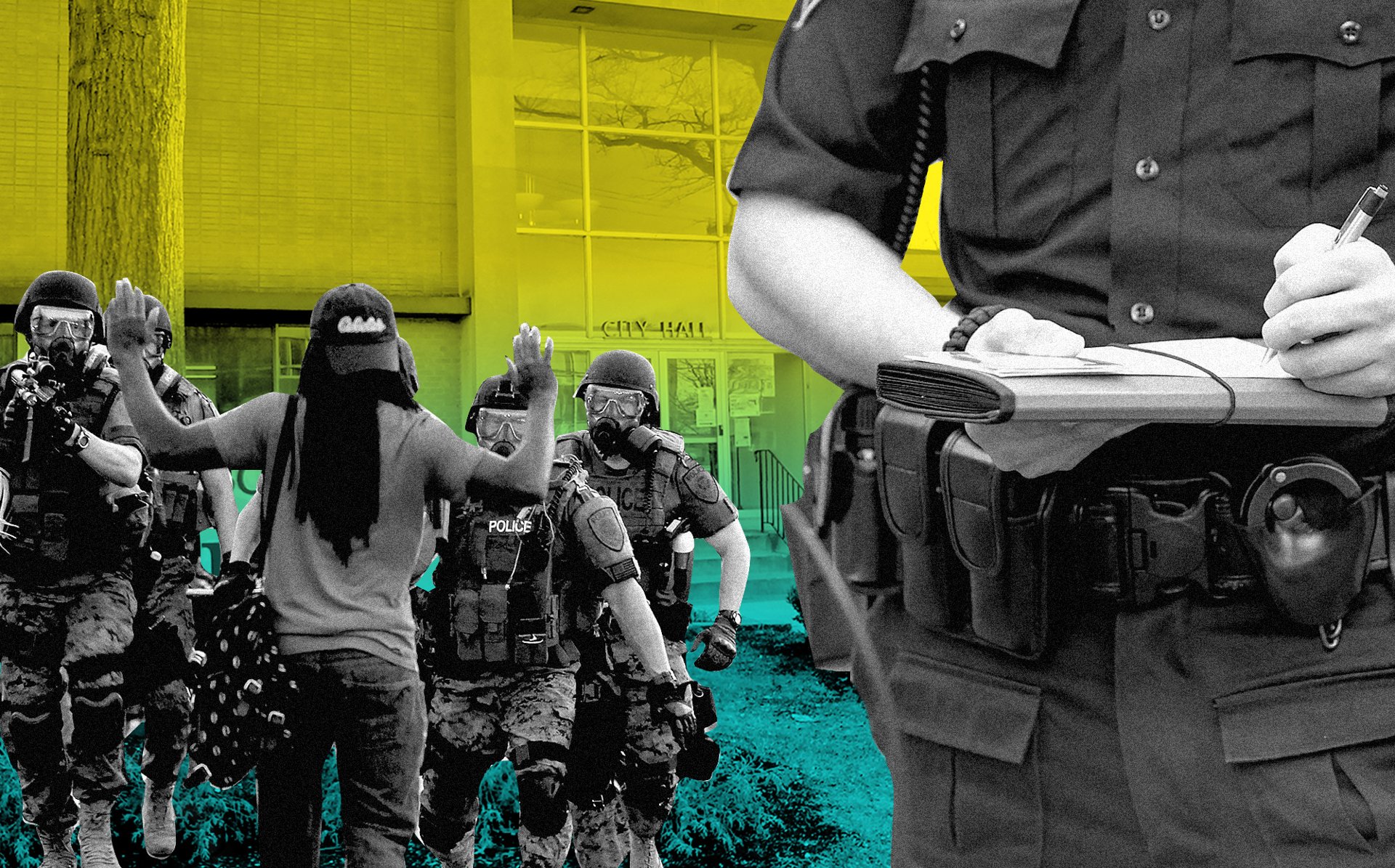
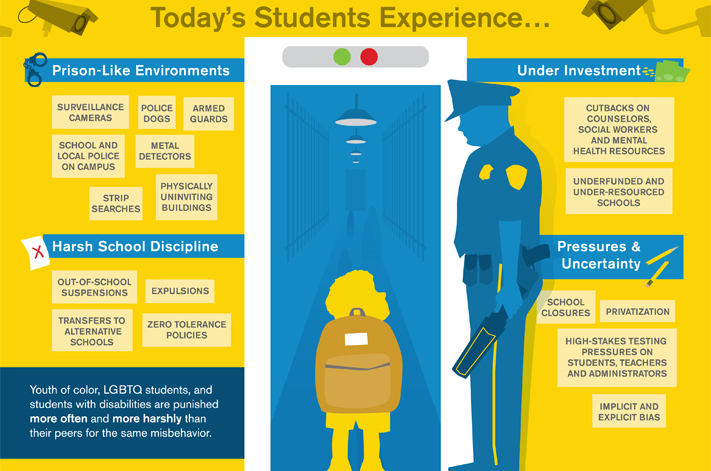
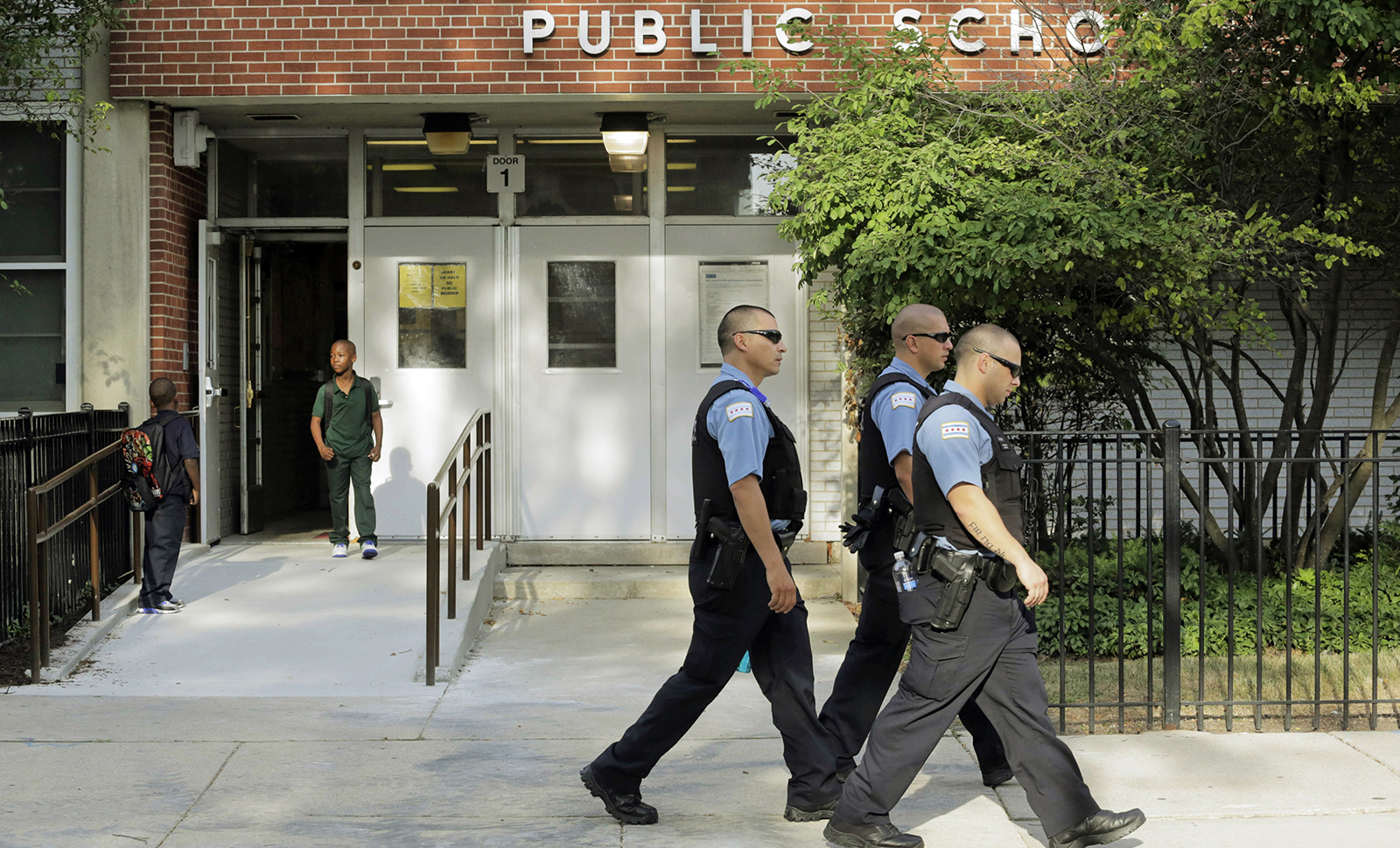
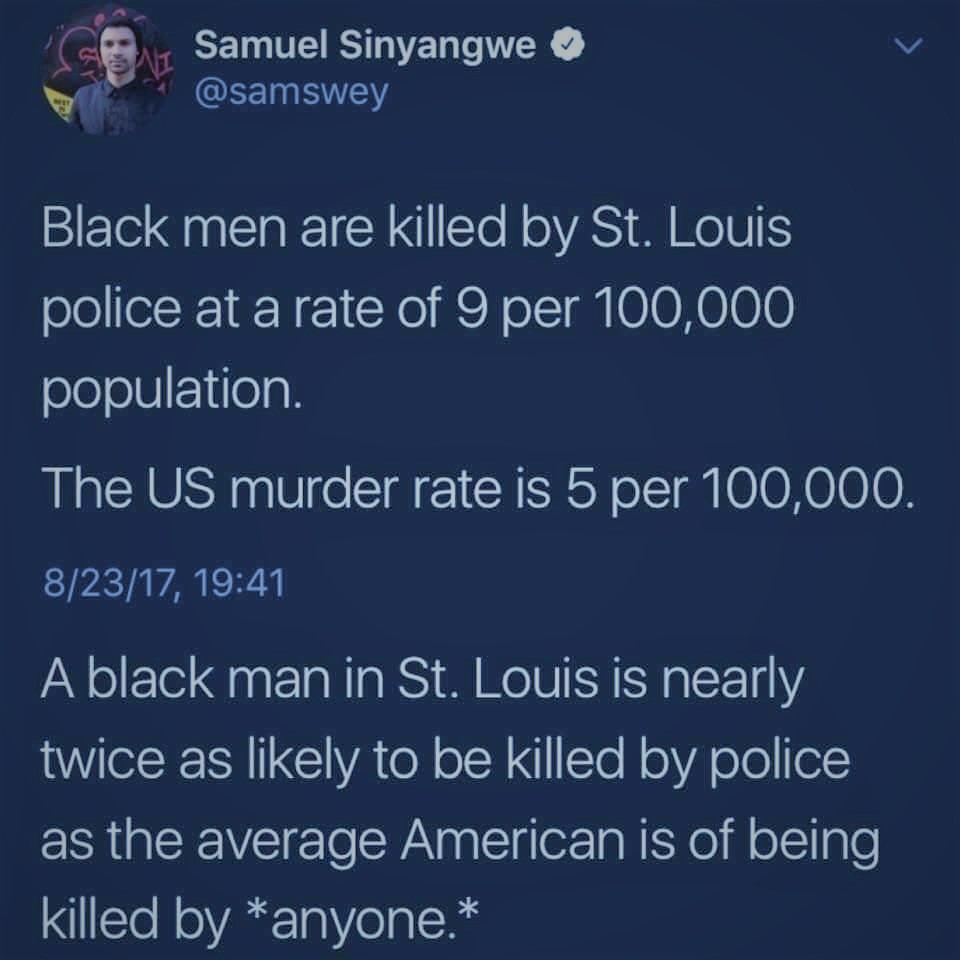
Finally, regarding police policy initiatives, many of the report’s major policing and riot control recommendations were adopted: police forces are now comparatively more racially diverse than they were in 1967, formal grievance processes are now in place in almost every city, and many cities have implemented community policing program models, which are focused toward getting officers out of the patrol car so that they can build a rapport with the people in their local communities. Despite this, police brutality remains a major ongoing unsolved problem.
With that, it can fairly be said of the report that it wasn’t fully ignored or forgotten, so much as its implementation failed to respond to the urgency of the moment that gave rise to its formation. As a result, U.S. society continues to struggle with many of the same problems that have plagued it throughout its history, with each successive generation continuing to pose the same questions about marginalized communities – why are they rioting? why can’t they seem to get ahead?
Sources
The 1967 Riots: When Outrage Over Racial Injustice Boiled Over, by Farrell Evans, 2021.
Questions for Reflection
The Kerner Commission of 1968 identified problems with social inequality, especially as this relates to policing practice in the 1960’s – problems that caused issues with people living in racial and ethnic minority communities. Has anything changed since that time? Discuss one or two of these major issues/problems.