
What is Juvenile Delinquency?
Juvenile delinquency and crime is a problem in the United States. Research has established that a sizeable majority of young people admit to engaging in some types of delinquent behavior. Although only a small number are ever apprehended by police officers, even fewer are ever referred to a juvenile court.
Definitions of juvenile delinquency vary according to statutory definitions in each state. Most states define a “juvenile” for jurisdictional purposes as a person between the ages of 10 to 18 years of age; although in some states 16-and 17-year-olds may be treated as adults when they have committed a crime.
A “delinquent child” is defined generally as a child who has violated any state or local law; a federal law or law of another state; or who has escaped from confinement in a local or state correctional facility.
What Kind of Crimes Do Youth Commit?
The majority of crimes committed by juveniles are offenses such as theft and shoplifting, vandalism, drug and alcohol use, disorderly conduct, and simple assaults – hitting, kicking, and fights that do not result in serious injury.
Youths engage in behavior such as curfew violations, running away, disobeying parents, school truancy, and alcohol violations. These are referred to as status offenses because they apply only to juvenile-age youth and children, and are not punishable under a state penal code.
Paradoxically, statistics indicate that juvenile arrests have been on the
decline for more than a decade in the United States. Nevertheless, some troubling patterns persist and these vary greatly by geographic location, offense, and demographic group.
Why Do We Care About Juvenile Crime if it’s Not Serious?
Most serious property and personal violent crimes are committed by adult offenders over the age of 18. Considerable attention is directed at delinquent behavior and juvenile offending, however, for at least two reasons:.
1) Juvenile-age youth commit a disproportionate number of crimes (compared with their proportion of the population)
2) Delinquency prevention efforts are the first step in reducing crime and violence committed by adult offenders.
Given these findings, which are documented in scientific studies, criminologists, social scientists, lawmakers, and policymakers have focused their efforts on examining the causes of juvenile crime, and on developing programs and public policies to prevent delinquency and correct juvenile offenders.
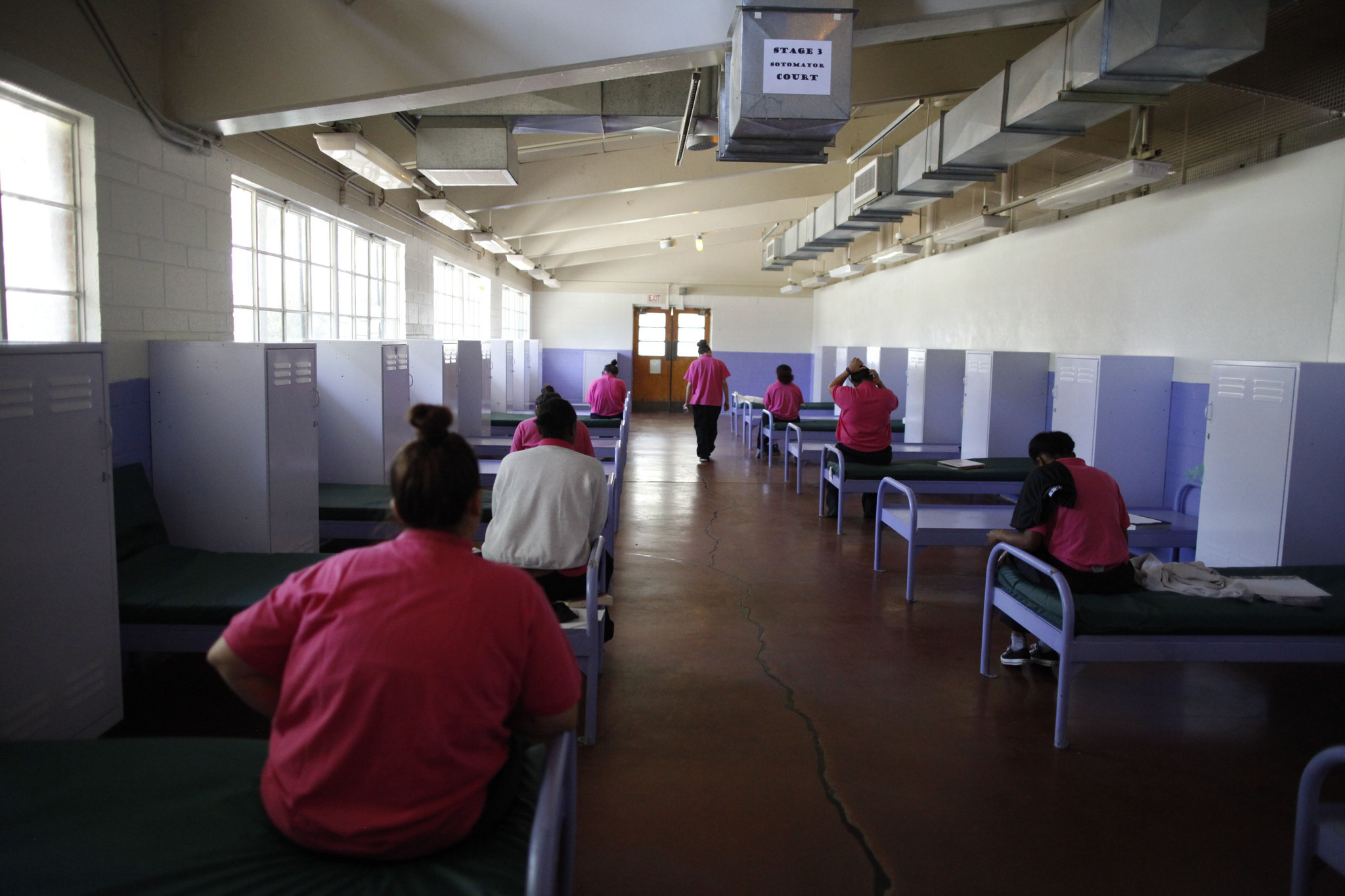
What is Juvenile Justice?
Juvenile justice is the area of criminal law applicable to persons not old enough to be held responsible for criminal acts. In most states, the age for criminal culpability is currently set at 18 years (again, in some states 16-and 17-year-olds may be treated as adults when they have committed a crime).
Juvenile law is mainly governed by state law and most states have enacted a juvenile code.
The parens patriae doctrine was the legal basis for court jurisdiction over juveniles and was central to the juvenile court philosophy because children who violated laws were not to be treated as criminals. Children were considered less mature and less aware of the consequences of their actions, so they were not to be held legally accountable for their behavior in the same manner as adults. Under the juvenile justice philosophy, youthful offenders were designated as delinquent rather than as criminal and the primary purpose of the juvenile justice system was not punishment but rehabilitation (see Mennel, 1972, and Davis, 1980).
History of Juvenile Justice
The American juvenile justice system has developed over the past century with a number of differences that distinguish it from the adult criminal justice process. Juvenile justice advocates supported the differences on diminished youthful offender accountability and legal understanding and youths’ greater amenability to treatment.
The first juvenile court was established in Chicago, Illinois, in 1899. There is still debate a century later over the goals and the legal procedures for dealing with juvenile offenders. The question of whether juvenile offenders should be tried and sentenced differently than adult offenders elicits strongly held opinions from citizens, policymakers, and professionals.
Transfer provisions – the practice of waiving juveniles offenders from the juvenile system to the adult system – are on the uptick, though they remain controversial for reasons that the research shows that the outcomes are less than satisfactory.
Originally, the juvenile justice system was established on the principle of individualized justice and focused on rehabilitation of youthful offenders. While due process protections were considered important, they were considered secondary in importance given the court’s emphasis on care, treatment, and rehabilitation for juveniles. It was believed that youths could be held responsible for their unlawful behavior and society could be protected through an informal justice system that focused on treatment and “the best interests of the child.” This approach is still appropriate and effective for the majority of juvenile offenders, whose crimes range from status offenses to property offenses to drug offenses.
Reform; Not Punishment
The juvenile courts sought to turn juvenile delinquents into productive citizens by focusing on treatment rather than punishment. The laws that established the juvenile courts clearly distinguished their purpose as different from the adult penal codes.
A ruling by the Pennsylvania Supreme Court in the case of Commonwealth v. Fisher in 1905 supported the juvenile court’s purpose, and illustrates how the court’s role in training delinquent children superseded the rights of children and their parents:
The design is not punishment, nor the restraint imprisonment, any more than is the wholesome restraint which a parent exercises over his child. . . . Every statute which is designed to give protection, care, and training to children, as a parental duty, is but a recognition of the duty of the state, as the legitimate guardian and protector of children where other guardianship fails. No constitutional right is violated. [Commonwealth v. Fisher, 213 Pa. 48 (1905)]
The Pennsylvania Supreme Court thus supported the juvenile court’s treatment objectives over the rights of the juvenile or the parents.
Because the purpose of the juvenile court was for the protection and treatment of the child and not for punishment, the juvenile proceeding was more civil than criminal and also informal (unlike the more formal, adversarial criminal court process).
Juvenile reform efforts were also based on the growing optimism that application of the social sciences was more appropriate for handling juvenile offenders than the law.
Delinquency was viewed more as a social problem and a breakdown of the family than a criminal problem.
Sources
Mennel, R.M.(1972). ‘Origins of the Juvenile Court: Changing Perspectives on the Legal Rights of Juvenile Delinquents,’ in Crime and Delinquency 18: 68-78.
Discussion Questions
Why do you think youth become involved in delinquent activity?
What kinds of delinquent activity did you observe among peers growing up? Did you become involved at any point with this activity? If not, how were you able to stay out of trouble? Who do you credit as having a favorable influence in your life to help you avoid being labeled a “troubled youth.”
What do you think about “zero-tolerance” policies for youth offenders?
The younger population often get involved in this behavior due to peer pressure, a lack of commitment to family or school, a lack of possibilities, and the need for excitement, status, or a sense of belonging. Stressors such as lack of supervision, local conditions, or poverty can increase the likelihood of those paths.
Teenage underage drinking, small-time theft, vandalism, and skipping school are common instances. Strong supporters, such as involved parents, coaches, or mentors, are common among those who avoid being drawn in. In addition to organized activities that increase the “cost” of getting into trouble.
Although they may seem desirable for consistency, in reality they are frequently overly strict and can punish minor infractions too severely, which pushes children further into the system rather than improving behavior.
Juvenile delinquency is a complicated issue, and I don’t think there’s just one reason why youth get involved in it. A lot of it has to do with the environment and the people around them. For example, if someone grows up without much supervision or structure, they might not really learn boundaries. Peer pressure is also a big factor since a lot of teens just want to fit in, even if it means making bad choices. Things like struggling in school, boredom, or problems at home can also lead to delinquent behavior.
Growing up, I saw some minor delinquent behaviors like skipping school, underage drinking, and sometimes vandalism or shoplifting. These weren’t super serious crimes, but they showed how easy it is for teens to get into trouble. Personally, I didn’t get involved in those things. For me, avoiding trouble was partly about understanding there would be serious consequences for my actions, which made me think twice. I also tried to stay involved in activities that kept me focused and gave me a reason to stay on track.
When I think about what helped me avoid being labeled a “troubled youth,” I think structure played a big role, along with the choices I made about who I spent time with. The people you’re around can really influence your decisions, so that made a difference for me.
As for zero-tolerance policies, I think they can be too strict. I understand they’re meant to prevent bad behavior, but they don’t always take into account the situation or the person. Not every offense is the same, and not every student has the same background. Treating everyone the same way can be unfair. I think it would be better to focus more on rehabilitation, like counseling or restorative justice, instead of just punishment, since the goal should be to help youth improve.
After reading youth delinquency and violence it made me realize how many murders happen with juveniles. It made me very shocked to see all of that because I did not expect it to be as bad as it was. It also surprised me that most juvenile killings are proximity kills meaning they are murdered by people that they know and care about. That is scary because you never know who it could happen to and when. I also was interested with that fact that more deaths are from suicides as opposed to murder. I think a big reason for this could be social media. It is easier for people to be bullied or have rumors started when people are behind screens all the time. Overall, I enjoyed reading this and definitely learned a lot from this article that I had no idea about.
Youth often become involved in delinquent activity due to a combination of peer pressure, lack of supervision, unstable home environments, and limited access to positive role models or resources. Because adolescents are still developing emotionally and socially, they may make impulsive decisions without fully understanding the long-term consequences of their actions. Delinquency is often less about being “bad” and more about responding to stress, environment, and influence.
Growing up, I observed peers engaging in behaviors such as skipping school, underage drinking, and minor vandalism. While I was exposed to some of this behavior, I was able to stay out of trouble by focusing on school and surrounding myself with people who made better choices. Positive influences from family members and teachers played an important role in holding me accountable and helping me avoid being labeled a “troubled youth.” Zero-tolerance policies for youth offenders tend to do more harm than good, as they prioritize punishment over rehabilitation and fail to address the root causes of delinquent behavior, often pushing youth further into the justice system instead of helping them succeed.
I think youth often become involved in delinquent activity due to a mix of social, environmental, and individual factors. Things like family instability and or lack of parental supervision, peer pressure, poverty, exposure to substance abuse, or even struggles in school can cause major problems in the long run. Adolescents are also still developing emotionally and cognitively, which can lead to poor decision making too. In many cases though delinquency reflects unmet social or emotional needs rather than intentional bad/criminal behavior.
I wouldn’t say while growing up I was really around too much delinquency. The biggest issues anyone around me had were underage drinking and maybe some goofy vandalism. Even though some of my friends/peers participated because of peer pressure, maybe curiosity, or just pure stupidity, I tried to stay away. I avoided these things by staying focused on school, volleyball, or work. And if I am being honest, my dad is pretty scary so I didn’t mess around too much! Positive influences like my supportive parents, teachers, and coaches played a role in helping me and my friends make better choices. I think having strong guidance and clear expectations from my “support system” helped provide structure while growing up.
I think zero-tolerance policies can be harmful because they treat all offenses the same and do not consider factors like age, background, or circumstances. These policies often lead to overly harsh punishments for minor mistakes and can even push young people further into the justice system. A better, and I think more effective approach would focus on rehabilitation and support. This would help people to learn from their actions and avoid future delinquency.
Looking into juvenile delinquency, I think it is fair to say most youth and teens have not lived long enough to realize you cannot live without consequences. And they think their youth protects them from consequences. When I was young I definitely did things i wasn’t supposed to but never did I take it to an extreme of jeapordizing myself to be in trouble with the law. I surrounded myself with the right crowd at a very young age and we were always pretty well-behaved. I credit my father a lot. when teaching me right from wrong and how to treat myself and others. I think the zero-tolerance law for young offenders should be used. It is important that these mistakes should not be made.
I believe there is such a large variety of reasons that youth might become involved in delinquent activities. The well known ones being from the stuff their family and friends might be doing around them, leading them to be curious. As well as what could be a result of FOMO ( Fear of missing out ) while these actions are troublesome and can have serious consequences depending on the age and the actual activity they might’ve seen their friends and/or family doing these things with no repercussions leading them to believe it’s okay, as for the age of this is what they’ve been surrounded by until a certain age or experience they might not know any better. In current times, an often overlooked reason is that some youth engage in delinquency as a way of coping or seeking help. Children who grow up in abusive, neglected, or unstable environments may feel trapped in their situation. Without known access to systems that can help them, they may/ and often do turn to harmful behaviors as an outlet or as a way to gain attention, and control, or even a sense of belonging. When young people believe they cannot escape their environment, following the same patterns they see around them can feel like the only option. Overall, these situations are rarely caused by one single factor, it is usually the result of a variety of social influence, emotional needs, and environmental conditions.
Growing up I feel as if I’d seen everything, especially growing up in such a bad part of McKeesport I was witness to things like drinking and doing drugs before their teen years to stealing and even stabbing someone. As I stated before it’s easy to fall victim to the environment you grow up in, While I did become involved to a such a small extent, I am glad that my involvement never went beyond vaping and getting into street fights. Even though these things had still caused problems for me in my younger years I was able to separate myself from these groups and turn my energy towards a variety of things from playing music and sports, to cooking and even the gym. My biggest influence was my grandfather although he was aware of the potential trouble I was putting myself in he never made me feel like I was beyond helping. He constantly worked towards getting me to change my actions and work towards a better life and being a better person, he’s the reason I made the change towards not only a happier life but a healthier one as well. It wasn’t until my later teenage years that I fully understood the impact of the environment I grew up in and the serious long-term effects it can have on those who remain in it. That alone helped solidify my decision to stay out of further trouble and move in a better direction. Looking back I see just how easy it is to fall victim to these social settings and without someone to help you see the issue it can eventually lead you into a situation you can’t get out of.
As for the “Zero-Tolerance” policy towards youth offenders, I feel as if it’s kinda extreme. I can understand how it’s thought of to prevent these offenders from making the same poor choices but in reality it is more focused on punishment rather than understanding, it reminds me of the “School to Prison pipeline.” With heavy disregard for any personal or environmental factors. I believe giving youth a chance to learn from mistakes through guidance and support is more effective than automatic harsh punishment.
I believe the youth get caught up in delinquent activity due to reasons like the surroundings they grow up in, getting pressured into doing those things, or just wanting to seem cool / fit in.
A common thing people my age started to do while growing up was vaping. This is something I never participated in or even tried. It never seemed appealing and the friends I surround myself with never tried to hand me one.
The zero-tolerance policies may be too intense for the youth. Using a program for a learning experience would be more beneficial rather than treating them like adult criminals.
Youth often become involved in delinquent behavior because of peer pressure, problems at home, or lack of supervision. Many teens also act out because they are stressed, bored, or trying to fit in, and they do not always think about the consequences of their actions.
Growing up, I saw peers skipping school, drinking underage, and getting into fights. I stayed out of trouble by focusing on school and sports and by surrounding myself with positive friends. Support from family members and coaches helped keep me on the right path.
I think zero-tolerance policies are too strict for youth offenders because they punish everyone the same way regardless of the situation. These policies focus more on punishment than helping youth learn from their mistakes. Programs focused on guidance and rehabilitation are more effective for preventing future problems.
I know based on classes I’ve taken before that juveniles are more likely to commit crimesdue to factors such as lack of adult supervision, limited guidance, and unstable environments. When youth do not have consistent role models or structure. I think we could address this actually by implementing more after school programs for children of even community support systems. Strengthening the adult to child connection could be an especially helpful in early prevention
I think youth become involved in juvenile delinquency because of their environment, and the types of people that they have in their life. If youth are in an environment that accepts criminal activities, youth are more inclined to be involved in youth delinquency because everyone around them is involved in deviant activities. The types of people and relationships in their lives can also impact their involvement in delinquent activity because those people might think those activities are acceptable. Like their environment, if the people in their lives are accepting of delinquent behavior, there is not much of a reason to second guess their actions. Another reason youth might get involved in delinquent activities is because of a lack of supervision. Without proper supervision, or any at all, it is very easy for youth to get involved in activities and groups that they should avoid. They might get involved in delinquent activities because they might be trying to fill a void, or they might get involved in delinquent activities because it is one of the only times in their lives where they might feel in control. A youth’s environment, people in their life, and supervision they receive are crucial to the types of activities that they involve themselves in.
I think youth become involved in delinquent activity for many different reasons, such as peer pressure from other youths (which in my option is a big factor), the environments in which they are in (homes, schools, after-school programs, extracurriculars, friend groups), relationships that they are in– as well as the nature of those relationships– and parental involvement.
Delinquent activity that I observed among peers growing up was truancy, disobedient habits and characteristics, as well as vandalism (in public and school restrooms). I did not become involved with those activities at any point. I was able to avoid partaking in those activities when I was younger because my mother was strict, but she also instilled important values into me and my siblings at very young ages. I credit my mother as the most important influence, as she made sure to teach me and my siblings the importance of how our actions affect our future.
I think that zero-tolerance policies are a little extreme. While I do understand that these policies are put in place to deter delinquents from reoffending, often, choices that delinquents make when it comes to violations or delinquent activity have much to do with their environment or the people around them. Zero-tolerance policies do not allow for much flexibility when it comes to different cases and different youth offenders.
I think that youth become involved in delinquent activity mostly when they do not have adequate parental supervision. It is a parental/guardian responsibility to teach children the difference between right and wrong, and consequences for their actions. When a child is left to fend for themselves, they have to figure things out on their own. This can lead youth to follow mentors who welcome them into the world of delinquent activity. However, engaging in delinquent activity could also be voluntary to gain increased attention from their caregivers. I also believe that there are certain economic scenarios in which a child has no other option but to engage in delinquent activity such as theft. Overall, when youth are provided with the most support and attention possible, while also receiving more positive praise, they will be less likely to engage in delinquent activity.
I feel like a lot of the young people I’ve seen take part in delinquent activities have done so because of poor influences. When I was younger, I knew that oftentimes, a common denominator between young delinquents would be absent fathers/father figures or delinquent older cousins/friends that had more of an influence than their paternal figures. Even if they had proper guidance, a lot of children ended up drawn towards the wrong crowd to “fit in”, feel cool, or have access to resources. For example, younger people who sold drugs might’ve done so to help their parents with providing the bare necessities, or to have extra spending money. Sometimes young people even turn to delinquency to feel as though they have more autonomy. Nowadays, I feel like the media has way more of an influence on young delinquents than anything. Things like “street wear” and “gang activity” have become trendy, leading many young people to follow along. The reason I put those terms in quotes is because as the decades pass, the “street wear” aesthetic has become dramatized and the message behind “gangs” has been lost. What used to be an average style for the less fortunate has become the new norm, causing children to do controversial things like purposely rip their jeans and dirty up their shoes. What used to be a means of protecting the people in your neighborhood has turned into mass gun violence and color wars.
Youth delinquency starts as early at the age of 10 and this is because of various factors like family environments and peer pressure. Broken homes and those exposed to substance abuse from peers or family members are more susceptible to go down that path themselves. Crimes that teens commit usually are petty theft crimes like shoplifting, vandalism, drug use, or simple assaults. My peers around me would shoplift frequently, abuse alcohol, and get in fights at school. My parents kept me away from these friends but that made me feel sheltered. Generally, I became involved in these activities in some point because I felt like I was missing out and so I got peer pressured because most of my friends were older. My boyfriend at the time took me to a party where there were drugs and alcohol present. Someone ended up spiking my drink and I found out later that it was his friend. The rest of the night was a blur, but this was a learning experience that you are who you surround yourself with at an early age. The “zero-tolerance” policy for youth offenders is a direct link to the school-to-prison pipeline. In some cases, it may be an eye-opening experience to delinquents that keep committing crimes and not learning from their mistakes. Focusing on treatment rather than punishment is much more of a solution. Kids are going to live and learn and sometimes they might slip into a rough patch. There needs to be disciplinary measures in place, but sometimes all they need is a second chance or someone to listen.
I believe that the youths become involved with delinquency for numerous of reasons. Some examples would be negative peer influences, troubled home life, poverty or social class standing, and lastly overall developmental factors. Negative peer influences are a main cause of delinquency in youth because they are at that age where they just want to fit in and be “cool” so if the “cool” kids say meth is fun now majority of their class will be doing meth. Having a troubled home life plays another huge role in youth delinquency because if you are going home to drug addicts, alcoholics, or a home where domestic violence is displayed most kids are going to want to never go home and they may become homeless or start staying at friends housing and turning to those bad coping mechanisms like drugs or alcohol. For poverty and social class standing I believe students who live in these areas and go to these low income schools they are more susceptible to delinquency. Lastly, for developmental factors this is because if you take a 10 year old boy and he starts hanging out with the 15 year old boys that do drugs, smoke, and drink the 10 year old boy is 5 years younger and might not know that these actions are bad and he falls into these negative actions. Growing up my school was the middle of the road kinda way meaning we had all levels of social classes and they ranged from the local drug dealer to the girl from the suburbs applying to Harvard. This high school showed me all kinds of diversity and I believed that helped shape me into the person I am today. I stayed in the more neutral group in high school where we definitely had our fun but we were never delinquents. Its all about balance and I was able to find my balance. I give most credit to my parents for keeping me out of the delinquent activities they were constantly in my ear preaching how bad drugs and alcohol were at my age and to just stay focused on school and time with my friends who were also not labeled delinquents. I believe the zero tolerance policy sounds good on paper but realistically won’t work with todays youth because that is a too harsh policy that would do more damage then good. For youth delinquency we need a policy that kinda goes in between easy going and no tolerance for it to be most effective.
I believe youth get involved in delinquency for a number of reasons but the main ones are peer pressure, wanting acceptance and lack of supervision. They may also have experienced trauma, poverty, or had limited opportunities. Delinquents are more likely to skip school to be seen as “bad”, they are bullies, engage in underage drinking, and vandalism. Strong adult guidance can help juveniles stay out of trouble by keeping them on the straight and narrow. I had numerous examples of how NOT to act in public and how to behave as a juvenile. I give credit to my mother and my church, they pushed me to do my best in school, to reach for the stars and never let anyone tell me I couldn’t do something. Clear boundaries and consistent consequences can help with deterrence as well. Positive influences that help youth avoid the “troubled” label can be parents and guardians, mentors, and programs that build skills and confidence. I actually attended the after school program, D.A.R.E which helped to keep me out of trouble. My thoughts on the zero-tolerance policies are that they are often ineffective and overly restrictive, can push youth deeper into the justice system as well. Discipline should be individualized, restorative, and focused on growth. Accountability goes a LONG way but so does understanding context. Overall, prevention, support, and guidance work better than harsh punishment. Kids do better when adults invest in them early and consistently.
I think youth become involved in delinquent activities because of their environment. Most youth confide in their friend groups and family, but some of these groups do not have the best influence on these kids. With kids not fully understanding what their purpose is, yet they can become easily influenced, especially if this environment is in their home. Most activities I have seen among my peers is underage drinking, doing drugs, and a lot of stupid activities done while driving. I never got into those activities even when half of my friend’s group did, but I can thank the other half of my friends specifically my closest friend named Shannelle and my mom. I also had my future in my mind constantly and was always stressed to make the best decisions for myself. I think the zero-tolerance policy could be seen as unfair for some situations given the fact that it sets the consequences up even before judging the severity of the crime committed. In some cases, these policies could lead to misuse and disproportionate consequences. Although age is never an excuse to a crime, I feel like we should maybe take into account that these kids are not fully developed yet and maybe don’t fully comprehend what they are doing.
I think that youth delinquency develops from a combination of developmental, family, social, and environmental influences rather than a single cause. Adolescents are more prone to impulsive and risky behavior since their brain is still developing, particularly in the areas responsible for judgment and self-control. Family dynamics such as lack of supervision, conflict, abuse, or exposure to criminal behavior, along with peer pressure, can further increase the likelihood of them committing delinquent acts. Broader social factors including poverty, unsafe neighborhoods, failing schools, and exposure to drugs or violence also contribute, as many youths engage in delinquency as a way to cope with unmet needs rather than from criminal intent. Zero-tolerance policies, in my eyes, are often ineffective and counterproductive for addressing juvenile delinquency. These policies rely on automatic, harsh punishments that ignore an individual’s circumstances and developmental differences, which in reality only leads to higher rates of suspension, expulsion, and deeper involvement in the juvenile justice system. Most delinquents when told “no” without being given a reason, especially one that makes sense, will just find another way to access the thing that was just revoked. A more effective approach might be to emphasize on rehabilitation, accountability, and support through restorative acts like counseling, family involvement, and community-based programs. Juveniles have a strong capacity for growth and change, especially when influenced by others, a sort of reverse peer-pressure.
I think youth become involved in delinquent activities due to the environmental factors around them and in their lives. This can include anything from their living situation, family members, influences from friends, content they see on social media, interactions they see between other people, and realistically any other factors in their lives. For example, a child who comes from a low-income household may see a lot of fighting and tension at home (that they may replicate in later situations), so they spend their time with friends in the neighborhood who are participating in delinquent activity, and due to social pressure, they join in.
Growing up, I did not partake in delinquent activity, and I think this is because of my family situation and due to having a good friend group that focused more on academics. I am not a very social or outgoing person, so I wasn’t in many situations where I was pressured to do things I did not want to do. Throughout my years in school, a lot of the delinquent activity I observed was drug/alcohol related, mostly vaping in school and students getting into fights.
Personally, I do not think that the “zero-tolerance” policy would be as effective as people would hope it to be. In some cases, it may be helpful when youth offenders just show an utter lack of respect or possibility of rehabilitation. Although, there are kids who may just slip up due to a rough patch in life and that second chance could mean the world to them. Like many things in the criminal justice system, I think this idea is purely circumstantial.
I think that young individuals get involved in delinquent activity because they might think that it is cool or they want to fit in. Youth can be easily influenced by their friends and family. If an individual has a cool, older sibling who regularly engages in delinquent behavior, the youth is likely to follow in their footsteps without thinking about the potential consequences or outcomes. I also think that the group the youth hangs around can influence these delinquent behaviors. If everyone in the group is doing it, the youth might engage in the activity to fit in. Some common kinds of delinquent activities that I have observed are substance use, violent behaviors, and stealing. I have never gotten involved in these behaviors, but I did have friends who did. My friends in high school regularly engaged in marijuana use and shoplifting. I remember one specific time when one of my friends called me from a fast-food restaurant crying and shaking because they got caught by an employee in a store while they were attempting to shoplift. This friend ran out of the store and ran to the closest restaurant and then hid in there trying to find someone to pick them up and take them home. This was a scary and educational lesson for my friend. I kept myself out of trouble because I had good role models at home. My parents were somewhat strict and always taught me right from wrong. My grandparents taught me quite a lot as well. I credit my parents and grandparents for being my influences to keep me from being a “troubled youth”. I think that zero-tolerance policies are good because it makes the youth face the consequences of their actions, and they can then learn and grow from them.
I think juveniles get tied up in delinquency due to their immediate surroundings. The influence from their parents or lack thereof, their friend groups, and exposure to behaviors heavily influence the childs behavior and likelihood of partaking in similar activity. I was lucky enough to not be exposed to too much delinquent behavior growing up. The two friends from highschool that I am still friends with did not fall into much delinquent activity. We would occasionally booze on the weekends over summer in my buddies house and sneak down to his girlfriends house to hang out with the girls. That happened over the span of on summer when we were 16/17. Other than that, we went to very few parties where marijuana was present. Outside of people my age, I had a job during this summer at a rental company. The vast majority of employees here were either ex-cons, felons, or drug addicts which allowed the boss to pay them very little and profit in the long run because they weren’t able to aquire higher paying jobs elsewhere. The first day I went out on the road with a coworker, we arrived at the jobsite where we were putting up a inflatable bouncy house. When we parked the boxtruck, he told me to hop out and get started setting the blower and stakes out. He stayed in the cab of the truck and when i walked by he had crushed up an unkown pull on the dash of the truck and snorted it with a short section of straw. The rest of the time with him he was incredibly pale and sweating like crazy. About a week later he hadn’t come to work and I found out he relapsed on heroin. After two weeks gone, he came back and when I was sent out on the road with him, we had an unforgettable heart to heart conversation about his heroin usage. I was 16 at the time and had never seen or heard of anything like this other than the occasional documentary on it I would watch with my parents. I will never forget that conversation and the emotion on his face when we talked as his body was damn near giving up on itself because he hadn’t slept the past few nights cause he was too high. I barely saw him much after the first month or so there, and he wasn’t there the following summer when I worked there again. I have no idea of his whereabouts or well-being. The second summer working there, there was a couple occasions where I had smoked weed with the guys I was on the road with. The one time was a joint, which till this day is the only time i’ve ever smoked a joint. The other time or two was with synthetic dispensary weed in cart form. I have been in many situations where I have smoked weed. Too many than I’m proud of. I haven’t touched weed in almost 2 years because I knew the future I was heading toward would be ruined if I ever did it again. I have even cut down on alcohol consumption over the past year or so. I’ve found it easy to stray away from this stuff because I have had plenty too many experiences where I regret my decisions and behavior the next day, especially when it makes me ill. I give credit to my parents for making me the man I am today. The kept me and my brother right in school without sheltering us too much. I also give myself credit for the progress I’ve made with growth since I started college because at some point, I am the only one who can make the decisions I make and they have been mostly good. I am not very firm on my position of zero tolerance policy for youth. I have recently been exposed to truancy cases through my internship with CYS. The kids I observed in the magistrate were very thick skulled and seemed to have little to no parental guidance. I put a lot of blame on parents for the childs lack of attendance and poor behavior in school. This isn’t always the case. Sometimes it’s strictly the kids fault and the parents have done everything in their power to help the kid without hurting their relationship with eachother. For a lot of these cases, the judge put the kids on strict prrobation periods where if they were absent or tardy unexcused my a doctors note, they would face fines. It seemed like they had all already been given multiple chances. What struck a nerve with me was the kids inability for formulate response to the judge and even give him direct eye contact. While I do not know their situation, i have been exposed to too many children who have a significant lack of respect for not only other people but themselves too. It scares me the lack of interest for improved well-being among these children which is why I believe punishment and course of action should be firm at some point. Letting kids drift by with poor behavior and guidance is what lead them to having such a lack of accountability and not being able to learn from the consequences of their actions, leading to no change in behavior.
I think youth have become involved in delinquent activity mainly because of a lack of guidance and structure during important developmental years. Many juveniles are still learning self control and regular decision making and without good role models or consistent supervision it becomes easier to make poor choices. Peer pressure also plays a huge role especially when fitting in feels more important than following rules. As I grew up I saw these behaviors such as underage drinking or drugs and skipping school as well as vandalism from other students. While these actions were often treated as “normal teenage behavior” they still had consequences for some students. I was able to stay out of trouble or any other issues by staying involved in school and activities like sports to help distract me from the things going around.. Even just playing video games at home with friends instead of going out. These things helped keep me focused. I also give credit to my parents. They taught me to take responsibility for my actions while still letting me learn from the mistakes I made. Regarding zero tolerance policies I believe they are too hard for youth offenders to deal with. While taking responsibility for your actions is good. treating all offenses the same ignores individualistic circumstances and can do more harm than good. A better approach where they don’t look at every circumstance the same but can instead realize the differences in severity when a kid does something bad dont punish the kid who stole a pencil the same as a kid who hit a student wouldn’t be fair.
I think youth become more involved in delinquent activity is because they either are in a bad environment, lack support, or neglect at home which allows them more freedom to make bad decisions and do not have an adult to guide them to the right path and look elsewhere for guidance. Also, could lead to of who they are surrounding themselves with which could lead to unruly behavior to fit in with others. There could be multiple other reasons such as school issues, mental health, and poverty.
The kinds of delinquent behavior I observed Growing was more of high schoolers doing drugs or stealing they would admit these things I was not influenced into doing these things nor did it have an influence on me. Growing up I looked up to my older brothers and sisters and parents and taught me right from wrong I feel in my own opinion that peer influences only influence those with neglect from the home or no good influences around them telling them right from wrong. As to who I credit as having most favorable influence in my life my older sister which she guided me to the right path and choices. Which I never had to worry about “being troubled youth,” nor the people I surround myself with.
I think that “Zero tolerance” policies are unfair because even if it was not a severe crime they are all are punished in the same way even if it was something small. Which they should focus on how to help them change their ways and learn from what they have done rather than punishment. Also, they are still young and make mistakes, so they are still growing and learning punishing the youth only makes things worse. Now, I would say a major crime this would not apply they can still get the help they need but do time also.
I think the youth can become involved in delinquent activity depending on who they hang out with and their home environment. They may have a group of friends that have delinquent behavior and they will want to fit in with them, so they will act like them. They may have a bad home life and witness things their parents or siblings do, so it could make them assume the behaviors they witness are normal. The delinquent activity I witnessed growing up among my peers in school was underage drinking and smoking. I did not get involved with these activities because I always had a very deep understanding of alcohol at a young age since my parents own a bar. I feel like not a lot of the kids in my school had parents inform them on what alcohol can do to your body and mind, so my peers probably thought it was just fun and rebellious without understanding how bad it was for them. I feel like many parents think they do not need to have serious conversations with their children, and assume that the school will do it for them. But unfortunately that is not the case. I credit my parents for actually having serious conversations with me when I was a child, because it helped keep me out of trouble. Zero-tolerance policies for youth offenders seems too harsh and unfair. These policies will do more harm than good, and will punish children for small mistakes.
To start, I do not agree with zero-tolerance policies for youth offenders. They might sound fair but, they do not reflect how young people actually think or behave. Growing up, I saw kids get into trouble for all kinds of reasons. Some acted out because of stress at home. Others followed the wrong crowd. When adults respond with the same punishment every time, they ignore what led to the behavior in the first place. Also, zero-tolerance policies go against the original goal of the juvenile justice system. The article explains that this system was built around rehabilitation, not punishment. Most youth are still learning how to make choices and control emotions. When the response is strict punishment, it sends the message that mistakes make you who you are. That label can stick and follow them, even after the behavior stops. Overall, I think zero-tolerance policies miss a chance to stop future crime. The article points out that preventing delinquency helps reduce adult crime. If we push youth out of school or into the system, we lose that chance. Support, structure, and accountability work better than harsh rules. So this makes me question: If prevention is so important to reducing adult crime, then why do we rely so much on policies that leave no room for second chances?
I think youth get involved in delinquent activity because they are influenced by their environment, their friends, or the pressure to fit in. Many teens are still figuring out who they are, so it’s easy for them to follow the wrong crowd. Growing up, I’ve seen a lot of people see things like underage drinking or vandalism. Some teens don’t get involved in this by having great support systems, like parents, teachers, or mentors who keep them on-track and remind them of their goals. The right type of friends also makes a difference because it’s easier to stay out of trouble when the people around you are making good choices. Zero‑tolerance policies are a bit unfair because they punish every situation the same way, even when the offense is minor or unintentional. Instead of helping people learn from mistakes, these policies push them out of school and make things worse for everybody.
I think that the youth become involved in delinquent activities for many reasons. One reason could be that the people that the “delinquent” is friends with do not set up a good example for them and commit crimes in front of him or her. This could include shoplifting or even doing drugs. I would also argue that whatever someone is dealing with at home could cause them to commit crimes. If the “delinquent” is near their parents or siblings a lot and all they do is smoke weed and do other drugs, this will make them more inclined to do the same kinds of things according to social learning theory as they are exposed more to this kind of behavior. I would say that the youth will become involved in delinquent activity just based on being called a “delinquent”. According to Labeling theory, if a kid or teenager is called or labeled as a delinquent, they will accept that label and commit more crimes as a result. This means that if a teenager never committed a crime, but is called a delinquent, they will believe that is what they are which will lead to a chain reaction of crimes in the future. I also think that if the youth are told not to do something such as steal a candy bar, then they will do the opposite most of the time just to pass the time or to see how far they can get without getting caught for an adrenaline rush.
In my opinion youth become involved in delinquent activity for numerous reasons some being their home life and what they saw growing up or the group they are hangout with. By those two I’m meaning their home life may not be the best and wasn’t taught right or wrong and they are just trying to get by. An the people they hangout with influence their choices as simple as they may be pressuring them into drinking or going as far as fighting and stealing items, they may not have the best “role models” to look up to so they look up to who they can and use them as their role model. I didn’t really see any delinquent activity til high school amongst my peers but once we was in high school there was fighting people smoking marijuana in the bathrooms, and people throwing parties. I never had got involved with it. I feel like I stayed out of trouble because I focused on my school work and my job and just kept myself on the right path through high school. My parents always had taught us to stay on the right path and where our focuses should be like focus on school then work and not drinking and partying. I think a “zero-tolerance” policies would benefit for some to show that there is more consequences for your actions then you think their is and along with that it would hold them accountable for what they had did.
I think that some youth get involved with delinquent activity because of social factors like lack of educational opportunities, poverty, and negative peer influences. Also, factors like family issues and mental health problems can lead youth down the wrong path. Some types of delinquent activity that I saw growing up were kids in my school doing and selling drugs and drinking underage. I did become involved with underage drinking and vaping at a young age, but never selling/using drugs. I started doing that because I thought it was cool and what you needed to do to be cool, which I was very wrong about. I give all the credit to my mom because once she found out that I was doing that, she took my phone away and wouldn’t let me be around those kids anymore. At the time, I thought she was the worst for it, but looking back now helped me because a lot of those kids are still doing that stuff or are in jail. I think that the zero-tolerance policy is a bit much. All kids are going to mess up; it is part of growing up and being human. You make mistakes. It should not be that one small mistake should ruin your whole life, especially when you are young. Now, while saying this, it depends on the crime you commit. If it is a harsher crime, then yes, it needs to be handled.
There are a multitude of reasons why juveniles become involved in delinquent activities. One of the reasons why I think juveniles become involved in crime is because they might have adults in their life that actively commit crimes or act in delinquent manner in front of them. Another reason is they may not have an adult figure in their life that could teach them right and wrong, because of their lack of parenting they might commit crimes as a means to survive and get the things they need to survive such as food and money. Next could be the other individuals they hang out with that could have a bad influence on them and cause them to make choices that they would not normally have made if they were with a different crowd or by themselves. Growing up I did observe some delinquent activities at a young age but not much, an example would be went I was pretty young probably about 15 years old I witnessed my first drug deal. But I really did not see a lot until I got into high school where I saw drinking, drugs, and other delinquent behaviors like stealing from stores or gas stations. Personally I did not indulge myself into delinquent behavior other than the occasional underage drinking when I was a senior in high school. But the most favorable and memorable influence that got me to stay was my father. He is probably the reason I was not a no good thug. In regards to a zero tolerance police with juveniles I do not think that I would be too beneficial. I think that kids deserve multiple chances depending on the crime they commit because some of their home lives might not be the best and they act out for attention by committing crimes. Granted if the crime is heinous enough then it should be zero tolerance but overall I believe that juveniles should get multiple chances.
I believe that youth become involved in delinquent activity because of the need to feel rebellious. If you think about it, youth are always being told what to do and how to do it, obviously this is a necessity because as a parent or teacher, the job is to teach the youth how to behave and how to act. However, after constantly being told what to do it is often easy for the child to feel exhausted by this and this can sometimes push the child to act out or to even do the opposite as what they are told, simply because they want to do something by themselves as opposed to just doing what they are told all the time. When I was growing up, I would often times find myself following most rules, because of having strict parents that would take away things that I enjoyed doing if I acted out. For instance, I remember when I was very young, the one time in a store I wanted something and when my dad told me no I tried to sneak it into my pocket and just take it. My dad saw it sticking out of my pocket before we left the store and he did not let me play in my baseball game that week because of it. It was a very harsh lesson and I was very upset, but this the same reason that I did not get involved in much delinquent activity because my parents constantly reminded me that everything I enjoy doing is a privilege and can be taken away by them if I do not act the way I am supposed to. As far as a zero-tolerance policy for youth offenders, I believe that this is necessary due to the fact that this is not a criminal matter where there is potential jail time or fines involved. I think that since the system is focused on rehabilitation and fixing the youth’s way of thought there is no need for it to not be zero-tolerance. I also think by not having a zero-tolerance policy among youth that you would be giving youth’s the mindset that you can get away with everything once, and that is not the case and is something that should be explained to them in this rehabilitation process.
I think youth become involved in delinquent activity because of who they hang out with and how their home life is. It could also be that someone they love is doing the same activity. Kids also want to be in the cool group, so they will be willing to do whatever to get into that group. Growing up, I didn’t see much until I got to high school. Some major things were smoking marijuana and drinking alcohol. I never got involved in any of these activities to this day. I think what allowed me to stay out of these activities was playing baseball and my friend group. Most of my friends played sports, and I always had baseball 24/7. My parents also played a major role in this. I never really had any free time to go do any delinquent activities. I think the zero-tolerance policy is a little over the top. The punishment should depend on the crime that was committed. But I think we need to stay on top of kids being bad, and if we don’t, they may never learn and continue for the rest of their lives.
Why do I think youth become involved in delinquent activity? Last semester I took an adolescence course where we explored the reasons why adolescents/juveniles commit crimes. One reason that adolescents/juveniles commit crimes is usually they are in the presence of their peers. Adolescents are more likely to commit crimes when they are with their peers. Another reason I think youth are involved in delinquent crime is that they are seeking attention. I know some (not all) adolescents in personal and home life can be a factor as to why they are involved in delinquent activity. If juveniles do get caught, I do think rehabilitation is the best route for them. I also think juveniles staying in a juvenile prison can also be good for them. The crimes they commit are not major so making them learn their actions do indeed have consequences at a young age can maybe prevent them from committing major crimes.
I think that youth become involved in delinquent activity because they grow up seeing someone they care about doing that kind of activity, so they think that it’s ok for them to do it to. Kids want to fit in so when they find a group of kids that they think are cool their going to want to do whatever to fit in so that means it could drag them into being involved in delinquent activity. The only delinquent activity I really observed among peers growing up is theft. I did not become involved in any of the activity. I stayed out of trouble by having parents that were constantly teaching me that theft is wrong and that I should be myself instead of doing things to try and fit in with others. I think that some of the punishments can be harsh, but kids need to be held accountable for what they did so they know it was wrong. If kids don’t get consequences for their actions then they’re not going to learn and there’s a chance that could continue into their adulthood.
Youth Delinquency always relies on many different attributes. Like where was the delinquent living with, what is the income situation, who does the delinquent hang out with and what is their friends background as well? What kind of neighborhood or school do they attend? A lot of these questions are how we figure out motives for crimes with delinquents. It is mainly because it is what they were taught and what they were surrounding themselves with. As children, they can easily be persuaded to do something or do something not knowing the consequences because they were not thinking. It is a combination of them acting out and the idea that they were not really taught what they are doing is wrong or they were not taught how to behave when they are in public. And that is blamed on the parents. A lot of people who do not have knowledge in the criminal justice field think that crimes with delinquency is not that bad or not that big of a deal. It is that big of a deal because it happens way more than people expect. But people who do watch the news a lot and see this immediately blames the kids, but they do not ask themselves, why is that kid a delinquent or what is their situation?
I think youth become involved in delinquent activity because of their parents and who they hang out with. I feel a lot of times it is because parents neglect their children by not giving them the time of day or paying attention to them and making sure they are disciplined. I also believe that you can be a good parent, but it is who your kids’ hangout with, and that is what makes them get involved in delinquent activities. Growing up I didn’t see too much of it, but I would say as I became more of an older youth, I think drugs and alcohol was the big thing. I never got involved doing drugs or drinking alcohol young and I have never done drugs before to this day. But I think the reason why I was not a troubled youth, was because of my mom for sure, and being involved in baseball as much as I was. I was always involved in the sport, and I feel I didn’t have time ever to go out and do dumb stupid things. I think the zero-tolerance policy is a little over the top. I think it needs to be a basis to basis and it depends on the crime that was committed. But I do think we need to make sure we stay on top of kids being bad, because if we let up at all, kids will know that and continue to push the limit even further then they try right now.
I think youth become involved in delinquent activity because of the environments that surround them. For example, if a juvenile grows up in an area with a high robbery rate and they see this everyday, they will be more likely to do this as they see this action as socially acceptable. I was never involved in delinquent activity, but I have seen kids do delinquent activity like vandalism. I think these kids are involved in this activity because they were considered the ‘rejects’, so for them to feel bonded to each other I think they used bad behavior. I did not have a ‘troubled youth’ myself because my mom would make sure I did not get involved in anything bad and would do anything to keep it that way. I think to help these kids we need to give them some sort of punishment and not let them think they can get away with it because then they will progress with these actions.
I believe youth engage in delinquent behaviors for a variety of reasons. But an aspect in particular I am going to discuss is the communities in which the youth grow up. For example, if a child grows up in an impoverished area, it is usually a run-down neighborhood with little to no supervision from anyone. It is relatively easy to get away with things in a poor neighborhood because crime is usually common, and committing crime is how most people survive. Within a poor area, you might see children stealing from stores because they do not have the money to buy the products they require or desire. Their parents most likely do not have money to provide them, so they end up stealing.
Another drawback of living in a poor community is that young people are easily influenced by those around them, so if they see others committing crimes, they are more inclined to do the same because it is deemed acceptable. I say this because as a child, I often wanted to do the same things as my siblings or the older kids. That being said, I was completely influenced by what I observed others doing around me, which may explain the influence that others have on children. We may not recognize it at first, but witnessing other people’s actions deemed acceptable gives children an assurance that they, too, can do it. What people consider criminal or violent differs among the middle and higher classes from impoverished places since those people grew up with criminal behavior as a societal norm. It is difficult to believe something is not right when you witness it in all aspects of your life, especially when you are so young. Children do not understand the distinction between right and wrong; all they know is the act of attempting to survive alongside their community and family.
The youth can get themselves into delinquent activities because of various reasons. Youth is often influenced by what happens at school based on who they hang out around with, or what their family life is like. Schools are a big influence because of the groups of people a kid can hang out with that can be not as good compared to other students. This also collects into the idea of peer pressure. If the youth wanted to fit in or be accepted to a social group, they could either engage into delinquent activities such as shoplifting or vandalism. So, the people that the youth hangs around will greatly affect if they get involved into those types of delinquent crimes. Family is another reason why youth might get involved in delinquency. There are many difficult family situations where a youth could be neglected or abused. These factors may turn a teenager into someone they did not tend to want to be and can result in getting into delinquent behaviors as a way to cope for themselves. Having the family issues also goes hand to hand to having the lack of supervision of the youth teenager. If the kid does not have guidance, such as a positive mom or dad, delinquent activities can be a way to have fun for them.
First of all, according to the many criminology researchers, criminal behavior is not something that an individual is born with but rather something that is learned. Based on this basis I believe that the youth pick up delinquent behaviors from the environment that they grow up in. As the strain theory states, similarly to adults when youth find themselves blocked from conventional opportunities they become frustrated and strained. Thus they may choose to participate in delinquent activities in order to release that frustration and stress. As I grew up it was not surprising to see fellow students getting involved in delinquent activities. The most common delinquent behavior I witnessed growing up was most definitely substance abuse. Fortunately, I did not become involved in such behaviors mainly because I refused to become a part of the “troubled youth”. Others had different mindsets, however that does not mean that they should not be given an opportunity to strive for something better.
Youth become involved in delinquent activities for many different reasons. There are delinquents who were pressured into this behavior as a method of survival. Let’s look at shoplifting for example. A juvenile delinquent coming from a poor neighborhood or background with the struggle to attain food would possibly steal a bag of chips and/or soda from their local corner store. This is not necessarily intended to commit a crime, but a way to survive through a difficult time. Another reason juveniles tend to become involved in delinquent activities is blamed on influence. During adolescence, juveniles try to understand and fit into life while also understanding themselves and their place in society. Because of this process, juveniles look towards those in their life as a source of guidance, however, many juveniles who come from low-income or “hotspot” areas don’t have the best influences. To this view, youth become involved in delinquent activities for this reason. As for zero-tolerance policies for youth offenders, this policy tends to fall on students of color or those from low-income neighborhoods. Although the effects of zero-tolerance policy revolve around the desire to decline the number of crimes in certain areas and to enforce the law in a more severe fashion, however, the policy becomes unfair when we consider the reasons why youth commit delinquent activities. Furthermore, juveniles are only at the beginning stages of their life and possessing that criminal record will prevent them from obtaining many quality opportunities of employment in the future.
As a High School student of the early 90’s growing up in Beaver Falls, seeing delinquent activity like drugs sales, drug abuse and prostitution, was commonplace for me. On the block of the Carnegie Library, on the Main Street, you could always drugs dealers hanging on the corner. Down a block down around another corner, women of the night would be out hanging out after dark just waiting for customers. In school, some of my friends who were crack dealers, would flash their large folds of cash, flashy clothes and shoes. They were the richest kids in school and would sometimes show me how they kept the crack in their pockets, in tic-tac plastic containers mixed with mints. I actually gave a couple people who were known drug dealers, rides to the mall if they filled up my gas tank. I guess I am lucky I never got trouble, but others I knew were not so lucky. Of the group of friends I hung with, my parents were the only ones married and not divorced. Growing up in a two parent household was definitely favorable for me as it was harder for me to get away with the same things my friends did. It seems my friends with parents that were divorced, had more freedoms and less restrictions that I had. My parents would probably have labeled me as a troubled youth before I joined the military for over twenty years ago. My father worked full time in the mill, but having my mother and grandmother, who lived with us, giving me adult supervision at all times kept me from going down the wrong path.
I think youth become involved in delinquent activity because of the people that raised the kid. It could be the parent or if the parents weren’t around their legal guardian and they may have not payed attention and could have been bad influences. Also another reason is the crowd they hang out with can cause them to feel peer pressured into doing something they wouldn’t do alone. Some delinquent behaviour I witness was my brother he was a good kid played basketball and was a good student then started hanging out with the wrong group of people and started smoking every once in awhile. Then turned into a everyday thing and started caring more about getting high then what he had going on with school and sports. Then I had gotten involved because I was around these kids everyday on the way to school and way home and would be forced to or I would have no ride home or ride to school. But also made me realise how dumb that stuff is and to not take things for granted. For the zero-tolerance policies for youth offenders is a bit to much. Every crime is not a violent crime which means it does not need to be that harsh on those kids that don’t commit a violent crime.
I think the youth become involved in delinquent activities as an escape to the reality they’re living. Most of the time youth act out in those ways because they have a difficult time processing a situation in their life. Whenever I was younger I observed a lot of delinquent activities. I used to be involved in the “wrong crowd”. Growing up I had a lot f friends who would do things we would call delinquent and it was easy to fall into those situations myself. In middle school I found myself getting involved in things I probably shouldn’t have because I wanted people to like me and think I was cool. I was always trying to be a show off and I found myself getting in school suspension or lunch detention a bit. I never got into any serious trouble, I was never suspended out of school or anything. I was getting in trouble for the little things like throwing food at someone during lunch or not listening to a teacher in class. In high school I was friends with the party crowd so I did my fair share of underage drinking and partying. luckily I never got an underage, but there were a fair amount of partied that were busted by the cops whom my friends and I ran from. I eventually grew up a little and decided I no longer should be hanging out with the party crowd around my junior year. I was able to get my grades up by focusing on my studies and I really worked hard at my basketball career. I realized if I ever wanted to go to college to play ball I couldn’t be partying all the time.
I think youth become involved in delinquent activity becasue we as humans compete and learn from others. Growing up I was the youngest one in the group and I saw a few things such as stealing, fighting, and even cheating. I was never into those things I would argue sometimes but only after being provoked. I was always hanging with teachers it got to a point were I would rather help a teacher with work then go to the cafateria. I would say my mom helped me but I also never wanted to be known as a trobled kid so I worked hard to keep my temper under control. I think that we all have to be responsible at some point the real world is hard.
I believe there are many reasons why some youth become involved in delinquent activity. Today, a large number of adolescents play video games or even watch television shows that are violent. These games and television shows can expose a minor to violence, causing them to be aggressive at an early age leading them to want and mimic what they are seeing. Also, having a low socioeconomic status can be a factor. A teenager might want to buy new shoes that everyone else has to fit in but can not afford them. This can cause them to steal the shoes from a store. Being in a family with abusive parents, can lead a child to run away and try to find love somewhere else. This can lead them to join a gang to feel accepted. A student might lash out toward a teacher, because they are disinterested in school or simply because they have a hard time learning and do not know how to ask for help. A huge factor is living in a neighborhood that experiences high crime and thinking you have no other option but to become part of it. These unfortunate kids know no other life. These are just a few examples I believe cause a juvenile to become involved in delinquent activity.
I grew up in a lower class community where delinquent behavior was very present. Originally, I am from here in Pittsburgh but for the first 7 years of my life I was raised in Houston, Texas and Atlanta, Georgia where at that age I was not exposed to anything. I went to private schools and participated in a variety of activities. I became exposed to different things when I moved back to Pittsburgh. I went to the neighborhood schools where I seen kids fighting daily, stealing, cussing teachers out. It started out as little things like that while I was in elementary school. When I got to middle school I noticed people were becoming more involved in drinking, smoking, having parties etc. Kids were selling drugs, robbing people. starting their own gangs, staying outside late causing trouble but my mom never allowed me to get involved in those things. By the time I got to high school I had already lost friends to the streets and a jail cell. I was able to stay out of trouble because I knew what was going on was just wrong. Of course I have my parents to thank but I was never the following type, I never found anything they were doing intriguing. I played sports and did my own thing, I seen first hand the result of all those behaviors. Youth become involved in delinquent behaviors because some want to look “cool” and others do not have a choice. Currently I live in a upper-class community where the same behavior goes on just about but it’s not published because of the community. The only difference is these teenagers in this community pick this lifestyle because they think its “cool” but where I’m from those kids did not pick the lifestyle. They were born into and had no choice, no help, nothing. I believe the “zero-tolerance” policies for youth offenders is a bit extreme. Every crime is not a violent crime which means it does not need to be that extreme.
What kinds of delinquent activity did you observe among peers growing up? Did you become involved at any point with this activity? If not, how were you able to stay out of trouble? Who do you credit as having a favorable influence in your life to help you avoid being labeled a “troubled youth.”
When I was growing up, I observed quite a bit of delinquent activity that my peers were involved in. I was in middle school when I started to seriously observe these activities. Some of the girls would be involved in a lot of things that I thought was a bit advanced for the age that we were. I have seen girls in sixth grade smoking weed, cigarettes, and drinking. These girls came from nice families but their parents were never present. They would always talk about having parties at their houses because their parents were never home. These girls would always be involved in drama at school and would get suspended quite often I never wanted to do the drugs and the smoking and drinking that they would do and I never did do it. My parents get all the credit for being present in my life and being parents that I have been able to go to about anything.
I think youths become involved in delinquent activity for many reasons. Most of the youths that I have heard about started doing delinquent activity due to peer pressure. It is difficult growing up with peers in your friend group telling you to do delinquent things that you may not be comfortable doing. I have heard people saying that you cannot just say no to doing what your “friends” tell you to do but you can say no. Some people are afraid to say no because they do not want to be the person who gets kicked out of the friend group. They would rather have friends peer pressuring them than to be alone without a friend group. Another reason why I think youths become involved in delinquent activity is that they may not have a lot of money so they partake in stealing. In their mind, it is the cheapest way to get what they want when they do not have the money to pay for it. In reality, it is not the cheapest way because if they get caught, they will have a record because of it. Some kids might start doing delinquent behavior when they think that they are older than how they are being treated by adults. This type of delinquent behavior might include stealing the car, sneaking out, and breaking curfew. Even though some delinquent behavior may seem not that bad, the small delinquent behaviors may lead to doing crime in the future like more minor crimes. In some instances, it might lead to a person committing bigger crimes but most stick to minor crimes.
What kinds of delinquent activity did you observe among peers growing up? Did you become involved at any point with this activity? If not, how were you able to stay out of trouble? Who do you credit as having a favorable influence in your life to help you avoid being labeled a “troubled youth.”
When I was growing up many of my peers mostly stayed out of trouble until they reached high school. When we got into high school mostly drugs became an issue, and the “bad” kids were skipping school, selling drugs, robbing people, and drinking. Although most of the kids drank and smoked weed occasionally, it was only the black kids in the school who were looked down upon because of it. I remember two black high school football players jumped another black boy in the locker room, and it was all over the news. When they showed their mug shots they looked like men, and the news made it seem like animals. One of the boys (that had jumped the younger black boy in the locker room) I was really good friends with, when he returned to school I remember talking with him and just asking him what actually happened? He said he had nothing to do with it, and they were charging him just because he was there, and just like that, his life was ruined. He was the sweetest man, the most kindest person I knew at the time, and I knew whatever happened he had regretted. Now, he is in a better place and has a full-time job, but others aren’t so lucky. I was always friends with the “bad” people in school, but my dad never influenced my friendships. Growing up I had an extremely rough and abusive childhood so I grew up really quickly. I knew what sex was when I was 4 years old, I knew about drugs by the time I was 8, and by the time I was 14 I was fully supporting myself. How did I stay out of trouble? Well, I did that by not having friends, and only socializing in school. I knew from my childhood experiences and seeing my friends (when I did have them) what people can do. So from the ages of 13-17 I didn’t “hang out” with any friends outside of school, and it was very lonely, but it was better than the alternative. When I finally did let my self be free I was sexually assaulted, and I found myself again back at my childhood, people cannot be trusted. However, I credit my father because he never influenced my decisions, and he always let me make them for myself. I think that’s why I chose to completely eliminate myself from all my peers to keep myself from temptation.
I think that youth become involved in delinquent activity because it might seem like a right of passage to rebel and behave poorly. For some it starts out as engaging in delinquent behavior. Such as violating curfew, running away, disobeying parents, and alcohol violations. However some youths would be done after disobeying like this but the ones that don’t stop eventually become a delinquent committing crimes. It’s also interesting to note that delinquency was viewed more as a social problem rather than it being treated as a criminal problem. Which makes some sense because one isn’t born a delinquent they simply become one based on their environment. This exhibits how youth become involved in delinquent activity, simply by being influenced by social determinants.
After reading the article and digesting Kimmel’s focus points, I find it intriguing as to how Kimmel’s variables correlate with the predictions of violence. Some of the variables are social interactions and influences among school, living environment, friends and media. As an adolescent or child, we are influenced the most by our peers and the media. Youth’s involvement in delinquency is influenced by their wants to fit in within a crowd. For an example gangs. Gangs tend to recruit the youth at a young age simply because it’s easier to manipulate and persuade them to do what they please. Within this generation, social media and smart phones play a major role. With apps such as Snapchat, Instagram and Facebook, people are able to upload images or videos of themselves smoking weed, drinking and waving guns around because it’s a culture that they grew up around. The juvenile justice system is a system that has many flaws. The Juvenile justice system is stuck between the ideologies of harsh and relaxed punishment. Although their goal is to deter juveniles from recommitting crimes and ending up back in the system, there’s a lack of effort to educate the youth of their actions.
Juvenile justice and youth delinquency is a very different case load to study, these children which are under the age of eighteen are having these criminals’ acts or behaviors which lands them in an alternative program. I believe as if that these programs or the companies running the system have many problems within itself. In today’s world young kids are carrying around guns committing murder and commit horrible crimes need to be helped a different way as if some kid acting up in school but isn’t into gangs. These kids that are committing these petty thefts or selling drugs need their own different type of rehabilitation. There need to be more studies conducted in order to help these children the right way and have less punishment and more rehabilitation.
Juveniles are not just born to be delinquents they grow and up follow the acts of others that’s how the become delinquents. Most juveniles grow up in a home where that’s where they learn all the wrong things. Although most think your home is where you should be taugh all the right things in life sometimes that’s not true. In my opinion I believe most teens fall in the wrong path trying to make friends. Ha going around the wrong people at the wrong time. One thing that caught my attention within this post was the drop out rate. Never did I know the drop out rate was that low. Now days you’ll see a lot of teens dropping out and turning to the streets. Most juvenile may become a delinquent for providing for his family. Maybe they were taugh to go out in the streets and get money instead of a legal job. I just feel not all delinquents are where they are because of there choice
Youth Delinquency is a huge problem that every teen faces. The problem is that kids commit very minor offenses and most of the time never get caught doing them. After committing all of these minor crimes and never getting caught, it causes a lot of potential crime in the future. Kids think that it is okay to do whatever they want, until they receive serious consequences. The consequences can be so severe that they could potentially ruin their future. That is why I think it is very important for kids to get involved in after school activities or clubs to help them stay out of trouble. Everybody needs a strong, influential person in their life to help lead them down the right path. If kids do not have someone like that in their life or do not have any hobbies, then that can potentially cause problems for them later in life.
I feel that most juvenilles start committing some acts that could be considered criminal in some point in their lives, however I also feel this is more rebellion based than actual maliciousness, and when its not based in rebellion and consists of far more serious crimes than its usually more based on their environment rather than their deposition. I myself only really observed such minor crimes, mostly weed based or alcohol based, and while I did sometimes drink underage with friends that was it. Though this was more because of lack of oppurtunity and just not being social enough than any moral concious decision. As for zero-tolerance policies, I’m against them in general, so obviously I’m also against them for juvenilles.
Juvenile Justice is a pretty wide area of study that comes down to children under the age of 18 and criminal behavior. I think there are many flaws in the system of Juvenile Justice. I think it is sometimes to harsh on kids who made a bad decision. Now, kids who murder and commit horrible crimes need to be evaluated and treated different, but if a 16 year old kid commits a robbery or sells drugs we cannot continue to harshly punish them. This introduces them to “the system” at an age where they should be in school and socializing with their peers to become well-rounded adults. The recidivism rate for juveniles is way to high. There needs to be more education and less punishment when it comes to kids.
I think that youths’ involvement in delinquent activity arises mostly from a rebellious need or because it is perceived as “cool,” or a “bold move” to do something illegal. Sometimes it is out of curiosity and often its due to peer pressure or to gain social status. Delinquent activities occur in wealthy as well as urban or poor areas. I know of several HS in wealthy areas outside of PGH with serious drug and alcohol problems and its related crime. Those schools do not have metal detectors or armed police at the entrance, like the schools in poorer or urban areas. At my former high school, the police at school issue citations for infractions, so what may have been a scuffle at one school without a police presence, is now considered assault and the “delinquent” is tried before a magistrate to determine further action. This is definitely the school to prison pipeline. Kids in poor or urban areas are doomed, they are viewed as delinquents just because they reside there, and the slightest infraction causes the long arm of the law comes down on them hard. They never have the opportunity to navigate the course of right or wrong on their own. Because of their youthful foolishness the “cool” or “bold move” or because they were curious or pressured, they have entered the system that will probably dictate their future for years to come.
I feel as if juveniles are no born as delinquents. I believe that they simply learn from the environment in which they were raised and where they grew up. Parents have a role in this, but also peers of the child. Throughout school, juveniles learn how to communicate with others both in a negative and positive way usually. Often though, they make fun of and curse and all sorts of other stuff with their friends and then back talk teachers and principles. Growing up with a few delinquents living by me, I still hung out with them at school and on the bus, but I always stayed away from their house. I knew what went on in their houses, but never knew who to tell back then. In early December of 2018 though, the one house that I had a bad feeling about growing up (one of the delinquent’s house) burnt to the ground because a crack pipe caught the floor on fire and spread. When It comes to the zero tolerance policy works to an extent. I feel programs that require hard labor or community service would work as well.
The justice system cares about Juvenile Crime because they believe it is the first step to reducing crime and violence, and an attempt to prevent juveniles from becoming adult offenders. In my opinion our youth are becoming involved in delinquent activity for many reasons, but I know the biggest reason is trying to fit in with the wrong crowd. As a child/teenager you want friends outside of your siblings and most times they fall in line with the wrong people because of the eager feeling of having your own clique outside of your family. Another reason why our youth are becoming delinquents is their family and peers as stated before. Parents are the first two people to guide the child on the right track and teach him/her from right or wrong, but that all changes when the child reaches middle and high school. Their peers become a stronger influence on them then the parent’s and that is absolutely expected. Where the child lives or grew up is a significant factor regarding youth delinquency, because every child is seeing something different. One child’s view could possibly be seeing people in their neighborhoods walking their pets just living in a good “society”, while the other child’s view is people in their neighborhood selling drugs, getting shot, skipping school, robbing people, just living in “poverty”. There are many different factors that pertain to why our youth are becoming delinquents, and the kind of delinquent behavior I witnessed among my peers was skipping school, running away from home, and disobeying their parents.
It is established that a majority of young people are involved with delinquent behavior. The age is currently set at 10- 18 years old. Some even at 16 or 17? Do you think this is fair being that these children/teens are not fully developed yet? I also believe that children now are more likely involved with delinquent behavior because of our society. Technology can contribute to why these acts of behavior happen. Overall each individual grows up in different households and family life styles. These contribute to how we act on a day to day basis. If we start to solve problems earlier on in childhood maybe it could prevent acts of delinquent behavior.
Youth become involved in delinquent behavior because of the way they are raised. Family and peers have a big influence on how an individual turns out to be. Majority of the time when youth grow up in a home where their parents set rules and mentor them while they are growing up. When children who have divorced parents or who have lost a parent, they tend to not have as many rules or as much mentoring with the parents which causes them to go out and do whatever they want. If children who grow up with parents that are delinquents already, they tend to follow their actions which causes them to become delinquents also. Also, the peers of the children play a role in youth delinquents. If someone who has never done anything bad hangs around their peers who are delinquents, eventually these children tend to follow their peers and start following their peers in what they do. Lack of parenting and who these children hang around play a big role of these children becoming delinquents.
Many juveniles get involved with delinquent activity through their background. This includes where they live at, lack of education, family background, and so on. A huge factor is the location in which they live in. Cities that are in major poverty subject to a spike in juvenile delinquency. Growing up being around crime 24/7, that’s all they learn and know. Not to mention, cities that are going through poverty lack education to teach the youth. Family members that have a criminal background also influences juveniles in getting involved in delinquent activity. Over the time, getting exposed through these certain activities, juveniles tend to process this and inherit their family members criminal habits.
Children are more susceptible to delinquent behavior in today’s society than in previous years. One of these factors could be attributed to how technologically advanced our society is. Growing up, I was jealous of all my friends who had the latest Razor or the iPod. Now there’s so many generations of iPod’s and all sorts of technology that can clean your floors without you having to do it yourself. Some of these kids who are seen with petty thefts often times come from an area where they don’t have money to afford these things. I also believe that juveniles will act out because of the lack of parenting that goes on in a household, or even growing up watching a parent break the law and being told its okay to do so. Seeing my parents have a glass of wine at dinner having a few beers “with the guys” was a norm in my house. When I got older I realized that a lot of my friends parents do not drink in front of their kids. To me that was strange since I was used to seeing my parents have a drink every once in a while. The lack of parenting can also lead to juvenile delinquency. If a child is not receiving the proper care or attention from their parents, they are often times going to act out to try and get that attention. Often times, we see the same kids acting out multiple times even after being caught.
We all grow up in different places and different ways. Morals are different in some households and I think that can affect a youth in being involved in delinquent activity or not. There are many factors other than morals that can play roles in a youth’s life when being involved in delinquent activity. Peer pressure, adrenaline, broken family, family with history of criminal activity and on.
When I was younger I moved around a lot, and lived with other kids that ranged from my age and older. Most of them partook in delinquent activity. They would stay out after curfew, steal, lie and drink. As I got older and lived in a more permeant place, I made friends who also partook in these activities and eventually I started to too. I would stay out after curfew and lie about my whereabouts, I went to parties and drank underage a lot. I learned the hard way and kept doing it until I got caught with the law. After getting in trouble I realized that wasn’t who I wanted to be because I was being raised better than that. I might have had a rough start as a child but I wanted to make sure I wasn’t going to end up being labeled as “troubled youth”.
I credit my grandma and aunt for being my favorable influence.
Some zero-tolerance policies I find can be unreasonable because people do make mistakes. Should someone who generally stays out of trouble be punished for a small mistake? I think it should be enforced after a warning has been set in place.
Why do you think youth become involved in delinquent activity?
I think that there are multiple reasons why youth become involved in delinquent activities. There isn’t one specific factor but numerous “smaller” factors to contribute to their behavior. From personal experience, juvenile delinquency is a tricky subject to completely understand. Let’s use theft as an example, one of the more acceptable theories is that juveniles will steal something from a store because they simply cant afford it or their parents may have not taught them that it is wrong. However I’ve had friends that grew up in healthy house environments, went to a good school, had everything they could have needed yet still shoplifted before. Now this is not because his parents didn’t raise him correctly, he had great parents. Perhaps this was his attempt to “fit in” or try to gain some respect from a different crowd, maybe tougher or maybe popular.
Another possibility can be linked between juvenile delinquency and broken home families. Troubled youth act out in many different ways, some in forms to express themselves, and others in acts to get attention. The United States has always had one of the highest divorce rates among all the nations, there have been studies that show there is a positive correlation between divorce and delinquency. Divorce isn’t easy on a family especially younger kids, anger and fear can be used to describe how one may feel during their parent’s separation process. Most juvenile’s are arrested for property crime and things like theft, larceny, and burglary. Non-violent crimes and acts of taking. From this information, I do not think that most juveniles are looking to hurt others, but acting out for attention or maybe even trying to use material possessions as a way to cope with a less fortunate home environment.
I think that youth become involved in delinquent activity because of family (bad parenting or abusive parents) , peers are involved as well, and/or even the media. I do know from experience, that some juveniles shoplift because they want something and their parents either won’t get it for them or can’t afford it.
When I was little I didn’t really see much because I was too busy with school and my multiple sports, but when I was a junior/senior in high school, I started to go out and meet new people and by being out in the streets more I started to see what they did. I know most of them would never sleep at their houses during the week, they would do graffiti’s on walls, they would buy alcohol without being the legal age, and many more. I never became involved in those actions because my parents taught me better than their parents. Whenever this events would happen I would just walk away and then go back or I would go back home.
I think that the “zero-tolerance” policy should be placed once a youth commits a offense more than once or twice.
Reflecting back on when I was at the age that is typically defined as a “youth,” I can imagine why some children get involved in such detrimental behaviors. Sometimes it is hard for children to figure out who they are. The people around them normally help with that. So, if they spend time with people that get into trouble, whether they are normally in trouble or not, they are more likely to take part in activities that result in trouble simply to fit in better. By the time they get to the age where they truly realize how bad these behaviors were, they are usually in too deep and these behaviors are a part of them. I personally believe that I was surrounded by more positive than negative people during my youth. I did know people that would have been considered troubled youth. Most of them stole small items, smoked cigarettes (them eventually marijuana), and drank alcohol at an early age. Because of how impressionable children are, I am not sure how I feel about the zero-tolerance policy for youth. It depends on the circumstances and the crime. Everything should be handled differently, but that also is not fair to the youth that get the more strict side of the deal.
One thing that stood out to me was that the highest population that lives in poverty was juveniles under the age of five. This really stuck out to me because for a five year old to be put through poverty at such young age could be detrimental for them. I believe for a five year old it would be very tough to get out of that as he/she grows up, unless the family members are able to fix that. The second thing that stuck out to me was the list of the different crimes juveniles tend to commit, such as theft, vandalism, and drug and alcohol usage to list a few. This could be an issue for the future of the juveniles as they grow up. As they grow up worse crimes could perhaps be committed and repeating crimes could also grow for the juveniles. A positive thing that I read was that the juvenile high school dropout rate has been decreasing. If this number continues to decrease over the years, juveniles may become better educated on possible right and wrongs in life and hopefully steer them away from crime in the future.
In response to the Kimmel article one of the biggest observations made was that a lot of school shootings involved white boys. Kimmel talks about a lot of factors that can lead to someone deciding to shoot a school, but some that really stood out to me where gender roles as well as lack of support for the shooters.
When talking about gender roles Kimmel talks about Columbine as well as “Jockaracy” which means that the stereotypical jocks were seen as the superior men compared to the rest of the boys at a school. This Jockaracy gave the stereotypical jocks power in the schools “social classes” and since they had that respect and power, the jocks were able to get away with more than other groups. This made other boys in schools feel the need to question their masculinity because they did not fit into that jock stereotype. In the Columbine situation the active shooters were constantly being targeted and their sexualities being specifically targeted which would then question their masculinity. Since their manliness was being questions I feel as though that they thought they needed to “prove their manliness” and the way that these shooters tried to do that was to shoot their schools up.
When talking about lack of support, I feel as though that these events could have been stopped and prevented if the shooters got the support that they needed. In the Columbine situation again the shooter was constantly harassed and even tried to commit suicide, which was a huge cry for help from the school, but it appeared that the school did nothing to help the shooters them which without that support the shooters probably felt trapped and that the only way to escape was to shoot up the school. Those in my opinion are the two largest factors in the article that lead to the shootings.
In many of the school shootings that have terrorized the countries school system, there happens to be a tendency among the shooters. That is that they are white men. In Kimmel’s study, he looks at multiple different variables that have the ability to show a possible school shooter. He also puts a lot on the politics aspect of the question. Congress is separated as to the best method of dealing with these problems, and by not taking action, could lead to more school shootings across the U.S.
In response to Kimmel’s “Angry White Boys” the one thing that I don’t agree with Kimmel is that race,religion, political class, gender, and culture aren’t something you can assume that is the main cause of mass school shootings. Most kids that do these mass murders are those kids that are on the edge of wanting to hurt themselves or wanting to hurt others, they have no support system, and they have no friends as well. I don’t think someone can predict the ways of someone if they don’t know what is wrong with them, this is where Kimmel is wrong. Some may be born into thinking shootings are okay but majority of the school shootings those kids have psychological issues which makes them an outcast leaving them with the feeling they need to hurt others because they’ve been hurt too.
The Sandy Hook, Virginia Tech, and Columbine school shootings were all committed by young white men. I believe all three of these were driven by being bullied, but I am sure there were other factors involved as well. This article does not mention anything about the Amish School house shooting, but this incident occurred about a mile down the road from my house. A younger (not juvenile, but I believe about 25-30) white male walked into a one room school house and ended up shooting the school up and later killing himself. Now Kimmel references politics having to play a role, I would say most school shooters are young and probably do not care much about politics yet. Gun laws in where the school shootings may play a role but I do not think that it has much affect as well. Hunting is extremely popular around here in PA but I do not see a ton of school shootings happening that would lead to this issue. But I do believe teachers and school faculty should have training at some point to maybe be able to help detect this kind of behavior. To like look for the warning signs and hopefully maybe be able to help stop and seek help for the individual.
When reading about Kimmel’s points, it is interesting to read that the majority of the type of shooters are white. I like how Kimmel discusses the different variables and how they can predict gun violence. Those variables are local gun culture, local gender culture, local school culture, political ID, race, religion, and region. I believe that someone can be affected most would be around home and school. If a male does not fit in as the perfect male type, then that person might be faced with issues, especially in school. I believe that high school is where many students face challenges. Bullying can play a big role in school shootings. It is interesting to hear about the details of school shooters and hear about the connections between them.
Kimmel’s theory in school shootings is very interesting to me. I did a report on mass shooting a little over a year ago and slowly found out some of the same things. We both learned that most shootings or in my case mass murders are done by white males! He then goes on to try to figure out what makes them more likely to become one. He goes into social patterns to reflect school shootings and how they potentially predict this gun violence. His list of social patterns are local gun culture, local gender culture, local school culture, political ID, race, religion, and region (zip code). These variables are definitely a key to solving the school shootings. We need to dig deep into these variables so we can help out the ones in need or the ones more likely in risk of becoming one.
Kimmel mentions that it always seems to be a white male who commits the mass murder but I don’t think there are any major distinctions one can point out to find the answer as to why it is always a white male. I believe that is just coincidental. I believe being bullied is a huge cause of these shootings, many kids will not express enough emotion to even show they are hurting let alone talk about it. I think many of the kids committing these mass murders were bullied and had bad ties with many people and not a lot of friends. So when they were having issues being bullied and what not, they had no where to run to let out the anger and frustration so they’d take matters into their own hands, and unfortunately the answer for some has been slaughtering others. I don’t agree with Kimmel that race, religion, political thoughts and what not play a role into these school shootings. I think they are caused by harmful and traumatizing events caused upon them.
Kimmels Angry White Boys Reflection:
After reading, I found it very interesting with the different factors that have been discovered with the causes of mass shootings. From the environment in the child’s home to bullying at school. Causing psychological problems to the point that the child wants to hurt others or harm himself. I believe that rampage really does take over in that the child blanks out and doesn’t realize what they have done. Its fascinating that they have found that only white boys are ones to commit mass shootings in schools. I think there needs to be better surveillance within the schools to help stop children from committing these shootings. The teachers need to take special training to recognize warning signs they give off.
One variable discussed by Kimmel that I don’t really feel would have much to offer when attempting to predict school shootings would be political ID. I may be wrong, but along with being white males, most school shooters are also pretty young. Therefore, I doubt that politics are something they are concerned a great deal about. Also, local gun culture should not be blamed as a possible cause, but it does not hurt to analyze it anyway. Areas where hunting is quite popular do not seem to be at greater risk for school shootings than areas where hunting is not popular. One thing that makes predicting school shootings so hard to predict is that the only pattern is that it usually tends to be a white guy. Does that mean all white males should considered as possible school shooters? No, obviously not. When Kimmel was researching school shootings, there was not much information to analyze. However, there is much more information available on the topic today, which is why it would be interesting to see if any other patterns have emerged.
I think that Kimmel’s theories about school shootings are well founded. While I myself have never been severely bullied I have been teased and bothered to the point of loosing my cool in highschool ( I simply yelled at the person) and then I nearly got in trouble for defending myself. There is only so much some can take, and a lot of the bullying the shooters went through seemed so excessive that eventually one would snap without help from any administration. The gender aspect of this also makes a lot of sense, last semester i wrote a paper focusing on the effects of gender socialization and the excessive pressure put on males to be “masculine” has proven to lead to uptakes in crime and abuse. The theories that kimmel presents makes sense in combination with mental health issues that made these boys more susceptible to violent influences and tendencies. I feel like one of the main solutions that should be focused on is reducing the stigma on mental health issues especially in schools, if awareness of such issues and learning how to spot them was made a norm then it could mean less likely bullying of the person and more attention payed to them by administration in the way of helping them. Though this was not something really mentioned in Kimmels work i think is a solution getting easier to implement in the current generation as more people are open to understanding and dealing with issues of mental health.
From reading Kimmel report, mass shootings are becoming a bigger social issue, especially in schools. He thinks that social patterns play a big role in these shootings like local gun culture, gender culture, race, religion, and politicals. I somewhat agree with the points he gave like race, gender, and culture. When shootings happen, people tend to look at race and religion more but yet there are some many things that could lead up to mass shootings. The cases he mentions in the report are all schools shootings that happened and most of the shooters were white males. Some of the social patterns he mentions are all in common with the school shooters. Nowadays, violence is exposed everywhere and guns are easy to access and this could be one of the many issues why shootings are becoming a big concern.
The shooters of the Sandy Hook Elementary School, Virgina Tech, and Columbine High School were all young white men that I believed also had in common that they were bullied. I believe being bullied in a school setting where all you want to do is fit in takes a toll on you. These men really had nothing to lose because in their mind they felt like everyone was out to get them. So can we really fix this problem. I don’t think so. There is always going to be rage inside of a person and them wanting to take it out on people is something no one can control. They can stop being bullied but will it stop the mass shooting, I’m not sure.
Kimmel Reflection:
I think Kimmel brings up a very good point about the paradox of school shootings. We see in the news that some other high school/college white boy shot up a school. How is this? The majority of our male youth aren’t mass killers, but the majority of school shooters are white males. I feel as though something is off in their minds, as we talked about it class. These boys that are committing these acts have some problem with them. They may be bullied, they may have girl problems. Whatever it is to set these white boys off may be unknown. But this is a crucial time for males. The high school ages is where they are developing and maybe that is something to look at, if the white boys committing the crime are a little behind in development, or something along those lines. I agree with Kimmel that there is a problem, we just need to figure out what it may be.
Kimmel discusses school shootings and why is it always the white man. But ultimately , to review his findings he used an an inter-sectional theoretical approach to study crime and its victims. this shows the patterns of transmission in the United States that go beyond aggregate factors such as race, age, gender, and income. On an individual level, social networks ; the people one hangs out with can predict such results. However , the high-profile mass shootings all share youth in common, as sociologist Kimmel points out, they all share race and gender in common too. Researchers seek to find out what looks like the vast majority of white men do not engage in high-profile/school shootings, yet the vast majority of these types of shooters are white men a given person’s likelihood of being shot and killed.
Yes, he does use an “intersectional” theoretical approach. Good catch!
It is interesting that Kimmel’s points out that there is a common thread between race and gender. The vast majority of white men do not engage in a type of high-profile shooting but yet they are the majority when these types of shootings occur. There are so many variables to account. For example local school culture. The high school I attended was revatitly small. About 500-600 students across 7th to 12th grade. Everyone knew everyone, including their first and last name. It’s much easier for a smaller school to assist the students and notice a change in demeanor since the ratio is smaller. My town wasn’t also big on guns. For the most part the only people who would have guns would be law officials. Near the end of my highschool experience my school started increasing their use of “Stop & Frisk”, it was effective. So when Kimmel brings up a possible proposal it kind of makes sense. It’s the argument of how much privacy are you will to give up to have higher security. They blocked off all entry of the school and only allowed us to enter the school through the main entrance. They also started to gate off the halls and only allow us to be in the cafeteria until 10 minutes before class to when we were allowed to enter the locker halls.
To see a social issue like mass shootings, especially in schools, that prima facie seems rather simple; related simply to gun access or desensitization of violence from video games or media, in fact turns out to be a very complicated issue with many many facets that all play some role is a very fascinating feeling. On further analysis certain patterns are made visible: all the shooters were white males, many of the school shootings occurred in rural rather than urban schools, and there are a number of social factors that are common among these incidents. These boys that commit these horrible atrocities are not born murderers, they are made into them. Most of them were bullied often and gay-baited, told that they were failures as men. They were made social outcasts, undesirables, even less than human. Rarely did they have a trusted friend to confide in or reaffirm their self-worth. Red flags that they often gave off themselves went unnoticed by parents, school administrations, teachers. Indeed these are complicated and go far deeper than simply banning guns on school grounds, adding resource officers, or restricting access to video games.
The three most important things I learned about juveniles offenders and victims from the nation crime report was:
1. Violent crimes committed by juveniles less than 18 years of age have actually declined in the past several years. I found this important because since there have been so many school shootings recently, many would probably think that violent crimes committed by juveniles have increased and not decreased.
2. In some states 16-and 17-year-olds may be treated as adults when they have committed a crime. I think this is important because many people think that juveniles never get any harsh punishment. When in fact, many of them do. Which is what leads to a high level of suicides among young juveniles and other negative impacts.
3. Nearly one million (906,000) children were victims of abuse or neglect in 2003, a rate of 12 victims per 1,000 children ages 0–17. This proves that not all young delinquents want to be committing crimes, but many feel they need to as a way to survive or get out of their current conditions. That is why it is so important to help young juveniles break out of the system as best we can. Most are just kids with no hope or guidance but have wants and needs just like everyone else.
I honestly do not agree with how Kimmel predicts potential gun violence. I think that local gun culture, local gender culture, local school culture, political ID, race, and region (zip code) actually really do not have much to do with being able to predict gun violence. The only aspect I agree with him on is that religion could be used. I agree with religion because I feel like religion helps make predictions because some religions are based more around violence than others, and teaching people that violence is OK. (Even though it’s even rare for that to be the case unless we are talking about more radical religions which aren’t as common in our society.) However, the other aspects I do not think easily help predict gun violence. Many of the individuals who have committed school shootings grew up in cultures where gun violence or weapons being brought into local schools was not a issue. Where gun violence is a huge problem, such as in cities, we do not see many school shootings.
After Reading “Youth Delinquency and Violence” I learned that Juvenile delinquency and crime is a problem in the United States. A majority of young people admit to engaging in some types of delinquent behavior and the majority of crimes committed by juveniles are offenses such as theft and shoplifting, vandalism, drug and alcohol use, disorderly conduct, and simple assaults such as hitting, kicking, and fights that do not result in serious injury. But what I found it interesting that “On average, between 1980 and 2002 about 2,000 juveniles were murdered annually in the United States and In 2002, on average, four juveniles were murdered daily in the United States.” Morever, I did know that Juvenile Courts lean more to Rehabilitation rather than imprisonment for youths before reading the article.
The three most important things that I learned about juvenile offenders and victims from the National Report are:
1. Kids between the age of 7 to 17 are likely to be victims of suicide as they are to be victims of homicide.
2. Children are more at risk of victimization in school than else where.
3. The leading cause of death for children are accidents and unintentional injury.
One thing that interested me while reading this article is that two out of three killings that happened to juveniles occur at home because as a child you are always taught to not talk to strangers and to be aware of your surroundings. Most Juvenile killing are proximity killings which means these juveniles are being killed by people that they know and trust as opposed to mysterious strangers. Another thing that interest me while reading this article is that more juveniles died from suicides than homicides. This was intriguing to me because I had previously thought that juveniles were less likely to die from suicide. I thought this because stressors of being an adult would factor into suicide more than juvenile problems unless the juvenile was in a violent or unstable household.
One statement that really stuck out to be in the report was “Persons ages 7-17 are about as likely to be victims of suicide as they are to be victims of homicide.” It’s almost as if you will encounter suicide or homicide in that time frame. Unfortunate as it is most youth who do commit suicide see no other way out. I’m not shocked that suicide is a leader cause of death among youth. Another thing I learned from the report is that the southern states have a higher pregnancy rate than the north. I always thought of the southern states to be a more republican and that they are more likely to enforce the sham that comes with being a teenage parent. However the same reasoning can be said to as to why they aren’t educating the youth on teenage pregnancy. I would like to believe that there are trends and patterns among juveniles. If they are involved with skipping school, violence and have some sort of social disconnect among their peers, and the area having a strong gun culture that should be a red flag.If society didn’t teach males to hide their feelings I strongly believe that those who have commit school shootings could of possibly sought out professional help.
I think the most important thing I learned from this is the victimization a lot of juvenile delinquents go through before offending themselves. It seems to speak a lot to the way we take care of people in our society and how that contributes to the cyclical nature of crime and those committing them. It also connects to a paper I wrote about how gender socialization shapes children and their actions, and how in some cases it can lead to more crimes being committed (mostly by young boys, but occasionally girls in acts of defiance of those roles). I think the points show how much we really have to work on out society at a younger level in order to prevent crime (at both juvenile and adult levels because of the carryover effects).
Another thing I found important in this is the focus on rehabilitation for juveniles rather than punishment. I for one think that children are very much a result of their upbringing, so in the case of rehabilitation it is, in a way attempting to change their view from their upbringing and it is extremely important to preventing future crime. I recently say a report on TV going into an adult prison and trying techniques that helped changed the intimates way of thinking about things, contrary to their upbringing. If these are similar to methods that are being used at the juvenile level then I can see how it would be successful.
The final important thing I learned from this is the correlation between gun culture and school shootings. Like the other 2 important factors I feel like this one is also a result of socialization at a young age. They all seem to suggest a need for change on how we handle issues like gun safety and violence at a juvenile level , as well as for how we treat children overall.
from reading youth delinquency and violence i feel that the three things that i learned was how the main goal is to rehabilitate the juveniles, the number of juveniles that are killed each year, and youths that are about like to be victims of suicided as they are to be victims of homicide. i pick these three things because i think that the youth can be saved if they are given the help and means to change. i think this works better then punishment. the fact about youth deaths was very surprising to me because it was a high number that i wasn’t expecting. lastly i think that something need to be done about the youth that are victims of suicide.
The three most important things that I learned from the National Report were:
1. That juveniles between the ages of 12-17 were two times more likely than adults be the victims of violent crimes, this just shocked me because I never knew how many juveniles were actually involved in violent crimes.
2. In 2010, 4 juveniles were murdered daily on the US. I honestly didn’t think that young kids were being killed every day for just being kids.
3. Juvenile Courts focus on treatment for the juvenile rather than punishment. This was the most interesting thing I read in the report because yes I do agree that juveniles should get treatment for their problems but I don’t think they should get treatment for violent crimes because if they know that committing a crime is wrong then they should be locked up. Sometimes you can’t help someone who finds it fun to kill people even if they are juveniles, once they get released from treatment they are more likely to commit a crime rather than being locked up and then being released and committing a crime.
One of the many things that stuck out to me from reading this report is that children between ages 7 and 17 are about as likely to be victims of suicide as they are to be victims of homicide. Just by reading this just surprised me because suicide is become more and more of an issue today. One of the many reasons i think this stat is high up there is because the child is either getting bullied in school or the child has no one to turn to or to open up to someone to talk to them like a parent figure. Next one that stuck out to me was in 2002 on average, four juveniles were murdered daily in the United States. I think this is important because there are a lot of violent things that could influence juveniles from the things they watch or even joining a gang. Another thing i forgot to mention is that we have the internet and children are getting exposed to a lot of things that are going on in social media.The last one that is important is when looking at the chart for most serious offenses is that the two main ones that involved juveniles are violent index offenses and property offenses. It surprising that juveniles have a big violent index offenses which are more serious crimes and its crazy how the number just keeps growing as the years go by. That being said, i think that juveniles should be more informed and punished because getting punished won’t stop them from doing it again.
One of the most shocking things that I realized while analyzing the Offenders and Victims Report is the startlingly high rate of deaths that were brought about by a child accidentally shooting an unsecured firearm. As part of the group assigned to report on teen pregnancies, I saw a trend that the most teen pregnancies occur in the south, and this could be the result of a lack of sex education in schools in the south, which I find very interesting. I was also the dropout rates of some high schools, which generally only leads to dark futures for the children, many of whom get involved in some form of crime.
One of the three things that really stuck out to me was the emphasis on reform not punishment for a juvenile, this topic as a whole is something I agree with. Secondly, the juvenile victimization shocked me. The list of statistics in that section taught me all new things, I had no idea many of those things were happening. Lastly, the third thing that really caught my attention was the suicide rate. I did not know that suicide would be more common than homicide.
One important thing I learned from the 2014 National Report is that young children are killed by family members more than any other group. Also, kids between the ages of 7 and 17 have a similar risk of being a victim of a homicide as they do of being a victim of suicide. Finally, another thing that surprised me was that risk of delinquency increases with early exposure to poverty.
1. The highest population that lives in poverty was juveniles under the age of 5. This is extremely important to understand, and it is something I had never thought about. I would’ve never suspected that children under 5 were even counted as those living in poverty. Also it is interesting to me because I assumed it was people in their mid-twenties, simply because either they dropped out of school and don’t have enough knowledge and/or skills to obtain a well paying job. Or that they have graduated from college, but are in debt because of the student bills.
2. The next thing I learned was that the teenage birth rate has been decreased since 1970 to 2010. I had always heard that teenagers are engaging in more sexual activities and are more likely to not use any form of contraceptive methods when doing so. Even in some of my classes in high school we were told that teenage pregnancy happens often, which led me to believe that it was a going issue among teenage Americans.
3. Another important thing I learned from the National Report was that the juvenile dropout rate has been decreasing over the past 20 years. I didn’t know that the dropout rate was as low as it is. From personal experience, I knew many students that had dropped out of high school and never returned to finish getting their diploma. They also never attended a school that would give them a GED. I do like how the National Report also included the amount of students that dropped out of school and got into legal trouble. These statistics go hand-in-hand together.
One of the three important things I learned about from the report is that about 2/3 of violent crimes with juvenile victims occur at home. I find this very interesting and that when the children get older, that they could be the ones committing crimes. The next important thing was that “youth between the ages 7 and 17 are about as likely to be victims of suicide as they are to be victims of homicide.” I believe that suicide is as likely around these ages because of possibly being bullied in school. The third important thing is that “many youths are subjected to inappropriate and potentially dangerous experiences on the internet.” It is unbelievable what you can find on the internet. Parents should be careful with what their children are looking up.
I am not sure how I feel about a zero tolerance policy for juveniles because each juveniles crime is different. they shouldn’t e put away for life for stealing a car or getting into a fight. If that was the case we would be putting away more then half of our juveniles. I wouldn’t be where I am today if we had a zero tolerance policy, depending on the crime I believe in second chances.
One of the most important thing’s that can be learned about juvenile offenders and victims includes the crimes that are most likely to be committed. Juveniles usually commit offenses such as theft/shoplifting, vandalism, drug and alcohol use, disorderly conduct and a variety of simple assaults according to the article. I also think that it is very important to understand that there could be patterns and trends among the offenders. As you talked about in the article with the Columbine, there may be a trend that we must look into in order to understand what exactly their motives are. Lastly, I really think that adding the picture of all the boys with the caption of mental illness was important. We should invest the time to figure out what is going wrong with our school systems, society, etc. for juveniles to be going out and shooting up schools, or any violence of that matter. The picture shows that these boys have a very different look and demeanor about them.
After reading “Youth Delinquency and Violence” the three most important things I learned was that research reports confirm that suicide is a leading cause of death of young people, a growing number of juveniles are involved in school violence, gang-related violence, and assaults with weapons resulting in fatalities and serious injuries, and the juvenile courts try to turn juvenile delinquents into productive citizens by focusing on treatment rather than punishment. These three things are tremendous because to know the main thing juveniles struggle with, suicide, can be a great way to know what we have to look for and try to fix. Also knowing that juveniles are getting more involved in school violence and gangs we can look deeper into school to see things juveniles are struggling with. Lastly, knowing that juvenile courts are more focused on rehab rather than punishments make me feel better that we can fix all of these problems one step at a time. It might not be right away… might not even be anytime soon, but fixing a juvenile will help much more than punishing one. We would most likely see that individual back in the system again if all we did was punish them.