
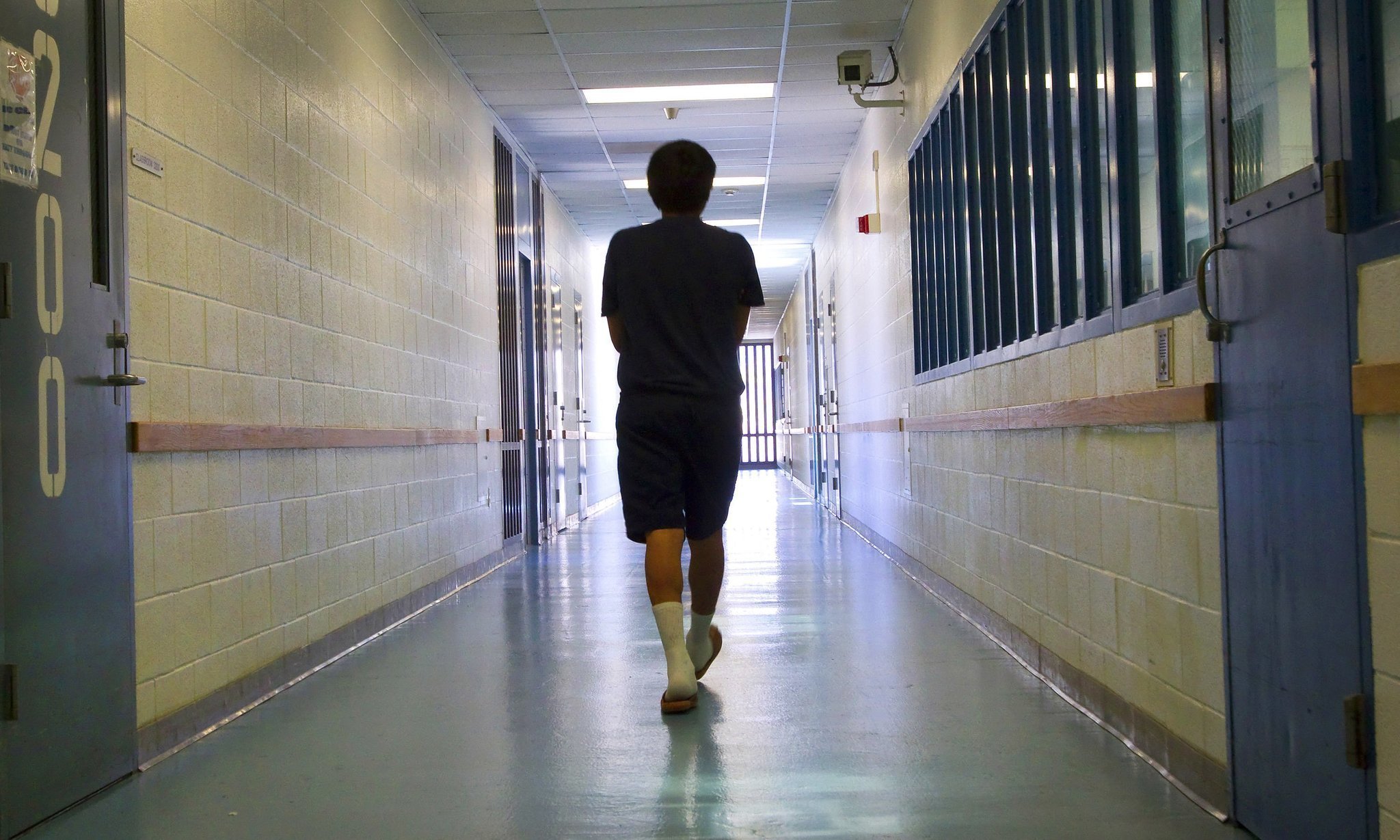
Theories on Juvenile Delinquency
No single theoretical orientation can adequately explain the multiple variables and factors that cause delinquent behavior, so criminologists have taken the best parts of different social theories and combined them to explain crime and delinquency.
Before we get into some of the particulars, it might be easy to think of three general theories on juvenile delinquency. The three theories are the anomie theory, the subculture theory, and the differential opportunity theory.
Anomie Theory
Anomie theory was first developed by Robert Merton in the 1940’s. Merton’s theory explains that juvenile delinquency occurs because the juveniles do not have the means to make themselves happy. Given their limited perspective, they often find that their goals are unattainable and so they often resort to unlawful means by which to attain their goals. To illustrate, a juvenile who doesn’t have money wants to get a job and purchase car to get to work…but they don’t have money. As a result, they might decide to steal a car or steal money to purchase a car.
Subculture Theory
In 1955, Albert Cohen developed the subculture theory, which is actually an amalgamation of several of his theories. Subculture theory posits that juveniles who do not “fit” and/or meet conventional social standards may seek validation from a subculture. The subculture group is formed of other juveniles who also do not meet conventional social standards. These groups then engage in behavior that is generally viewed not socially acceptable; and so, they actively rebel against socially acceptable standards.
Put another way, Cohen understands juvenile delinquency to be a product of society. Given this, when juveniles commit crimes, such as stealing, they do so because they are violating a social norm, and in doing so they signal conformity with their subculture.
Differential Opportunity Theory
Differential opportunity theory, developed by Richard Cloward and Lloyd Ohlin in 1960, believes that opportunity plays a role in juvenile delinquency. Cloward and Ohlin believe that if juveniles were presented with more opportunities to succeed, they would be less likely to turn to affiliation with subculture groups for validation.
Additionally, differential opportunity theory holds that there may be other circumstances besides social factors that contribute to a juvenile’s delinquency. For example, the theory posits that the juvenile may be successful during school but may fail to find gainful employment. The inability to find gainful employment can lead the juvenile to be delinquent (not simply social factors).
The differential opportunity theory differs from the subculture theory because there are reasons other than social factors that can lead a juvenile to be delinquent. If the juvenile has more opportunities, they will be more willing to succeed than to join a subculture.
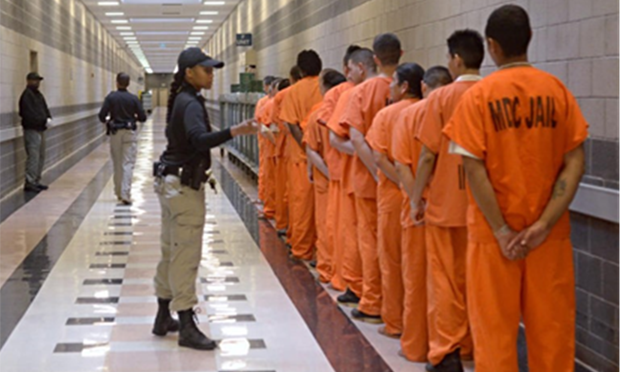
Additional Theories
Rational Choice Theory
Classical theory, also called Rational or Choice Theory, is based on the early writings of Cesare Beccaria (1738–1794) and Jeremy Bentham (1748–1832). This explanation assumes that crime results from a rational process in which offenders make decisions and choices, often planning their criminal activity so as to maximize the benefits and avoid the risks (see Cornish & Clarke, 1986, pp. 1–2).
According to classical theory, crime and delinquency are attributed to free will & voluntary choice. People commit a crime and engage in delinquency for the simple reason that they made an individual rational decision to do so. In light of this, it was assumed that because crime was a rational choice, offenders could be deterred by punishment.
Explanations of crime as a rational choice, while supported in some cases, is also disputed by scholars and researchers. In the latter instance, there is concern that the theory does not explain criminal behavior as much as it helps support a legal system that endeavors to justify punishments to “fit” crimes.
Interestingly enough, even though rational choice explanations do not always enjoy support across the board, they remain popular with the public. Likewise, they are widely supported by law enforcement, lawmakers, and even some academic disciplines, like economics, political science, and law (see, e.g., Cornish & Clarke, 1986; Akers, 1990).
Lawrence Cohen and Marcus Felson (1979) developed a version of rational choice theory called routine activity theory to help explain trends and cycles in the crime rate since the 1960s. They concluded that crime is related to the interaction of three variables associated with the “routine activities” of everyday life: the availability of suitable targets of crime; the absence of capable guardians; and the presence of motivated offenders. So for example, when looking at the crime of theft, it is assumed that when more homes are unoccupied due to more persons employed (and fewer neighbors, family members, or relatives looking after them), they are more likely to be targeted by unemployed teens or young adults.
The routine activity approach links delinquency to social conditions that increase opportunities for crime; likewise, they emphasize the role that the victim’s lifestyle and behavior play in the crime process. Felson (1994) described how growth and social changes in cities, neighborhoods, and schools have increased the likelihood of crime occurring.
There is evidence that supports the idea that a lot of juvenile crime reflects rational choices are being made, as crime has a tendency to occur when youth perceive that their chances of being caught are low; even if they are caught, many are aware that the punishment for juvenile crime is often much less than for comparable crimes committed by adults.
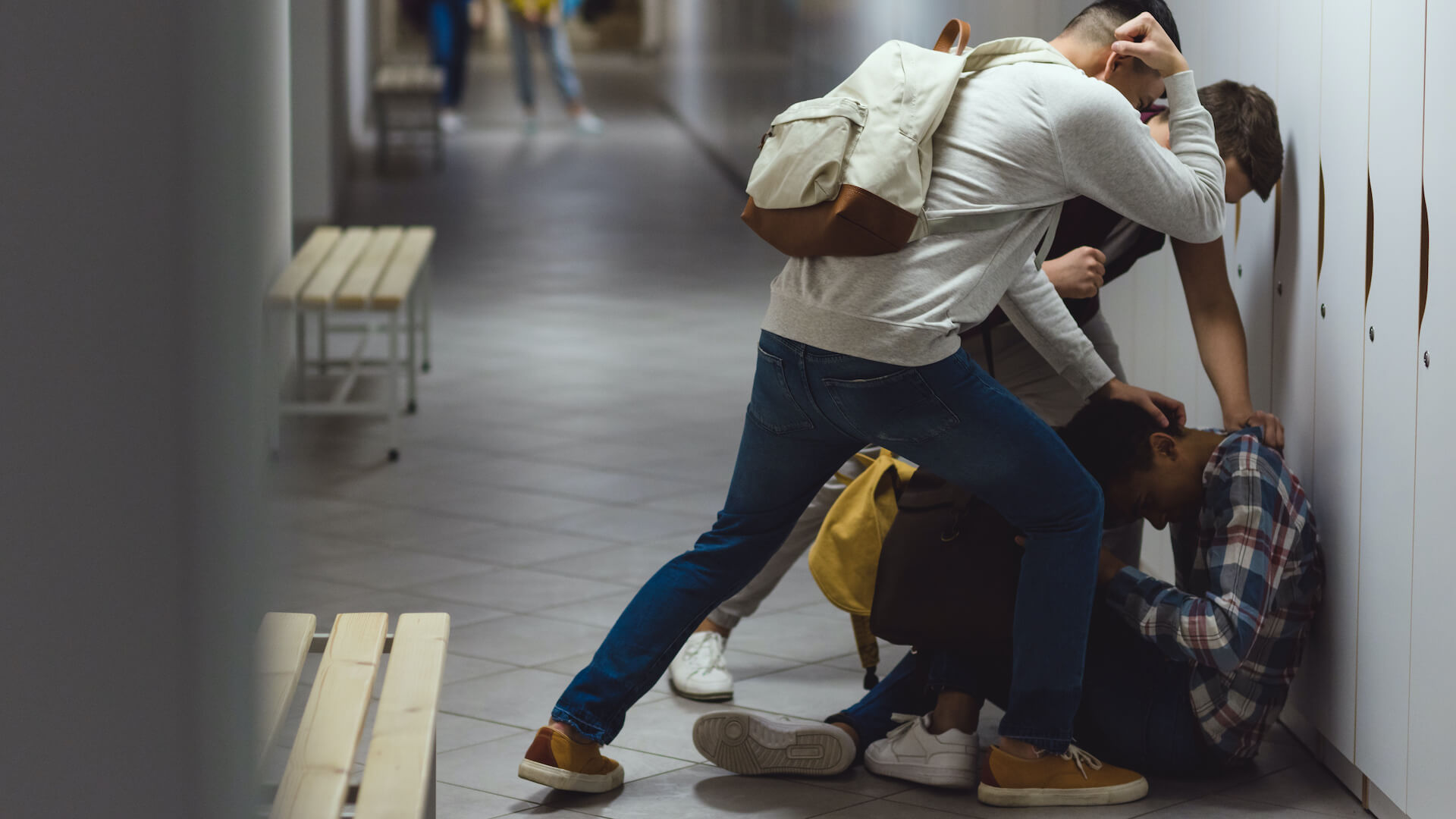
Critics of RC Theory
Critics of Rational Choice theory question the degree to which criminal behavior is always a rational, free will process. Ronald Akers (1990) questioned whether offenders really make rational decisions to commit a crime based on knowledge of the law and possible punishments. His research tried to establish whether or not decisions to engage in crime and delinquency were made in the absence of other situational factors that may have influenced them being committed.
Rational choice proponents, I should point out, do not always hold to a strict definition of rationality. Rather, they acknowledge that situational factors do affect individuals’ choices. Given this, efforts have been made to integrate rational choice theory with other theoretical explanations (see, e.g., Felson, 1986; Hirschi, 1986).
Doubtless, there are many crimes that reflect the rational choices of persons. This may especially hold true in cases of white-collar crime, which are committed by persons in the workplace and pose relatively little risk of detection, conviction, or punishment.
Strain Theories
Strain theories of delinquency explain the delinquency of youths as a response to a lack of socially approved opportunities. Simply put, it is a theory that explains delinquency as caused by the “strain” or frustration of not having an equal opportunity or means to achieve commonly idealized goals such as economic or social success. In this manner, we might also think of strain theories as structural theories, given how opportunities are not always evenly distributed and available to everyone, based on how they are situated within social structure.
Strain theorists regard juvenile antisocial behavior as caused by the frustrations of lower class youth when they find themselves unable to achieve the material success expected of the middle class.
Robert Merton (1957) was an eminent social theorist who elaborated strain theory from Emile Durkheim’s concept of “anomie” or “normlessness.” Merton applied Durkheim’s anomie theory as a means to explain how crime might result from the rapidly changing conditions in society; especially in societies where competition for success, wealth, and material goods are highly valued. Social disorganization leads to uncertainty, confusion, and shifting moral values, referred to as anomie or normlessness. Conditions of anomie exist when the rule of law is weakened and becomes powerless to maintain social control.
Given these social conditions, a conflict may result when persons with little formal education and access to economic resources are denied in their efforts to achieve the common goals esteemed in American society. This causes an individual-level conflict and may, furthermore, produce a sense of alienation, hopelessness, and frustration.
Merton claimed this experience of frustration may incentivize persons to engage in alternative/delinquent/criminal means in order that they may attain their socially desired goals.
Strain Theory emphasizes that most people share similar values, goals, and aspirations; but many people do not have equal ability or means to achieve goals, such as economic or social success. The discrepancy between what persons want and their limited opportunities to achieve them produces frustration, or “strain.”
Thus, under conditions of anomie, crime may be considered a “normal” response to the strain of existing social conditions.
Because opportunities for success are more open for the middle and upper classes, strain is experienced most by those in the lower socioeconomic classes, where quality education and employment opportunities are more limited. The strain and frustration resulting from blocked opportunities increase the likelihood that some individuals will use deviant and illegitimate means to achieve their goals.
Strain theory explains why many lower-class youth resort to theft, drug dealing, and other delinquent behavior when they perceive fewer legitimate means and opportunities to achieve their goals. Strain and social disorganization are similar because they emphasize the relationship between social variables such as poverty, economic opportunity, and available goods and services to crime and delinquency. Strain is more common among lower-class poor people, who live in rural as well as inner-city urban areas characterized by increased social problems and crime. Strain theory has been expanded and further developed by other criminologists. The
These opportunity–structure theories (Cloward & Ohlin, 1960) were instrumental to promoting government-funded policies such as “Head Start,” pre-K education, and jobs programs for lower-class youths as a way to enhance educational and employment opportunities and reduce crime and delinquency.
Robert Agnew (1992) extended Merton’s theory of strain and anomie to better explain varieties of delinquent behavior through the general strain theory. Agnew identified three sources of strain:
-
- Strain caused by the failure to achieve positively valued goals, basically the same as Merton’s theory of anomie.
- Strain caused by the removal of positively valued stimuli from the individual. Examples include the loss of a girl/boy friend, death of a loved one, divorce or separation of parents, or leaving friends and moving to a new neighborhood or school.
- Strain as the presentation of negative stimuli, such as child abuse and neglect, physical punishment, family and peer conflict, stressful life conditions, school failure, and criminal victimization (see Agnew, 1992, p. 57).
Agnew’s general strain theory in this regard has made an important contribution to explaining delinquency. Likewise, there is evidence that youth who report being “hassled” by peers, who have bad peer relationships, or experience victimization or similar “negative life events” are also more likely to engage in delinquency (Agnew & White, 1992).
Additional research supports this which finds that strains such as a family breakup, unemployment, moving, feelings of dissatisfaction with friends and school are positively related to delinquency (Paternoster & Mazerolle, 1994).
Simply put, strain theory helps to explain how stressful incidents and sources of strain in the life course influence patterns of offending.
Sociological Theories
Social control and social process theories represent yet another approach to understanding juvenile delinquency and crime. Sociological explanations emphasize social influences on individuals caused by the structure of society, societal change, social disorganization, subcultural differences, and social processes that influence behavior.
Social structure theories
These theories claim that forces such as social disorganization, status frustration, and cultural deviance lead lower-class youths to become involved in delinquent behavior.
Social reaction theories
These theories focus more on how society, social institutions, and government officials react to crime and delinquency than on why offenders commit crime.
Social process (control) theories
Social process explanations of delinquency focus not on societal structures but on social interactions between individuals and environmental influences that may lead to delinquent behavior. These theories argue that all individuals have the potential and opportunity to perpetrate delinquent or criminal offenses, but most refrain from such behavior because of fear and social constraints.
Among social-control theories are social disorganization theory, which relates to the inability of social institutions and communities to adequately socialize and control its youth; social-bonding theory, which holds that a youth’s behavior is significantly related to a social bond that ties a youth to the social order; and containment theory, which focuses on the quality and number of inner and outer containment mechanisms for controlling juveniles’ behavior.
According to control theory, delinquency is more likely among youth who lack social bonds and positive social interactions among parents and peers.
Social process (learning) theories
These theories generally emphasize explanations that explain delinquency on the basis of social interactions between individuals and social group influences that lead to delinquency.
Differential association theory was developed by Edwin Sutherland, who believed that delinquency is learned behavior as youths interact with each other. The theory is founded on a number of propositions (Sutherland & Cressey, 1970, pp. 75–77). Differential association theory holds that delinquency is a learned behavior as youth interact closely with other deviant youth:
-
- Criminal behavior is learned.
- Criminal behavior is a process of communication, learned in interaction with other persons.
- The principal part of the learning of criminal behavior occurs within intimate personal groups.
- When criminal behavior is learned, the learning includes (a) techniques of committing the crime; and (b) the specific direction of motives, drives, rationalizations, and attitudes.
- The specific direction of the motives and drives is learned from definitions of the legal codes as favorable or unfavorable.
- A person becomes delinquent because of an excess of definitions favorable to violation of law over definitions unfavorable to violation of law – this is the principle of differential association.
- Differential association may vary in frequency, duration, priority, and intensity.
- The process of learning criminal behavior by association with criminal and anti-criminal patterns involves all of the mechanisms that are involved in any other type of learning.
- While criminal behavior is an expression of general needs and values, it is not explained by those general needs and values since noncriminal behavior is an expression of the same needs and values.
Sutherland’s differential association theory stimulated considerable research on explaining delinquent behavior; it remains an important explanation for juvenile delinquency, as it is difficult to dispute the idea that crime is learned like other behaviors.
This explanation also has a positive appeal as it holds that youth are changeable and can be taught prosocial behavior. Delinquency prevention efforts have proven to be most effective when they are directed at reducing the criminal influence among groups of antisocial youths.
Burgess and Akers (1966) reformulated differential association theory according to operant conditioning principles; Akers (1985) further developed an explanation of deviant behavior according to a social learning approach.
Developmental or life-course theories
explanations attempt to account for differences between offenders who begin offending at an early age and continue offending, and those who begin in adolescence and grow out of it.
Intersectional theories take into account different interpenetrating social dynamics, such as those that involve race, class, and gender.
Ultimately, for juvenile justice researchers and practitioners, the best theory is one that recommends policies, programs, and strategies for effective crime reduction and delinquency prevention.
Discussion Questions
What might Social Learning theories tell us about what happens when juveniles exposed to different social problems (drugs, violence, poverty) are put into a containment facility together?
How might we use Routine Activity Theory to explain a convenience store robbery (remember the 3 variables – available target, the absence of surveillance, and a motivated perpetrator)?
Think of similar situations that you were in, where you decided to commit a crime or not (small or otherwise) for example, maybe you decided to steal something. Why or why not? What made the difference in your decision? What was missing from the three requirements for crime as a “routine activity”?
How might the fact that we live in a violent society that is perpetually at war contribute to the decision-making of youth, who make choices to engage in criminality, delinquency, and violence?
When dealing with juvenile delinquents there is a major problem with the sense of belonging. I believe they could have a different life if they, were presented with a situation that was different. If they had a powerful support system with reward that they considered worthy of earning like new car, money, and clothes and grew up in the suburbs they would not need to steal cars or clothes or rob for money. Due to their situation and choices they keep going backward. The environment, places, and people have a major impact on the people involved with low level crimes-drugs guns and poverty. This can affect everything they imitate and learn from the behaviors of the kids that they hang with the and adults that corrupt them. Kids are being brainwashed at a young age by those who are considered trusted adults because they are impressionable and want things like alcohol, weed, and partying. When you put two people with a complex and bad behavior it creates a volatile situation such as theft, violence, vandalism, bullying, and some of them use weapons to harm people for self gain or notability. If took out of said environment and given proper help, they could achieve with the best future possible with healthy relationships.
Social learning theories tell us that when juveniles are exposed to different social problems such as drugs, violence, poverty, etc they are likely to pick up on those bad behaviors from one another. Then, once placed together in a facility, they will continue to share those habits and most likely adopt them. Being surrounded by lots of other delinquent behavior will only influence it to happen more, especially at a younger age.
Routine Activity Theory explains how a crime in an everyday life would occur. 1 a motivated offender, someone who is willing to commit crime. 2 a target, person or property who is vulnerable. 3 The absence of witness, no one being there to prevent it. Going into a convenience store, there’s typically only one worker and customers. In this situation if there is a motivated perpetrator, a target such as a register full of cash, and lacking witnesses such as the customers, that perpetrator may take advantage.
There is no single reason why juveniles commit delinquent acts. Experts combine different social theories to better understand the many factors that can lead to crime.
Anomie theory says delinquency can happen when young people feel their goals are out of reach and they do not have the resources to achieve them, which may push them toward illegal behavior. Subculture theory adds that teens who do not fit normal social standards may join groups that rebel against those standards.
Differential opportunity theory focuses on how access to opportunities matters. When youth have more chances to succeed, they are less likely to join negative groups or become delinquent.
Strain theories also show that frustration from not having equal opportunities can increase the chances of delinquent behavior. Overall, environment, social groups, and available opportunities all play a big role in shaping the choices young people make.
When looking at juvenile delinquency through different theories, it becomes clear that crime is often influenced by a mix of social environment, opportunity, and individual decision-making. Social Learning theory suggests that when juveniles who are exposed to problems like drugs, violence, and poverty are placed together in containment facilities, they may actually reinforce each other’s delinquent behavior. Being surrounded by other delinquent youth can normalize crime, allow them to learn new techniques, and strengthen negative attitudes rather than reduce them. Routine Activity Theory also helps explain how opportunity plays a role in crime, such as a convenience store robbery. In that situation, crime occurs when there is a motivated offender, an available target like a store with cash, and little guardianship, such as minimal security or police presence. These same ideas apply to everyday situations where someone might consider committing a small crime. Even if a person is motivated and sees an opportunity, the presence of cameras, authority figures, or the risk of punishment often prevents the crime from happening. Finally, living in a society where violence is common and war is ongoing can influence youth decision-making by making aggression seem more normal or acceptable. Constant exposure to violence can increase stress, fear, and frustration, which strain theories suggest may push youth toward delinquency. Overall, these theories show that juvenile crime is not caused by one single factor, but by the interaction between social influences, opportunity, and how young people interpret their environment.
Social Learning theories suggest that delinquency is learned through interaction with others. When juveniles who have been exposed to things like drugs, violence, or poverty are placed together in a containment facility,they are likely to learn delinquent behaviors from one another through close and frequent interaction.The youth in these facilities may learn new criminal techniques like how to steal or sell drugs. They may end up adopting attitudes while away that justify delinquency. Instead of the focus being on rehabilitation, the facilities unintentionally become a place where delinquent norms are strengthened by peers.
You can use the Routine Activity Theory to explain a convenience store robbery with three points. #1You need a suitable target, #2 you need an absence of capable guardians, and #3 a motivated offender. The convenience store has cash, merchandise, and easily accessible goods.There may be no security guards, a limited employee presence, or poor surveillance. The younger offenders who are willing to commit the robbery, are possibly influenced by strain, peer pressure, or perceived low risk.
Social Learning Theory suggests that when juveniles exposed to social problems and are placed together in a containment facility, it may reinforce the delinquent behavior through peer interactions.
Routine Activity Theory explains that in order for a convenience store robbery to happen 3 key factors need to align. First, there’s the motivated perpetrator (someone driven by a desire for quick financial gain). Second, there’s a suitable target (a convenience store, which is often an easy and accessible target with cash on hand and minimal security). Finally, there is the absence of capable guardianship, meaning the lack of protective measures like security cameras, alarm systems, or attentive staff. When these three elements come together the opportunity for a robbery is created, making the crime likely to occur.
In a society, particularly one like ours, the constant presence of violence shapes youth decision-making by normalizing violent behavior, desensitizing them to its effects, and sometimes encouraging violence as a means of survival. When raised in environments like this, youth may come to see criminality and delinquency as logical ways to cope with feelings of powerlessness and a lack of opportunities. This mindset is often reinforced by the absence of positive role models and the dominance of violent subcultures.
The social learning theory basically explains in real world terms the saying” The blind leading the blind”. Basically saying that a variety of socials problems whether it be violence, drugs, etc.. surrounding a juvenile with other juveniles will ultimately increase the chances of juveniles continuing down a delinquent path and/or being introduced to new offenses or ideas.
One way we can use R.A.T to explain a corner store robbery is adequate guardianship, this can be used in a multitude of ways, with an absent guardian an individual might not have anyone to turn to for money to be able to afford essentials like toiletries or food, alongside the availability/convenience of a corner store being a quick hit, often times corner stores are seen as an easy target because 1.They have cash, 2.The stores are small making it easy to get out fast, and 3.The surveillance of these store are often not very high resulting in little to no repercussions.
Lastly, the fact that we are living in an evolvingly violent world can contribute to the rising number of delinquents in a couple of ways, firstly how it is being advertised to us. It seems as if everyday there is something new among the media concerning another crime or unfortunate event, to younger individuals this could be shaping what they see as “ The Norm” as well as those with a lack of guardianship or guidance this never lending exposure to violence or dehumanization of people might grow into a sort of survival personality which will only continue to bring them problems as they grow up, with the mindset of “as long as I’m not as bad as____. Combine this with the grouping of delinquents and it turns into a snowball effect of never ending criminal tactics and idealizations.
Social Learning theories say that criminal behavior is learned through interactions. This could lead us to think that the juveniles might learn from one another. This could really be harmful to the rehabilitation of the juveniles, making them more prone to commit other crimes they learned in containment. The Routine Activity Theory would help us understand the background of the crime. This theory looks at the scene of the crime and how susceptible it was to crime. So, for this example they would look at who was working, seeing if there was a reliable adult on the scene or not. They would see if there were security systems set up and if there was a connection between the perpetrator and the victim. For my example, I was in my car speeding (a lot). This was due to a frantic phone call from my friend. I decided to speed because I was on backroads and knew there was a lack of police presence and no traffic cameras. I also decided to do this because my friend needed me as soon as possible. This could teach the youth to act with violence as well due to them seeing violence in their communities. This could also make things more dangerous because if the youth is starting to act with violence, more youth will encounter deadly experiences and even some may die from their actions.
The juveniles may get along because they share a common social problem and the juveniles may clash because they have these social problems fueling them to go against one another.
Convenience stores are easy available targets because they typically have a few staff members working at a time, some convenience stores are family or self owned so the surveillance of the building is not always up to par or ran through an actual company that can secure the building, and lastly someone robbing a convenience store may do it for the products, money, or because of personal reasons.
When I was 6 I wanted a lollipop while I was in a store, but instead of asking for it I picked it up and put it in my pocket. I was a kid that didn’t know any better, when I got in the car later I pulled it out immediately to eat. My mom caught me and made me go back in the store to apologize to the cashier, and she paid for it. My mom gave me a lecture about how my actions were wrong, she explained that next time I should ask her. She made me throw the lollipop away so that I know I do not get rewarded for bad actions. The motivated perpetrator was missing from the three requirements for crime as a “routine activity” because I was only 6 just taking a lollipop because I wanted one not knowing I can’t always just take what I want.
The violent society we live in contributes to the decision-making of youth because they pick up on things that they see daily. When you are young you typically follow, learn, or practice behaviors that have been done around you. It has become the norm and environments have become used to exposing youth to criminal, delinquent, and violent behaviors.
Social Learning Theory is basically about learning from the people around you. When kids who’ve been around drugs, violence, or crime get put together in the same facility, they can end up rubbing off on each other in a bad way. Instead of changing for the better, they might swap stories, learn new tricks, or start thinking crime isn’t a big deal because everyone else there has done it too.
Routine Activity Theory says crime happens when three things line up: someone wants to do it, there’s something easy to take, and no one’s really paying attention. With a convenience store robbery, the person wants money, the store has cash or items out in the open, and there might be no security guard or cops around. When all that comes together, it makes crime more likely.
In everyday life, people make choices all the time about whether to do small illegal stuff, like stealing. Most of the time, people don’t do it because there’s a camera, other people nearby, or it just doesn’t feel worth the trouble. Sometimes you just don’t really feel like doing it. If one of those things is missing, the crime usually doesn’t happen.
Growing up in a society where violence is everywhere can mess with how kids think. When violence is always on the news, in movies, or in real life, it can start to feel normal. For some youth, crime or violence can seem like a normal way to deal with problems, get respect, or survive, which can lead to bad decisions.
Growing up around violence changes how kids see the world. When war, shootings, and threats show up all the time, it stops feeling extreme. It just feels normal. A lot of youth learn early that the world is not safe. That belief shapes how they move and how they think. Next, violence affects how youth make choices day to day. If you feel like danger is always close, you stay alert. You think about protection before anything else. For some kids, that means carrying something or acting tough. Crime can feel less like a bad decision and more like a way to survive. At the same time, the messages from adults and leaders feel confusing. Society says violence is wrong, but we see it praised during war or used by people in power. That double standard stands out. When youth notice that, respect for rules drops. It starts to feel like the system plays favorites. Also, stress builds up fast in this kind of world. Loss, fear, and pressure pile on, especially in Black communities. There are not always safe places to let that out. When nothing feels stable, acting out can feel like the only release. At the end of the day, the youth copy what they see. If violence looks normal everywhere, they learn it fast. If we want better choices, we have to model them. Kids need peace to be real, not just something people talk about. That’s when change starts.
The social learning theories say delinquency is learned through interaction with peers. Basically, when juveniles with different problems are grouped in places like juvenile detention centers, they may share techniques, motives, and rationals for the crime they committed. This interaction between juveniles can reinforce antisocial norms. So having the juveniles together can enhance the delinquency, suggesting a need for separation or better role models.
The routine activity theory can use a convenience store robbery as an explanation of a target (cash or easy-to-steal items), absence of surveillance (limited cameras or distracted staff), and a motivated perpetrator. These opportunities are created in everyday routines, suggesting prevention through increased lighting, cameras, or patrols.
If someone is in a situation where they decide to commit a crime, you can reference the routine activity theory. This person may choose not to commit a minor crime if one of the three elements are missing. Even with motivation and a target, the perceived risk, punishment, or moral restraints can deter this person from the crime.
Living in a violent, war-like society can normalize delinquent behavior for younger people. They are more constantly exposed to violence which can harbor frustration. Social learning encourages adoption of these violent norms. Weak social controls make delinquency, violence, and criminal behavior appear more acceptable.
Routine Activity Theory explains that when crimes are committed, there is a correlation with the following scenarios: The availability of suitable targets of crime, the absence of capable guardians, and the presence of motivate offenders. When relating this theory to explain a convenience store robbery, the available target must be considered. A convenience store that doesn’t have high foot traffic or a lot of workers would certainly be a top contender. When there is a lack of employees and customers, there will be less “eyes” on the offender. Next, the offender should also consider the possibility of video surveillance. They are more likely to choose a location that does not have any video surveillance at all, again making it less likely to be seen. The offender will also have to consider the staff- they may be more likely to commit the crime when there is a more vulnerable employee working. Lastly, the offender will need other equally motivated individuals to help follow through with the crime. This means that the offender will have others complete the theft, occupy the staff, and/or have a getaway option. The Routine Activity theory also states that social conditions are linked to delinquency. So, when a juvenile is in a social condition where there is a lack of supervision, or if they live in a high crime rate area, that increases the likelihood of committing crimes.
To answer the question of how our violent society might contribute to the decision-making of the youth, I believe society desensitizes the younger generations and makes it easier for them to make irrational decisions themselves. Just the other day, my 11-year-old sister was telling me a “funny story” that happened in her 6th grade class. While signing into a game, one of her classmates set his username to “Jeffery Epstein”. She claimed that this was a relatively good student, who she didn’t expect such behavior from. Our society is so violent, infamous people such as Epstein and P Diddy have become the laughing stock of middle and elementary schools. Our society has normalized violence for them, so much so that they begin to joke about it. I believe this could carry on into preadolescence, younger people committing heinous acts of delinquency while laughing and joking. It’ll be easier for them to make violent decisions because in their eyes society doesn’t take violence seriously. Even well-behaved children will begin to have delinquent behaviors because they won’t be able to acknowledge the difference between disgusting, criminal acts and the next running joke.
Social Learning Theory suggests that behavior is learned through interaction, observation, and reinforcement. When juveniles with different social problems such as exposure to drugs, violence, or poverty are placed together in a containment facility, delinquent behaviors can be reinforced rather than lowered. Youth may learn new criminal techniques or justifications from peers, especially if those behaviors are rewarded with status, protection, or acceptance. Instead of rehabilitation, the environment can unintentionally strengthen antisocial behaviors. Routine Activity Theory explains crime with three factors. A motivated offender, a suitable target, and the absence of capable guardianship. In the case of a convenience store robbery, the store provides an available target with cash or merchandise, the offender is motivated by financial need, and surveillance may be weak. When these three elements align in time and space, the likelihood of crime increases. Ive personally never been in a situation where I wanted or needed to steal or commit a crime like that. If there was a time, it may have been when I was younger and didn’t really understand any better at the time. No surveillance of parents, available in any big store with no real need to steal just because I was young, dumb and curious. Finally, living in a society that is frequently exposed to violence and ongoing war can normalize aggression and desensitize youth to harm. Constant exposure to violent media, political conflict, and systemic inequality can shape how young people view power, survival, and legitimacy. For some youth, violence may come to feel like a necessary response to stress increasing the likelihood of delinquent or criminal decision-making.
Social learning theories can help understand the reasons why putting different types of offenders into the same facility can cause different issues. Keeping large groups of juvenile offenders in a jail-like setting can cause other offenders to teach things to other offenders and cause a bad influence on all the people around them. Many younger people in this situation already have issues growing up for the majority and this could cause them to lean down the wrong path even more. Routine activity theory can show the different ways a juvenile may come to commit a crime. Let’s say there is a small shop somewhere. Maybe the juvenile visits everyday things have been rough at home for the juvenile and maybe their family has no money, and the juvenile isn’t getting proper care. This could cause the individual to notice this store doesn’t have proper security at night and there’s an easy way they could sneak in in the middle of the night to steal money from this small shop. The juvenile may feel inclined to do so or the need to because of all of the factors.
Some people nowadays don’t see the world as they used to as well with the media filling a pot. People don’t see actions like stealing and speeding as seriously as they used to. You see every day there’s a school shooting and there’s these outrageous crimes after another. Next, when someone thinks of robbing a store or even just trying to take 20 dollars from their parent’s secret compartment, these types of activities are not as frowned upon because they have seen so much worse. This causes a lot of issues where people may think what they’re doing is wrong because they can compare themselves to so many more evils.
Social learning theories can help understand the reasons why putting different types of offenders into the same facility can cause different issues. Keeping large groups of juvenile offenders in a jail like setting can cause other offenders to teach things to other offenders and cause a bad influence on all the people around them. many younger people in this situation already have issues growing up for the majority and this could cause them to lean down the wrong path even more. Routine activity theory can show the different ways a juvenile may come to commit a crime. let’s say there is a small shop somewhere one maybe the juvenile visits everyday things have been rough at home for the juvenile and maybe their family has no money, and the juvenile isn’t getting proper care. This could cause the individual to notice this store doesn’t have proper security at night and there’s an easy way they could sneak in in the middle of the night to steal money from this small shop. The juvenile may feel inclined to do so or the need to because all of the factors.
Some people nowadays don’t see the world as they used to as well with the media filling a pot. People don’t see actions like stealing and speeding as seriously as they used to. You see every day there’s a school shooting and there’s these outrageous crimes after another. Next, when someone thinks to rob a store or even just take try to take 20 dollars from heir parent’s secret compartment these types of activities are not as frowned upon because they have seen so much worse. This causes a lot of issues where people may think what they’re doing is as wrong because they can compare themselves to so many more evils.
The Social Learning theories tell us that when juveniles are exposed to different social problems and placed into a containment facility together, they will often learn from one another, exchange means of committing crimes, and will often develop more means and motives to commit criminal acts, like the need to conform, for example, and that among a group of juveniles, they will often begin to learn criminal behavior and patterns.
The Routine Activity Theory can be used to explain a convenience store robbery by explaining the variables and interactions that may lead a delinquent to commit the crime. For example, a delinquent might see an opportunity to rob a convenience store if the store does not have many employees, or if a store is left unattended during different times of day (available target). The other variables could be that the store doesn’t have security or cameras (absence of surveillance), and a delinquent may see an opportunity to commit thievery because they see something they want, or merchandise that is left unattended as well, especially if they cannot afford it. (motivated perpetrator).
I have not been in a situation where I decided to commit a crime, like stealing something, but I believe that the most defining factor for people who would choose to commit a crime like stealing would most likely be an open opportunity (like lack of surveillance or security), but a deterrent could also be a juvenile choosing not to steal because of the consequences, fear, surveillance, or simply because they know that it is wrong.
The fact that we live in a violent society that is perpetually at war may contribute to the decision-making of youth because the youth live in the world as sponges, and they consume everything that they see, whether it be through the internet or in real-life circumstances, they learn lessons, behaviors, habits, and motives from other juveniles or even adults. Living in a world that seems to be defined by violence, crime, and law, delinquents might be more susceptible to committing crimes, and more often will see committing a crime as a rite of passage, the norm, or a way to fit in with others who are also committing offenses.
Social Learning theory tells us that when juveniles are exposed to different social problems like drugs, violence, poverty, and then get placed together in a containment facility, this could worsen the situation. The theory predicts that more negative behaviors spread and there is no improvement. The youth can learn other criminal behavior from others, techniques, and possibly have their behavior validated since they are surrounded by similar people. Unfortunately these situations end up not helping the juveniles since the bad influence of others along with bonding over similar social problems.
Living in a violent society that is perpetually at war contributes to the violent decision-making of youth. Getting exposure to violence through the media, the community they live in, or ongoing wars, can make it seem to juveniles that aggression is the way to solve problems. They may think that being violent, forceful, and in control with dominance is the way to survive and be respected by others. Youth that experience poverty can also make their criminal behavior seem like a rational choice. They have limited options, and many things feel unattainable for them such as a job, school, or safety. The most practical thing in their mind would be illegal behavior since it could give them a sense of control, protection, and bring in money.
The Social Learning Theory is the Theory that juveniles learn how to commit crimes or act delinquent due to seeing it happen from their peers or other members of their community. This Theory says behavior is learned through interactions. So, if these juveniles are all placed in a containment facility together they will be bound to pick up some more skills learning them from each other. The Routine Activity Theory is a Theory that explains crime happens when three things are present. These three things are an available target, the absence of surveillance, and a motivated perpetrator. If you walk into the store and all three of these things are missing it was be easy to rob. If you walk into the food isle of the store and you really want a snack or you are really hungry but have no money that right there shows the motivated perpetrator and available targets then as you walk around the corner you notice there are no cameras, now that is absence of surveillance. This makes the crime much easier to commit, but removing one or all three of those things then that reduces the likelihood of a crime being committed. When I was little I was at the store with my mom and we were in the check out line and I just grabbed a lollipop from the shelf and put it in my pocket.I did this because I was young and had no money for it but I wanted it really bad. Just as I put it in my pocket my mom told me that that was stealing and she would pay for it if I wanted I just had to ask. In my case I had two out of the three variables in the Routine Activity Theory. Because the absence of surveillance was not a variable in my situation I got caught and did not commit the crime. The society we live in contributes to our youths behaviors immensely. The fact that our youths in this generation are growing up in a society thats constantly at war and has that “us vs. them” mindset this can contribute to their urge to commit crimes or act out violently. Young people may start thing that this way of violence is necessary to survive in this society. This is a bad way of thinking and needs a change in order to reduce crime.
Social Learning Theory helps explain how youth learn behaviors through their interactions with others, especially their peers. When juveniles with different social problems are placed together in containment facilities, behaviors can often worsen rather than improve. Instead of helping, these environments may normalize delinquent behavior, allowing youth to share and pass on criminal behaviors to one another. Young people exposed to drugs, violence, or poverty do not just bring their problems with them. They also bring coping strategies and mindsets. This can create an attitude of “if my friend can get away with it, I can too,” especially when youth are trying to fit in or gain acceptance.
When looking at stealing through Routine Activity Theory, teens often choose less crowded stores and go at later times when adults are not present. They may pay attention to where cameras are located, how many workers are on shift, and how engaged employees are. This shows the presence of a motivated offender, a suitable target, and the absence of capable guardianship, which makes crime more likely to occur.
I believe everyone has committed some form of minor crime at some point whether it is running a stop sign, speeding, or breaking small rules. Nobody is perfect, and no one is truly a saint. Often, the decision to commit or avoid a crime depends on the situation. Putting yourself in risky environments or bad positions can lead to negative outcomes, which is why it is important to think wisely about the choices you make.
Living in a violent society that is constantly exposed to war, conflict, and aggression also shapes how youth understand the world. Violence becomes normalized through media, news, and policing, and it is often portrayed as a solution to problems. This can make it easier for youth to justify their own aggression, leading to unstable and hostile environments that increase delinquency and violence.
I think that Social Learning Theory has a huge impact on why juveniles engage in delinquent behavior. The social learning theory tells us that juveniles learn from other people and social interactions. Putting juvenile delinquents in a facility together exposes them to more social problems. For example, if one juvenile has a history with substance abuse and another juvenile has a history with fighting and violence, each juvenile will become exposed to the other social problem in addition to the one they already had experienced.
We could use Routine Activity Theory to explain a convenience store robbery by addressing the target, absence of surveillance, and a motivated perpetrator. When thinking about the target, you must consider the availability and the resources. Being that this is a convenience store, there are convenient items like food, drinks, medicine, etc. The store is also open more hours of the day compared to other stores. The absence of surveillance could be that there are no guards or, depending on what time of the day you go, there could be nobody else there besides the worker. A motivated perpetrator could be someone in need of food or someone who needs money.
I have never been in a situation where I was contemplating committing a crime, so I cannot link any personal experiences to this example. I think that through war and some communities, violence can be too common that juveniles may think the behavior is okay and normal.
Social learning theories can teach us a lot about what can happen when juveniles are exposed to things like drugs, violence, and poverty. If these children are put into a containment facility together then it could cause some issues. For example, the other kids could learn undesirable behaviors from each other. Which causes the children to learn more delinquent behavior which teaches them to be smarter when committing crimes not stopping them from committing crime. Hypothetically if I were to commit a crime such as stealing there would be a couple reasons why I would do it. I would most likely commit a crime of stealing so that I can feed my family or get them money if they need it. But let’s say I have been hanging out with the wrong crowd, then I would probably steal so that I can look cool or fit in with them. But normally I would never steal because I was raised that way and I have no need to steal. Regarding the routine activity theory the missing requirements for this would be a motivated perpetrator, because like I stated before I do not steal and have no need to steal. Granted it is not the same for everyone and there are a multitude of reasons why people steal and commit other crimes
I think that social learning theories tell us that whenever you put juveniles in a containment facility together with different social problems it could potentially be very problematic. If the juveniles are not separated then it brings the risk of potentially kids learning new things that they shouldn’t be knowing or be involved with. If you have juveniles that were into drugs that are in the confinement facilities with violent juveniles then I believe they could introduce the other one into the things which would defeat the purpose of being at the containment center. As far as the Routine Activity Theory, I believe we could explain a convenience store robbery by first looking at the available target and acknowledging that a convenience store is able to be stolen from. Secondly, we must look at the absence of surveillance by either the convenience store itself or the absence of parental surveillance by the juvenile’s parents. For a similar story, I do not have a time where I committed a crime but I believe it is because I had strong pieces of the three ingredients of the routine activity theory. I believe that the fact that we live in a violent society definitely contributes to the decision making because it familiarizes them with these things. There are talks of war and violence that are all over the news and it brings this type of violence into the minds of juveniles and it could cause them to become more and more curious about these things and think that it is okay.
Social Learning Theory might tell us that if two people are struggling and then are placed together, it could cause more harm than good. It might cause more harm than good because they have the possibility of learning off of each other and adapting what was learned and inserting it into their own life. So now instead of struggling with one problem, they are not struggling with more than what they originally were.
We might use Routine Activity Theory to explain why someone might have robbed a convenience store based on the 3 aspects: a target being available, the absence of surveillance, and being motivated. The target might be essentials that they cannot afford: like food, water, laundry detergent, and clothing. The absence of surveillance is going to be a big deciding factor being that with a lack of surveillance comes an easier target. If there is no surveillance, they have a lower chance of being identified if they are not caught. No identification means severely reduced consequences. Being motivated is also a detrimental factor because without motivation comes no action. If the motivation is to make sure their family has everything they need for the time being, the perpetrator is going to do everything in their power to make sure their family is as secure as they can be. Without motivation could also increase the likeliness of being sloppy, and sloppy work could lead to higher risk of facing consequences. Higher motivations might lead to lower consequences.
Routine Activity Theory explains a convenience store robbery by showing how crime happens when three variables come together at the same time. First, there has to be an available target. In this case, the store is an easy target because it has money and is open late. Second, there has to be an absence of surveillance. This might mean that there are no customers around, the person who works at the store is distracted, or there are no security cameras. When no one is watching, the store becomes an easier target for robbery. Third, there has to be a motivated perpetrator. This is the person who wants money or goods so desperately that they are willing to commit a crime to get them. When all three of these variables line up at the same time, this theory says a robbery becomes much more likely because the opportunity is right in front of the person.
The Social Learning theories tell us that when you put juveniles who are exposed to different social problems, it could cause more of the issue than for it to be good. Others could learn the behaviors of the juveniles, and instead of the juveniles all being together trying to improve, they could learn new tricks and ways to commit crimes.
When we look at the key components in the Routine Activity Theory, we see how, when the offender is looking for an available target, they look for where the area is located and whether there is a lot of police presence. They also look for the types of items in the store, whether there are a lot of cameras, and whether there is any time when there is only one clerk instead of two. The second thing that they look for is the lack of guardians; it doesn’t always have to be law enforcement, but anyone or anything that can deter crime. The last step is the offender, this person has the full intention to commit this crime, whether they are just looking for some quick cash or drugs, this person is going to see how low risk it is, then act.
One time, I stole a bottle of detangler from Target when I was 16. This detangler was a popular brand, it’s called “It’s a 10,” and it was one of the best detanglers in my opinion, but it was $30 for a single bottle, and I couldn’t bring myself to pay that, but I really wanted it. The difference between me and the “routine activity was that I did not walk into the store that day with the plan on doing that, I did not scope out the area to see what would happen if I got caught, I simply just took it. I had many groceries in my cart, so I paid for the rest of those and went on my way. I was terrified of getting caught and have never stolen anything again, but many things were missing from the routine activity because I wasn’t planning to do that, so I didn’t have a direct plan.
I think that it is just the way that you have grown up. If you are from an area that is high crime, everyone around you is always getting into trouble, and you are constantly around the fact that all law enforcement is bad, then you are going to engage in that type of behavior because that is what you know. You see groups of kids getting involved in crime, and you can’t help but notice what is around them. When you are always around people who commit crimes and violence, then that is what you will become if you choose to take that route instead of trying to better your life.
Social Learning theory explains possibilities with juveniles who are already struggling and two of them are placed together. While reading explains how their behaviors can be learned through their peers and if they are surrounded by that, it can be encouraged and they may start to accept and even copy the behavior they are seeing. But it also shows how positive behavior can be learned if they focus on support structure and give positive reinforcements for good choices and behaviors. Routine Activity Theory explains how certain crimes like robbery can happen. It also explains how when crime happens, three things come together with a motivated offender, easy target, and little to no supervision or protection. For example, for a convince store the target would be the store itself, the little supervision is one worker with no security and very few cameras around. I think this shows how the opportunity and environment people are playing a big role in crime and not just someone’s choice. Living in a society that often faces violence can affect how younger adults and teens often act and think throughout their lives. The younger people often see violence in our daily news on social media and just around them in their communities so much it is their normal and they believe its how to handle their problems. When young people feel scared, angry, or unsupported, they might make bad choices or act out because they don’t know how else to cope. Sometimes they turn to crime or violence as a way to feel in control or protect themselves.
Social Learning theories tell us that when juveniles are exposed to different social problems and are put in facilities with other juveniles exposed to the same conditions, they are more likely to follow those problems through their actions. These theories all show that during the critical stages of development in juveniles, everything that they come into contact with has a higher chance of sticking with them. Society has a bar that sets certain ideas and actions as wrong or right under the law. Not only juveniles, but adults too are always testing the limits of wrong or right through their rational or irrational choices. This happens when they weigh the pros and cons of their actions. In other works, risk over reward. Overall, juveniles are hyper sensitive to ideas and behavior that falls outside of the realm of the societal norm. When exposed, and especially when taken into action, the chances of reversing the deliquent behavior lessens more and more over time. That is part of the reason the juvenile justice system focuses so hard on treatment for juveniles through rehabilitation.
Routine Activity Theory could explain a convenience store robbery through its 3 main variables: Available target, the absence of surveillance, and a motivated perpetrator. 1) Available Target: The target is the convenience store. It is operate by only a few clerks but contains tons of living necessities (food, water, hygiene products, clothing, etc.). There is also assumed to be money in the registers and possible safes in the store. 2) Absence of Surveillance: As stated before, there is few workers manning the store at a time. None of which are likely armed, or trained in defense. It would likely take a brief period of time for law enforcement to arrive and thats if they get contacted in a timely manner. 3) A dedicated perpetrator: The perp is not weighing what could go wrong in the operation. They know there is stuff in the store that they want, and they will do whatever is necessary to get it in the easiest way possible.
I commit the most common crime on a daily basis. The crime of speeding. I like driving fast and I like being at my destination the quickest way within my means. I make the decision to do this almost everyday because I am capable of doing so. I do it within my comfort zone and never exceed the speed limit to the point where I do not feel safe, my passengers do not feel safe, and where i fear losing control and harming others on the road. I do not believe anything is missing from the routine activity. The target is to arrive at my destination quicker. The lack of surveillance would be the lack of law enforcement or speed cams on the road. Lastly, I would be the motivated perp knowing that I am not considering the consequences of being pulled over, or worse, wrecking.
I think the biggest theme I have been seeing in modern society is the lack of rational choice. With society as a whole being at war, I think people don’t see wrong in their actions. What I’m talking about is seen most in politics, in particular, forms of protest/riot. It is overwhelming the demographic of youths 20s/30s that partake in these protests that do not think about the reflection that leaves. This can also be seen in digital footprints. I find it shocking that my age demographic has no issue going out and partaking in non-peaceful protest, post hate speech online, and showing overall aggression to those who do not think the same as them without even considering the fact that their employer may fire them, their family may not welcome them, or endless other consequences. Freedom of speech is such a beautiful thing, but I think people push the envelope in todays society. Aside from that aspect of individuality, there is little to no push for peace in the world we are living in. In my opinion, the media and political scope is aimed at promoting distrust and anguish among the people. So much violence has broke out just over the past few months within our cities, and instead of calling for a peaceful solvent of the issues we are facing, all sides of the spectrum are attacking eachother with earplugs in, not interested in coming to common ground. With all that being said, there is a lack of rational choice among the people in our society today. There is mass inequality and regulation.
Social learning theory helps explain why putting juveniles with different backgrounds and struggles into the same containment facility can have complicated effects. This theory simply says that people learn behaviors by watching others and seeing what gets rewarded. Young people especially are influenced by their peers because they are still forming their identities and trying to figure out where they fit in. When juveniles who have been exposed to drugs, violence, or poverty are placed together, they may begin to influence one another in powerful ways. For example, if one teen brags about criminal behavior and receives attention or respect from others, that behavior can seem normal or impressive. Over time, others may imitate it because they see it being socially rewarded. This can lead to what researchers sometimes call “deviancy training,” where negative behaviors are reinforced rather than reduced. At the same time, the environment of the facility matters a lot. If staff members consistently reward positive behaviors i.e. cooperation, emotional control, education, youth can also learn healthier patterns from each other. In other words, social learning theory suggests that the outcome depends on what behaviors are modeled and reinforced. The facility can either strengthen delinquent behaviors or help young people build better ones.
Social learning theories tell us that criminal behavior is learned from family or social groups. For example, kids can learn that stealing is okay if their older sibling does it and does not get caught. The availability of suitable targets would be the clerk, and most robbers know that later in the night, the money would be locked away. So, they will choose a more suitable target to go against. Most teens can go into stores alone without a capable guardian. Also, if the crime is committed later at night, the store will have fewer people than during the daytime. If I were to commit a crime or not, two thoughts would come to my head. Number one would be how pissed my parents would be, and number two is what the cops would do to me if they caught me. I don’t think kids are as scared of the cops or even their parents for punishment. People now look at tough parenting as “abuse”, and I think this is a reason there is an increase in juvenile delinquency.
Social learning theories can tell us many things about what a person may be exposed to within their family or social groups when it comes to drugs or violence. For example, if a teenager has an older sibling or a friend who does a drug such as cocaine or heroin, it may lead to them doing the same kind of drugs as long as they aren’t being caught. That teenager will learn that it is okay for them to use a certain drug as long as they aren’t being caught by law enforcement or if they aren’t being harmed by that drug. If they see their friends getting by while using drugs, the teenager won’t think twice about using it, because it didn’t show any serious effects on their friend. When it comes to violence within the family, such as having an abusive parent, this kind of behavior can be passed down to the teenager if they notice that using force on the children within the home cause people to be submissive. The teenager may use this when they become a parent later on and the cycle continues, or the teenager may take that kind of violence with them on the streets as they join a gang and realize that gang will not only intimidate people, but make them submissive just like how the parent made them submissive at home.
Containment facilities could be a good place and bad place for juveniles. The kids could pick up behaviors from peers. Behaviors would be approved by peers, and the behaviors are likely to be repeated and even possibly worsen. When juveniles are put in a containment facility, it reinforces a “deviant” identity, and the youth would continue to internalize and act upon the label. Convenience stores can be predictable like when there is shift changes. There are fewer staff and convenience stores tend to be smaller. Since these stores tend to be smaller, there would be limited surveillance. Kids see so much violence every day and they start to think it’s normal. There’s a possibility that kids will do things that they see as a normal thing to do.
There is a strong emphasis placed on the Social Learning theory as an explanation that explains delinquency on the basis of social interactions between individuals and social group effects that lead to delinquency. If a group of juveniles are placed in the same confinement facility together and are exposed to a variety of social issues, such as drug use, violence, and poverty, we should conduct a more in-depth investigation into the characteristics of not only the offense, but also the social aspects that surround them, such as their community, their family, and their friendships. We should not simply focus on the actions of the offenders; rather, we should concentrate on the reasons why they committed these crimes and the factors that led them to engage in criminal behavior and find ways to help them and their communities. If we accomplish this, we will be able to develop successful measures to help youth steer away from criminal activity at the community level. It is known that we live in a society that enjoys locking up anyone, regardless of the offense or the age, but our society needs to stop just locking juveniles up and delve deeper to comprehend what the living conditions of some of these kids might be like if they choose to engage in criminal behavior that result in them being sent to jail. We cannot just blame these individuals when other circumstances are also to blame.
Without a doubt, there are numerous theories out there that try to explain the existence of crime. However, none of them can be defined as an absolute ruler as to why people get involved in criminal behavior. Nonetheless, the more research there is out there the closer we come to understanding crime as a whole. For example, It is certain that humans are capable of making rational decisions and as Beccaria and Bentham state, an individual commits a crime with the intention of maximizing benefits and avoiding risks. Thus, we can conclude that one way to reduce crime is to deter offenders with certain and swift punishment. However, if we throw strain theory into the mix we can argue that crime is a desperate last resort to an unfairly structured society where the most vulnerable ones are the younger ones who lack educational and economic opportunities. Thus, as strain theory states, it increases the likelihood that some individuals will use illegitimate means to achieve their goals. If we keep strain theory in mind, punishing an individual will most likely not deter them from committing a future crime. If crime is the result of social frustration, punishment does nothing to alleviate this frustration. However, if the most needy are given a legitimate opportunity to achieve their goals, they will most likely refrain from inclining towards committing a crime.
We can use routine activity theory to explain a convenience store robbery by starting with the absence of surveillance. Convenient stores can be robbed due to their surveillance in the eyes of the perpetrator if they are closed, so nobody is inside, or because typically few people and maybe even only one person can be working, so when they are absent then that would be a perfect time to rob. The perpetrator though had to have been motivated to commit this crime, and this motivation could have come from not having money to buy the items stolen or even traits picked up from these seen around in the community on a daily basis. This convenience store could have been the available target because there could not have been other available convenience stores and possibly the area in which the conscience store is and could make it easier to get away with. The reasoning for many violent crimes done can be the reason for rational poor decision making in the youth. When juveniles see violence they grow up thinking this is normal and how everybody acts, so they perform these same actions. The more violent the crimes seen, the more violent crimes performed because instead of thinking of consequences, the idea of fitting in and feeling ‘normal’ takes over.
Social learning theories, as stated in the post, emphasize that delinquency develops depending on social interactions between individuals and other social groups. When juveniles exposed to different social problems, such as drug, violence, and poverty, are put into a containment facility together, Social Learning theories tells us that these interactions between the incarcerated youth and both their parents and peers should be investigated rather than simply just ensuring that these youth are taken off the streets. Juveniles exposed to difficult or struggling habitats often tend to fall on a decline not only having either parents or peers that aren’t positive impacts on their life but also having no choice but to for survival. This process makes it hard on juveniles to create a positive pathway for themselves and, in result, their involvement with drugs and crime becomes more likely and then they land behind bars having no one that truly cares about them. By the time that they realize, they are adults with a criminal record. As the next question states, the fact that we live within a violent society that is perpetually at war contributes to the decision-making of youth, especially the ones who engage in criminality, delinquency, and violence. We pay the government daily to go overseas and use weapons to fight other countries to not only protect the citizens of this county but to uphold our name as one of the most powerful countries in the world. Then we teach about these wars and acts in elementary and middle schools. However, when juveniles participate in the same acts, sometimes to either survive or protect themselves, they are locked away and forced to survive on the inside.
The routine activity theory helps develop the trends and cycles in the crime rates since the 1960. The theory includes three variables. The variables are the availability of suitable targets of crime, the absence of capable guardians, and the presence of motivated offenders. When using the scenario of a convenience store robbery, the routine activity theory can be used to help explain why the robbery was done. Firstly, the availability of the suitable targets either have one person, the clerk, or the robbery would be done at night time when the store is closed. Most likely, robbers know that the money would have been locked away at night so they would do it at a time that has a more suitable target to go against, that being the clerk. Most teens nowadays can go to a convenience store alone without capable guardians. Also if the store was targeted at a later night, the store would be dead compared to earlier in the day. These stores are also often targeted by unemployed teenagers or young adults who have had no business making real money.
Dr. Trappen 1/17/24 Website post #1
To start off this was a very interesting read, and I think that there are so many different factors that go into why delinquents do what they do. And of course, I don’t think we will ever be able to solve the entire issue of that but there definitely must be ways to help fix this issue and lower it. I think that when I committed a crime and stole something or didn’t, two thoughts came into my head, number one, what are the police going to do to me if they catch me, and number two how pissed would my parents be if they caught me stealing. And I believe that is an issue now a days and why we see a lot of delinquents, I feel first that kids are not afraid of the police as much as they should be. And number two I don’t think kids are scared enough of their parents. I think parenting has gotten soft over the past few years, because it’s “abuse” or it’s not good to “discipline” your children. And that is why we have seen such an increase. Regarding the routine activity theory, I think that 2 of those parts are to why we have seen an increase, the absences of capable guardians is one of them, and the Prescence of motivated offenders have gone up, because of the absence of capable guardians.
I think that Juveniles that have been exposed to diffrent social issues are likely to continue down a path of offending if they are kept in an containment facility together because we as humans learn from each other. For a lot of kids I feel like there’s an enviormental conpnet we all have a clique and we all have our own way of choosing whats right and wrong if you are around peole who make it seem like making wrong decisions is right. Until you come into being your own person trying to fit in is what usally happens until you get older and see things for how they are. To explain the robbery parents are not always home watching everything their kids doing I would say it makes it easier to do whatever they want nobody’s watching them so they maybe don’t think about the concequences. When I was in middle school I was friends with the wrong kids who at that age I thought knew more than my parents we would go hang out at rite aid because it was our meeting ground, until the day the girl I was friends with started stealing food and snacks from it I was confused on why she asked to use my bag before we went in the store by the end it made sense as she’s running out of the store the clerk was chasing her now I didnt run because I had no clue what was going on. I eneded up getting in trouble having to call my mom because they wanted to call the cops on us, the girl texted me later beging me not to tell them her name because she couldn’t affored to get into any more trouble. I would not have hung out with her if I knew what she got into. Everything around us is violent. Parents let young boys sit and play shooting games for hours how are we expecting for there to not be violece. Game systems are like a fantasy if you play them for too long which can mess up development in thr brain for growing kids.
Each theory makes a good argument as to why some people choose violence and what factors influence those behaviors. “Rational” or “choice” theory states that people simply make decisions and choices before they choose to commit a crime. Which is not fully accurate. People make choices based off what they have been exposed to, how they were raised. No one just wakes up one day and chooses to commit crimes. For example, when someone is caught shoplifting there not doing it because it is coinvent and they want free stuff most people are doing it so their family can eat. I grew up in a lower class community where I witnessed it often. It was not unusual to be in a grocery store and see someone stealing. I’m not going to label them a criminal because their trying to feed their family. I honestly believe unless your put it in those situations you should not judge someone for what they have to do. Also, it is a scientific fact that your brain does not stop developing until you are 25. Which means a lot of decisions made when crime is involved aren’t rational decisions. Everyone is not always in the best head space as well when it comes to making decisions.
I personally believe that the social learning theory told us that if kids that were around things such as drugs and violence were put into another facility with other kids dealing with the same problems. It could most definitely influence them even know they are in the programs they are still talking about it with other kids and even making friends with people they should and could go on and are more likely to commit another delinquent act. In routine theory, there are 3 elements that go into the robbery. First is their motive for the robbery, second is it a suitable target and the absence of a capable person. So did the person do anything to you, is their cameras in the store, and is there someone that could stop you. I think being in the world now makes you more likely to steal things seeing people running into the WHITE HOUSE really makes you think you can do more than just steal a candy bar. I think you make decisions on your own but your parent and the way you were raised plays a big factor on how you behave.
Routine Activity theory was derived from rational choice theory by Lawrence and Marcus Felson in 1979. The theory is based on three factors, those of which being, “the availability of suitable targets of crime; the absence of capable guardians; and the presence of motivated offenders.” This theory can be used to explain crimes such as burglary. If a family is out of town on vacation, the house is unoccupied. This leaves an easy target. With the homeowners being away, the capable guardians of the house are not there to protect it. An easy target with no one protecting the house essentially leaves all the opportunity for burglary. To take it into a personal level, there has been many times where I would have been able to steal from a store. Whether it be from a clerk not paying attention, or simply no one was there to stop me. The first two parts of routine activity theory where there. However, the last part was not there for me. I had no motivation to steal. The only difference in my decision making was that I did not want to break the law. Decision making of the youth can be heavily influenced by society. From a young age, everyone is trying to find their place in the world. Some youth resort to joining gangs to fulfill their lack of family like security. Others steal due to them being denied access to basic necessities.
We can use the routine activity theory to explain a convenience store robbery. The routine activity theory states crime is related to the interaction of three variables that are associated with the “routine activities” of an individual’s everyday life. The three variables are the availability of a suitable target, the absence of capable guardians, and a motivated offender. When we look at the example of a convenience store robbery; the suitable target is the cashier, there are presumed no other people in the store or at least no police officers in sight, and the individual is motivated to commit the crime for a number of different reasons. Social learning theories can tell us about what happens when juveniles are exposed to different social problems and are then put into a containment facility together. Social learning theories explain that delinquency focuses on social interactions between individuals and environmental influences that lead to delinquent behavior. If an individual is exposed to violence and then is in a containment facility with another individual that has the same social problems, one can teach another how to commit a certain crime. There can be discussion on where the best location that police patrol is limited and where to buy certain drugs, etc. A juvenile can easily learn many different things from a peer or even a parent simply by listening and/or watching their actions. This could ultimately lead them to be involved in a life of crime.
The social learning theories may tell us that when juveniles who are exposed to different social issues then put into a containment facility together, they will learn crimes from what each other have done which can be worse than what they were already exposed to. These juveniles may have only been exposed to minor things in society but now that they are surrounded by other offenders they begin to learn about worse things like drugs and violence. The Routine Activity Theory can explain a convenience store robbery with its three variables. When you go to a convenience store there is usually nobody in there or a minimum of guest in the store this gives the robber an available target the sales clerk. The absence of surveillance can offer an opportunity to the robber to have a motive, the robber may think since he’s living in poverty and struggling that this might be the only way to provide for themselves and knowing there is no surveillance give them motive. When I was younger, I would always go grocery shopping with my dad and at the grocery store they would have big bins of candy with a scooper. Every time I would go into the store, I would take a piece of gum and chew it. At the young age that I was doing this I thought nothing of it. It wasn’t until my dad eventually seen me doing this and explained to me that you can’t do that when I realized it was wrong. I did it because I wanted it and I didn’t know that it was wrong. I didn’t have a target, I just wanted to chew some gum. I’ve never done anything violent but my decision not to is because I have never had the urge or need to be violent.
Social Learning theories may explain crime and delinquency when juveniles that are exposed to different social problems are put into a containment facility together. Going off of these theories, if a juvenile went to a containment facility for a minor drug crime, they would be surrounded by many people who are there for many different crimes. If this person with a minor drug crime is surrounded by all of these people, they will begin to learn how to do different crimes and better ways of doing them. We might be able to use Routine Activity Theory to explain a convenience store robbery by remembering the three variables in this theory. A convenience store is an available target because usually, there is probably only one employee working there at a time. Most convenience stores do not have the funds to have adequate surveillance at the store. Lastly, a motivated perpetrator in this instance might be a young kid that does not have money to buy things, so they decide to steal. In this model, a kid may assume that the chances of being caught are low due to the lack of people and surveillance. The fact that we live in a violent society that is perpetually at war can contribute to the decision-making of youth who engage in criminality. Kids grow up watching violence and crime on television, in video games, and on the news. Society in a sense is obsessed with crime as we see on the news every day. It almost seems rare that the news channels talk about anything happy and/or good. Since kids grow up watching all of these things based on crime and violence, it makes the kids think this is normal and that they can do crime too.
By using the Routine Activity Theory, we could try to explain a convenience store robbery by saying there was an increased opportunity that was created by social conditions, for example, lack of security, availability, and a socially conditioned target. The routine activity theory was developed in a spinoff of the rational choice theory. The three main components of the routine activity theory include the, ” availability of suitable targets of crime; the absence of capable guardians; and the presence of motivated offenders”. Obviously a convenience store would fall under the the first component as a suitable target; because convenience stores are robbed frequently. Convenience stores fall under the second component of the theory as most convenience stores lack security guards because they are small and low key. So there isn’t a presence of “capable guardians”. Since the first two components show convenience stores as vulnerable, thats why theres a presence of motivated offenders which falls under the third component of the theory. The motivated offenders see theres an opportunity to potentially get away with the crime of robbing a convenience store, so they chose it as their suitable target.
Yes. Everything that you point out is true. Add to that the fact that a lot of young kids frequent/hang-out around corner convenience stores. The stores are an easy target because they are familiar turf; they constitute a proving ground of sorts, when kids are trying to impress their friends by stealing, acquiring “respect/street cred,” etc.
Delinquency is often linked to social conditions created by society that increase opportunities for crime according to the routine activity approach. The victims lifestyle and behavior plays a monumental role in the crime process. Along with this there is evidence that supports the idea that most juvenile crime reflects the rational choices being made. This happens because crime occurs more so when youth offenders think that chances of being caught is low. But even if the juvenile offenders are caught they still realize that the punishment is often less since they are juveniles and not adults committing a crime. This is just another version of The Rational Choice Theory which in summary believes that the person committing the crime makes the choice or decision to exhibit criminal behavior/activity. But in doing so the offender decides it’s the rational choice to commit/plan crimes to maximize their own personal benefit and avoid risks at all costs. The concern with this theory is that it doesn’t explain criminal behavior enough but more than ever helps the legal system to justify punishments to such crimes.
Good catch! Yes, rational choice theory can explain some aspects of juvenile offending but not all. Furthermore, there is overwhelming evidence that the brains of young people do not approach full development until the early 20s. Given this, it is difficult to assign the full weight of blame to young people for their decision-making, as research demonstrates they don’t process risk/reward in the same manner as an adult. More often, they tend to downplay risk in efforts to attain rewards in ways that adults find difficult to understand; their decisions are not always fully rational even if they are willful.
Whenever someone hears about delinquency they often think of the young black kid living in the hood selling drugs, or that is what many white people think of when they think of troubled youth. I know I did for many years until I realized it is much more complicated then race, social status, poverty level, etc. It is not one thing that makes a child delinquent, but rather a combination of elements that researchers think may play a role in the development of their crime related activity. Many researchers have studied poor young African American youth from neighborhoods that have high crime rates and high levels of poverty, while this does give us important data, I wonder how it compares to poor white people. Places like Western PA, West Virginia, Ohio, etc. have extreme amounts of white people living underneath the poverty line, on drugs, little job opportunities, and no growth within their own communities. With that being said the youth of these areas are similarly affected of the youth in the inner cities. There is little to no opportunity for youth to succeed in a declining area. “Because opportunities for success are more open for the middle and upper classes, strain is experienced most by those in the lower socioeconomic classes, where quality education and employment opportunities are more limited. The strain and frustration resulting from blocked opportunities increase the likelihood that some individuals will use deviant and illegitimate means to achieve their goals.” All youth with lack of opportunity will resort to deviant behavior given the lack of resources in society, however we only hear about young black/Hispanic males from low income neighborhoods resorting to this behavior. In my opinion this is absolutely despicable for all youth involved. This creates a lack of resources for all youth and in all communities across the nation only resulting in furthering the problem.
Social learning theories might tell us that when juveniles are exposed to different social problems that are put into a containment facility together that people will learn worse crimes. If someone was put into jail for a minor crime, they would be surrounded by people who committed worse crimes. This in return will expose the person who committed a small crime to learning how to commit worse crimes. We might use Routine Activity Theory to explain a convenience store robbery because there tends to be a little amount of people there so that would make them an available target. Next, there would be an absence of surveillance because it is a small store usually with one cashier. Lastly, a motivated perpetrator might be someone that was let go by the store. Juvenile crime would happen here because there is a low risk of being caught. I have never stolen something from a business but I knew people who did. Their main deciding factor in stealing was a lack of surveillance. The fact that we live in a violent society contributes to the decision-making of the youth because they think that violence is normal depending on where they grow up. Especially with a society that is perpetually at war, it makes the youth think that they can partake in criminal behavior because it is normalized on television on the news.
I personally believe every theory makes a compelling argument for why people either choose to be defiant voluntarily or because other factors lead them to choosing a criminal lifestyle. Having grown up in a lower-middle class family in a lower-middle class neighborhood, I believe strain theory is most accurate regarding why individuals choose a criminal lifestyle because I think that most would choose against such a lifestyle if other opportunities presented themselves. However, I do also agree with the sociological theories primarily because individuals most often times are product of their environment, therefore I believe much of their actions are dictated by the sociological factors that influence them. Examples of sociological factors would include family, peers, schools, and others. These are critical components of an individuals’ character and influence, which ultimately effect mindset and purpose (or lack thereof). Lastly, I do also believe that there are individuals that grow up with strong families, good peer groups, and solid education who end up choosing a criminal lifestyle. I think these are outliers but nevertheless do exist.
I believe whenever it comes to these topics or thoughts I feel as if it made a lot of sense. I feel as if that young people are being Misplaced and/or misguided while growing up. For most kids in my districted were either not properly raised right that did not have two parents in the household, this causes them to not know right from wrong and can result of them being arrest later in life just because they don’t have the knowledge. I believe that being at a young age and having responsibilities is a very huge part of their lives but I can not say that is these children’s fault because they just haven’t learned right from wrong. Younger kids brains are not fully developed which is not the child’s fault but they are just taught that some how. Kids these days wanna have that feeling of living on the edge or “kids just being kids” which is saying they are just being deviant. What should be do, should we sit these kids down lock them up for a night? What can be done to show that these kids are just bored and mischievous? The sad part is that kids just feel that they need to commit these petty crimes and/or deviant children. I just feel as if these children just are not grown up yet and will learn with time.
The two main theories of causes of delinquency that I am most familiar with are strain theory and rational choice theory. Rational choice theory explains that it takes a decision to commit crime, and that offender has a choice whether or not to commit that said crime. Rational choice theory also has many factors that are included, such as the level of guardianship one has, the type of neighborhood they live in, and how bad that area is sustainable to crime. Strain theory also goes off of these topics. Strain theory states that “crime may be considered a “normal” response to the strain of existing social conditions.” These social conditions (stated above) play a big factor on strain theory. Someone may be feeling a strain in their life, causing them to commit crimes such as theft, drug dealing, drug usage and many other crimes, just to cope with the pain. Strain theory can be activated by many different things such as at home life, problems at school, or one’s social life. These things take a big toll on how one will act, and respond to the world and how they perceive it. Social learning theory is also a big factor here. How they spend their time with others influences them in a big way. Also when they get locked up and have to do rehab for the crime they commit, it also matters how they are treated when they are there, and who they are hanging around with at the rehab facility also. The rehab facilities are filled with people just like them, so social influence can be a really bad factor here. Back in the day when I was in high school in my early teen years I wasn’t hanging around the best group of people, and they influenced me to do some bad things. As I grew up a realized that it wasn’t the road that I wanted to keep going down. Using rational choice theory I decided to remove myself from the group and to no include myself in delinquent behavior.
I believe that the theories mentioned in the article post are a great attempt to explain why delinquents behave the way that they do. In reality, social interactions amongst people within a specific social class plays a major role in delinquency. Everyone makes rational and irresponsible decisions, but when the peers you affiliate yourself with on a day to day bases are partaking in deviant behavior, you too then think that behavior is normal. For an example, 3 of my older male cousins grew up into the street life where they sold drugs, stole cars and carried guns. Although they were all academically gifted and talented in basketball and football, the social crowd that they were used to was the “Ghetto Lifestyle”. They lived no more than 2 miles from the nearest housing complex where all of their friends lived and suffered from low economic support in their households. By them constantly hanging out in households where their mothers were the breadwinners and the fathers being locked up in jail or prison, the children were forced to partake in criminalistic/delinquent behaviors to get things they wanted. In most of the African American households, these behaviors are considered to be normal because of the social pressures that society places on us.
Social learning theory tells us that Juveniles who are exposed to drugs poverty are put into a containment facilities together were they can possibly be influenced by an individual or environment to commit a delinquent act. To explain a Convenient store robbery by the routine activity theory, we will have to take in consideration the three variables. First we will see if the convenient store was a suitable place to commit a crime. things I would look for are surveillance, an alarm system, locks on doors etc. Second we will see if the suspect has a suitable living situation. Also a guardian to make sure the suspect had adult supervision watching over them.. Last I would see if there was any accomplices anyone motivating or influencing the delinquent juvenile to commit this crime. When I was young in one of the neighborhoods I lived in we used to live by the sheetz. A couple times after school I would go into the sheetz and still a pack of gum or a bar of chocolate. One of the reasons I would do that is because I didn’t want to bother my mother for money. She was always paying bills by herself, I always felt she didn’t have it so I was just steal it. There were cameras in sheetz, and I did have supervision over me. I think the factor that played the biggest was my older brother. I saw my older brother steal playboy magazines out of sheetz. He was my motivator into doing delinquent acts.
I think when it comes to theories a lot of these do make a lot of sense. In my own opinion i feel like a lot of young people are misguided when they are growing up. They are either not raised properly with the knowledge of knowing what can get them in trouble and possibly result in jail time or they are just ignored and not taught at all. I understand that even at a young age that responsibility is a very important thing and i am not saying that they shouldn’t be the ones to blame because they are the ones making the decisions. However, they are not the only was at fault here. Kids and teens feel the need to be chaotic and not listen and do what they are told. The parents have to draw a fine line between what is okay and what is not okay. The sad thing is that some of these kids aren’t even raised by their parents and are forced into a foster home and even more of a reason to be delinquent and disobey the rules. I feel as if these teens aren’t getting enough attention and maybe that can result in some of this. Regardless of how you look at it, it is a big problem and it somehow needs to be resolved in someway. It can be very sad that some kids feel no other way than to commit crimes or if they have no where else to turn in some scenarios. Either way to raises aloe of unanswered questions that need to be answered. The future of our country needs to be leaders and not put behind bars or restricted.
There are a lot of theories that try to explain why delinquents behave the way that they do. The Rational Choice Theory assumes that crime results from a rational process in which offenders make decisions and choices. The crime that they commit is considered free will and is voluntary and they believe they will not be punished for it. They commit a crime just because they though it was rational to do so. Another theory that I think is important is the strain theory which is when delinquency is caused by the strain or frustration of not having an equal opportunity or means to achieve commonly idealized goals such as economic or social success. Someone will become a delinquent because they feel they are shorted by society and therefore must commit some kind of crime to feel better about themselves. Most people share similar values, goals, and aspirations which can explain why people do certain things. Different theories are explained to try and explain why delinquents are the way they are. There are people in our society who view the world as a bad place and that delinquents will always be delinquents.
Kimmel theorizes that majority of school shooters are white heterosexual males that are usually middle to lower class. He also theorizes that people that act as the perpetrator in a school shooting often wants to make a statement with violence no matter who the victims are. The shooters often demonstrate their hegemonic masculinity through violence. In reflection to what Kimmel theorizes, I believe that all schools should take a closer look at males that seem to be bullied or made to seem less masculine to their peers before it has a possibility of triggering a person to commit such violent actions. I also think that Kimmel’s theory may not include key factors such as possible mistreatment at home for the child.